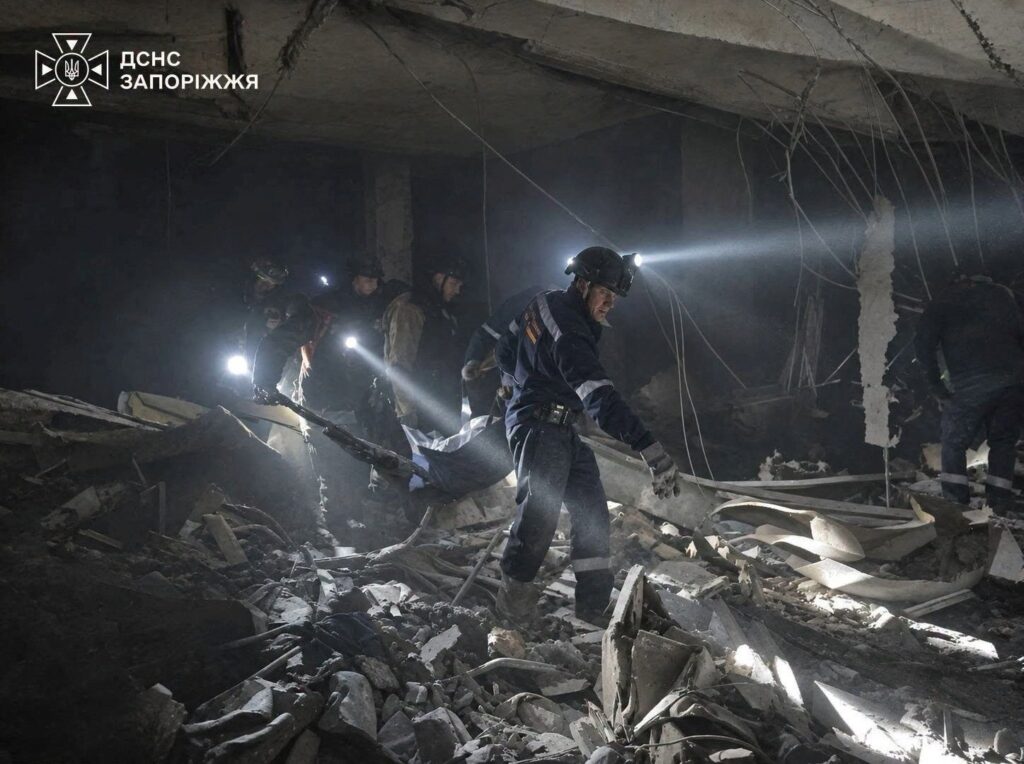
A deadly attack struck an aid hub in Zaporizhzhia, Ukraine, resulting in the deaths of 26 individuals. The strike, attributed to Russian forces, has intensified the already fraught situation in the region and sparked outrage internationally. Ukrainian President Volodymyr Zelenskyy condemned the attack as “vile” and underscored that it served as further evidence that Russia does not desire any form of de-escalation or peaceful resolution.
The Ukrainian government has been actively engaged in efforts to secure humanitarian aid for those affected by the ongoing conflict, and the Zaporizhzhia hub played a crucial role in distributing essential supplies. The strike disrupted these aid efforts, exacerbating the humanitarian crisis faced by countless civilians caught in the crossfire.
In response to this tragic event, the United States announced the initiation of new peace talks in an attempt to address the deepening conflict and to seek a political solution that would cease hostilities. The announcement reflects the international community’s concern over the escalating violence and the urgent need for dialogue.
These developments come against a backdrop of sustained conflict in eastern Ukraine, where fighting between Russian-backed separatists and Ukrainian forces has continued despite previous attempts at ceasefire agreements. This latest attack underscores the challenges in achieving lasting peace and highlights the ongoing risks faced by civilians and aid workers operating in conflict zones.
President Zelenskyy’s remarks stressed that the attack was not an isolated incident but part of a broader pattern of aggression aimed at undermining efforts towards peace. The international community has widely condemned the strike and called for increased support for Ukraine as it navigates a complex and dangerous landscape.
The new peace talks, supported by the US and other international actors, aim to bring together conflicting parties to negotiate terms that could lead to a durable ceasefire. However, skepticism remains about Russia’s willingness to engage constructively, given its recent military actions.
Meanwhile, humanitarian organizations continue to grapple with the difficult task of delivering aid under increasingly perilous conditions. The attack on the Zaporizhzhia hub has prompted calls for greater protection for aid convoys and heightened scrutiny of the security arrangements in conflict-affected areas.
As the global community watches closely, the tragic loss of life in Zaporizhzhia serves as a stark reminder of the severe human cost of the conflict. Efforts to revive peace talks are seen as critically important to prevent further bloodshed and to facilitate the safe passage of humanitarian assistance.
In summary, the Russian strike on the Ukrainian aid hub resulted in significant casualties and has further strained an already volatile situation. President Zelenskyy’s strong denunciation of the attack, coupled with the US announcement of new peace negotiations, highlights the urgent need for diplomatic engagement. The coming weeks will be pivotal in determining whether these initiatives can pave the way for de-escalation and renewed hope for peace in Ukraine.