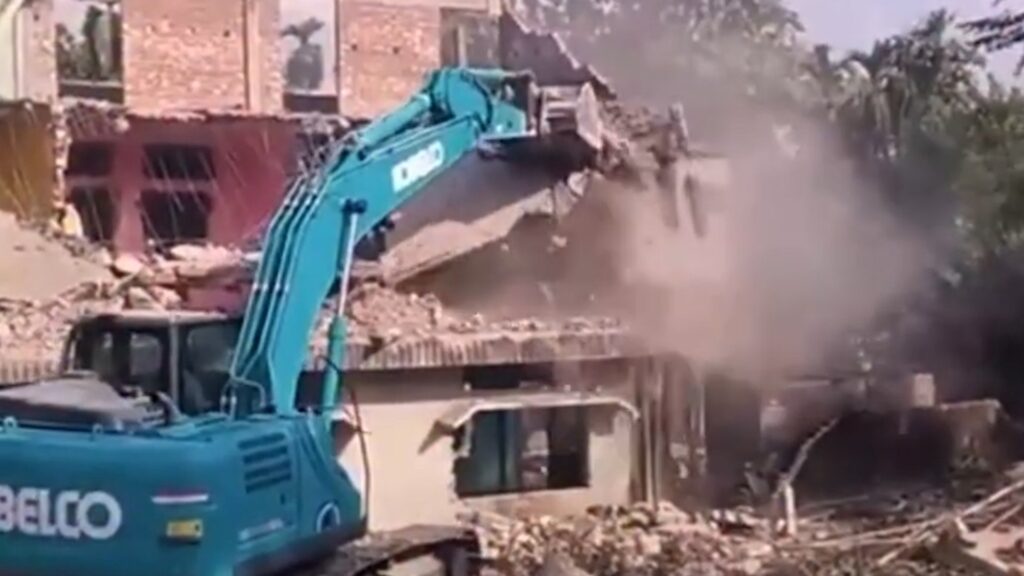
In a recent and distressing development, hundreds of homes in the Dhubri district of Assam, a northeastern state in India, have been bulldozed, leading to the displacement of thousands of residents. This large-scale demolition has sparked significant concern among affected communities and human rights organizations.
The operation targeted unauthorized settlements, which officials argue were built illegally on government land. However, many of those affected claim they have lived in these homes for years and were not informed of eviction or offered adequate rehabilitation alternatives.
Local authorities have stated that the demolitions are part of an effort to reclaim public land and improve urban planning standards in the region. The government has emphasized the importance of adhering to legal frameworks, but the speed and scale of the operation have drawn criticism.
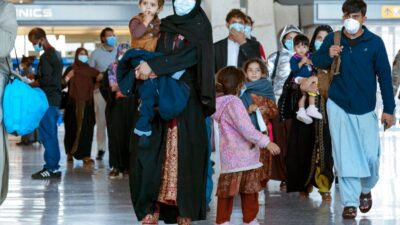
Residents recount instances of rushed evictions where belongings were destroyed and families left homeless without prior notice. There are also reports of children and elderly individuals among the displaced, highlighting the humanitarian angle of the crisis.
Human rights activists have called for a halt to the bulldozing activities and demand that the government provides proper rehabilitation, including housing, compensation, and access to basic amenities for those affected.
This incident adds to a broader pattern of disputes over land rights and urban development in India, where millions live in informal settlements vulnerable to eviction. Similar cases across the country have raised debates over the balance between development and human rights.
The Assam government has promised to review the situation and engage with community leaders to find solutions that minimize harm to families. Meanwhile, social organizations and local volunteers have stepped up to provide emergency aid, including food, shelter, and medical support.
This unfolding situation in Dhubri underscores the urgent need for policies that protect vulnerable populations while addressing legitimate urban growth challenges. Transparency, dialogue, and humane treatment remain essential to resolving such conflicts.
As India continues to urbanize at a rapid pace, incidents like the Assam home demolitions highlight the complex interplay between legal mandates, development goals, and the rights and dignity of residents. The coming weeks are critical in shaping the response and support systems for those displaced by the government’s actions in Assam.