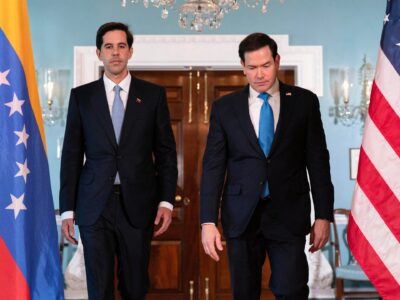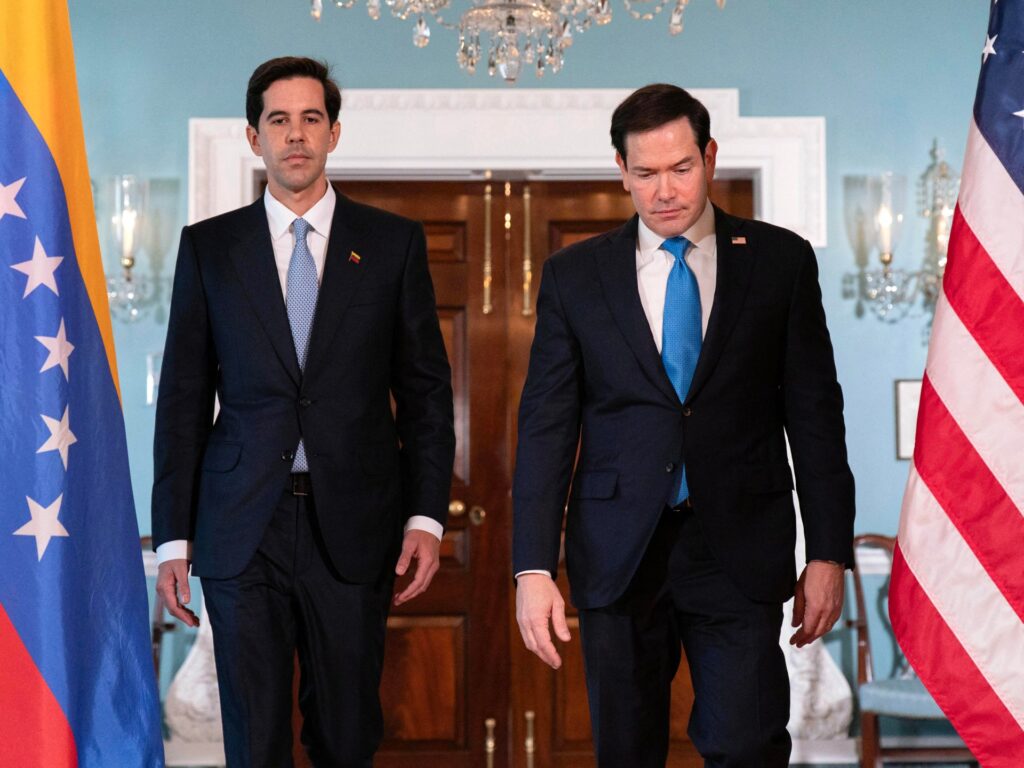
The United States has urged Venezuela to adopt a phased plan for a democratic transition amid ongoing political turbulence in the South American nation. This call for a structured approach to restoring democracy comes at a critical time, as a prominent opposition leader has made a notable return to Venezuela. This leader’s homecoming has sparked speculation and hints of criticism directed toward the Trump administration’s policies on Venezuela.
The political landscape in Venezuela remains fraught with tension, with the government facing intense pressure from both domestic opposition groups and the international community. The US government’s insistence on a phased democratic transition underscores the desire for a peaceful and orderly change in governance, aiming to avoid further conflict and instability.
The returning opposition leader is seen as a key figure in Venezuela’s political opposition. Their arrival on Venezuelan soil after a period abroad is significant, marking a potential turning point in the country’s opposition movement. While specifics of the leader’s statements remain cautiously framed, early comments suggest a critique of the previous US administration’s handling of Venezuela, particularly regarding sanctions and diplomatic strategy.
Experts believe that the leader’s return and the US appeal for democratic reforms are interconnected developments that could influence the trajectory of Venezuela’s political future. The phased plan advocated by the US involves incremental steps toward establishing free and fair elections, promoting the rule of law, and rebuilding democratic institutions.
Venezuela’s crisis has deep roots, stemming from economic collapse, widespread shortages, and political repression. These factors have led to mass migration and significant humanitarian concerns. The international community, including the US, has been actively involved in seeking solutions, often through condemnation of authoritarian practices and support for opposition groups.
With the opposition leader back in the country, there is renewed hope among Venezuelans and international observers for a more unified opposition front. This unity is seen as essential for negotiating with the current government and advancing democratic reforms.
The US call for a phased democratic transition highlights the importance of dialogue and cooperation among Venezuela’s diverse political factions. Rather than abrupt regime change, the phased approach emphasizes building consensus and institutional resilience to ensure lasting democratic governance.
While uncertainties remain, the combined pressure of internal political movements and external diplomatic engagement may pave the way for meaningful progress in Venezuela. The international community continues to watch closely, hopeful that Venezuela’s future will be shaped by peaceful, democratic processes rather than continued unrest and authoritarianism.