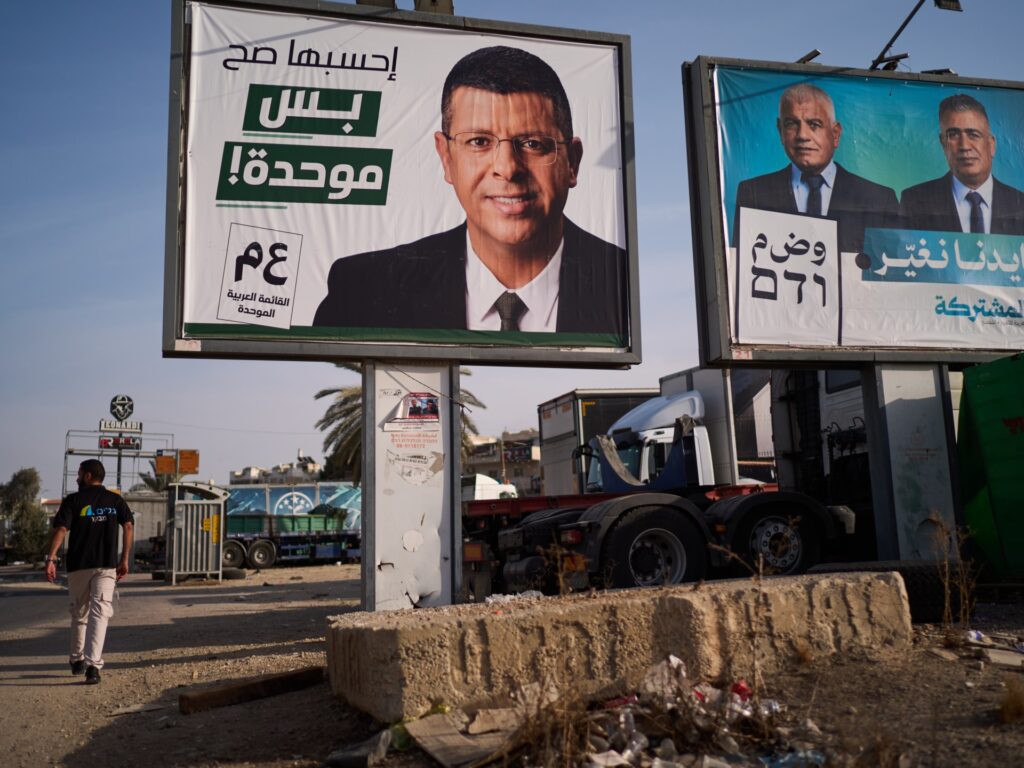
Israel’s political landscape remains in a state of flux as coalition talks continue with high stakes and intricate negotiations. Recent developments indicate a significant political shift, with Arab parties publicly backing former military chief Benny Gantz Eisenkot, a move that is reshaping potential alliances and power dynamics within the Knesset.
The backing of Eisenkot by Arab parties is seen as a strategic endorsement, reflecting a desire among these blocs to influence the formation of government and policy directions. This support could be pivotal in tipping the balance in favor of a coalition that prioritizes security, economic reforms, and social equality.
Political wrangling has intensified as various parties evaluate their positions based on this new alignment. The Arab parties’ decision emphasizes the ongoing fragmentation and complexity of Israeli politics, where coalition formations often require delicate balancing acts between diverse political ideologies and community interests.
This endorsement may strengthen Eisenkot’s negotiating power, giving him leverage over coalition terms. Meanwhile, other major blocs are reconsidering their approaches to negotiations, assessing the implications of a possible coalition that includes Arab parties in a more influential role.
Key issues under discussion include security policies, economic development plans, and approaches to addressing minority rights within Israel. The inclusion of Arab parties in government discussions signals a potential shift towards more inclusive governance, although challenges remain substantial.
The political environment is highly dynamic, with parties continuing to hold talks, form tentative agreements, and navigate internal divisions. Each bloc is weighing potential pathways to gain governmental power while managing voter expectations and coalition stability.
Observers note that the Arab parties’ support for Eisenkot could foster new political collaborations and potentially lead to a government with a broader base of support, possibly easing long-standing ethnic and political tensions. However, skepticism persists among some factions about the durability and coherence of such a coalition.
As negotiations advance, attention remains fixed on the responses from other major political players, including the Likud party and centrist factions, who are also crucial for forming a viable government. Their strategies and compromises will ultimately determine the shape and stability of the next Israeli administration.
In conclusion, the backing of Eisenkot by Arab parties marks a noteworthy chapter in Israel’s coalition talks, highlighting the ongoing complexities and cautious optimism within the political landscape. All parties involved are carefully navigating a path forward amidst competing interests and the hope for a functional and representative government in Israel.