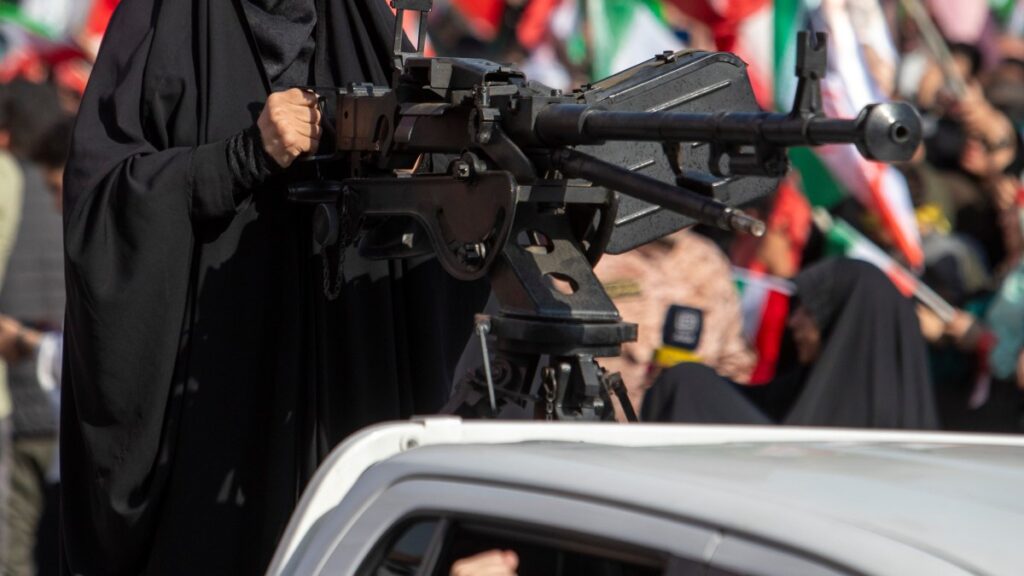
In light of continued tensions between Iran, the United States, and Israel, a renewed bombing campaign by the US and Israel against Iran would provoke a complex and multifaceted response from Tehran. Iran has, despite international pressures, maintained a significant offensive military capability including ballistic missiles, drone technology, and proxy militant groups throughout the region. However, the country’s civilian population and critical infrastructure remain vulnerable to airstrikes and other forms of attack.
If subjected to new bombings, Iran’s response would likely be shaped by several strategic and political considerations:
1. **Military Retaliation:** Iran would almost certainly seek to retaliate militarily. This could include launching missile or drone strikes against US bases in the Middle East, Israeli territory, or against facilities believed to be linked to the attacks. Iran’s missile arsenal and proxy forces, such as Hezbollah in Lebanon and various groups in Iraq and Syria, offer multiple channels for such responses.
2. **Proxy Warfare Escalation:** Iran could escalate its support to allied non-state actors and militias across the Middle East, potentially increasing harassment and attacks on Israeli and American interests in the region. This asymmetric warfare approach has been a key strategy for Iran to counterbalance conventional military weaknesses.
3. **Cyber and Hybrid Tactics:** Iran’s cyber capabilities could also be employed to target critical infrastructure or military systems of its adversaries, seeking to disrupt communications, energy grids, or other key assets.
4. **Domestic Mobilization and Political Messaging:** Tehran would likely use the bombing as a rallying point to consolidate internal political support. The Iranian government tends to portray external aggression as justification for crackdowns on dissent and increased national unity.
5. **Diplomatic Maneuvering:** On the international stage, Iran would seek to rally support from allies and sympathetic countries to condemn the attacks, possibly attempting to isolate the US and Israel diplomatically.
Despite these potential responses, Iran’s leadership would need to carefully weigh the risks of an all-out escalation. A large-scale conflict could devastate the Iranian economy and society, which are already strained by sanctions and domestic issues. Civilians remain particularly vulnerable, and the targeting of critical infrastructure could have severe humanitarian consequences.
In summary, Tehran’s response would likely combine military retaliation, proxy escalation, cyber tactics, and political mobilization, all while attempting to avoid a full-scale war that could be catastrophic for the country. The situation remains highly volatile, and any renewed bombing campaign would significantly heighten tensions in an already fragile region.