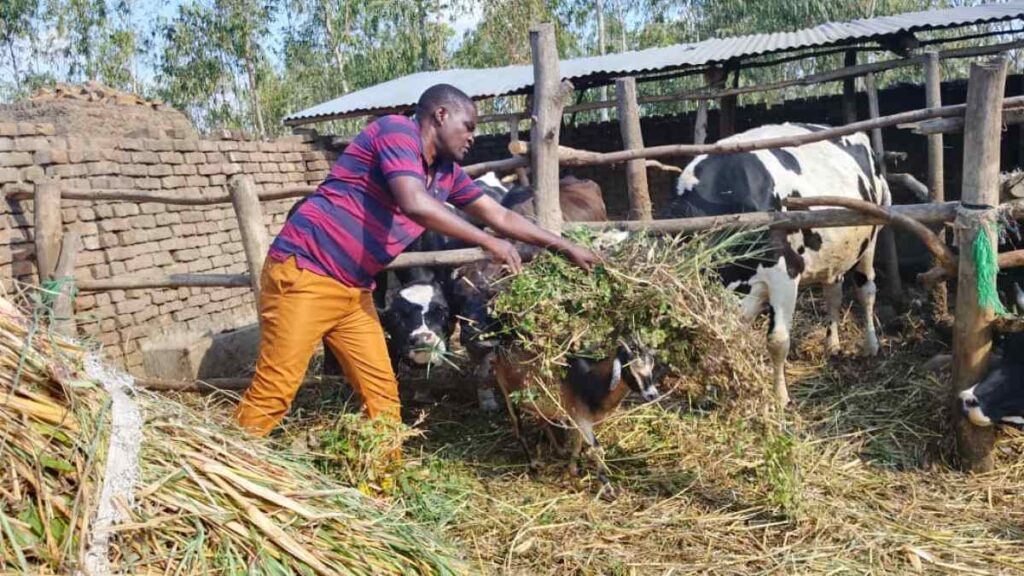
In Malawi, cattle farmers are facing unprecedented challenges as the intensifying El Niño weather phenomenon exacerbates drought conditions across the region. The prolonged dry spell has compelled many livestock owners to travel greater distances in search of water and grazing land for their cattle, markedly increasing the cost and effort involved in maintaining their herds.
Malawi, a country heavily reliant on agriculture and livestock for rural livelihoods, is grappling with severe water shortages due to insufficient rainfall during the El Niño event. This climatic condition disrupts traditional weather patterns, leading to heatwaves, reduced river flows, and parched pastures. As a result, the natural forage that cattle depend on has diminished dramatically, forcing farmers to move beyond their usual grazing areas.
The journey to find feed and water is not only physically demanding but also financially draining for families who are already economically vulnerable. Transport costs, supplementary feed purchases, and increased mortality rates among their animals have all contributed to shrinking incomes and growing food insecurity. Many farmers report that their typical walking routes to familiar grazing and watering spots have extended by several kilometers, sometimes requiring them to cross difficult terrain.
This struggle has broader implications beyond individual households. Livestock plays a crucial role in Malawi’s rural economy, serving not just as a food source but as a form of savings and investment. The deterioration of herd health due to prolonged drought can affect local markets, disrupt supply chains, and diminish the capacity of communities to recover after climatic shocks.
Government agencies and humanitarian organizations have taken notice of the crisis. Efforts include providing emergency water supplies, distributing feed supplements, and supporting drought-resilient farming practices. However, experts warn that without long-term climate adaptation strategies, such as water conservation infrastructure and improved drought forecasting, pastoralists will continue to face escalating hardships.
Researchers also emphasize the need for enhanced community awareness and education to help farmers better prepare for and adapt to changing climate conditions. Strengthening social safety nets and fostering diversified income sources are additional measures that could mitigate the impact of future droughts.
The situation in Malawi exemplifies the complex challenges climate change poses to traditional farming systems. As El Niño events become more frequent and severe, the resilience of pastoral communities will depend on coordinated efforts at local, national, and international levels. Supporting sustainable livestock management and investing in climate-smart agricultural technologies will be critical steps toward ensuring food security and economic stability for vulnerable farmers.
In summary, Malawi’s cattle farmers are now traveling longer distances to sustain their herds amidst worsening drought fueled by El Niño. The increased costs and labor required to care for their animals highlight the urgent need for comprehensive climate adaptation and support programs to protect livelihoods and foster resilience in the face of environmental change.