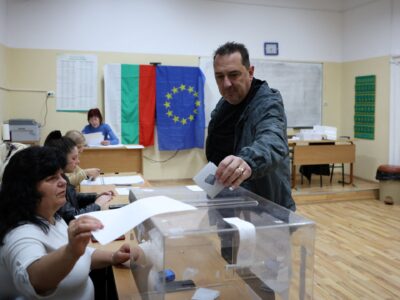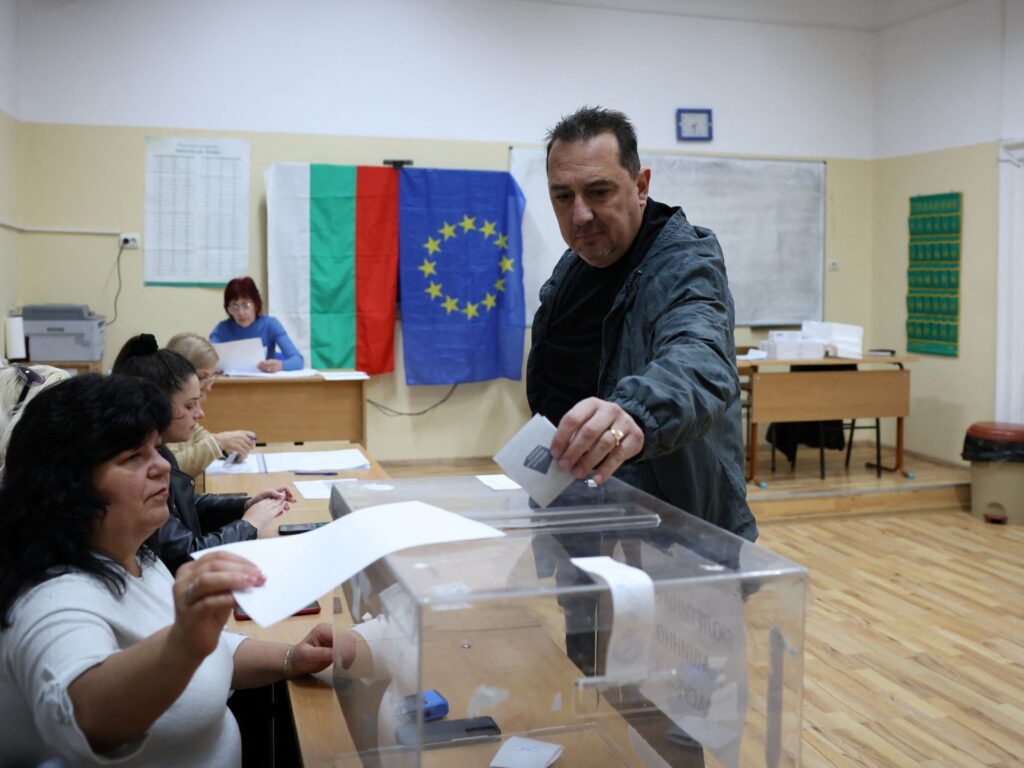
Bulgarians have headed to the polls for a critical presidential run-off election that unfolds against the backdrop of escalating tensions in the Black Sea region and ongoing economic difficulties within the country. This election is particularly significant as voters are not only deciding between presidential candidates but are also expressing their stance on national security and economic policies during a turbulent period.
The run-off follows what has been described as a fiercely contested campaign season, marked by intense debates over Bulgaria’s position on international conflicts, especially those impacting the Black Sea area. Recent attacks on commercial and cargo ships in these waters have raised concerns about regional stability and have placed security issues at the forefront of the electoral agenda.
Economic hardship remains a pressing issue for many Bulgarian citizens, who are facing rising costs, inflation, and lingering effects of global economic shifts. These factors have compounded public unease and influenced voter priorities in this election. Despite the high stakes, the election has been marked by record-low voter turnout, signaling possible voter apathy or dissatisfaction with the choices presented.
Political analysts suggest that the low engagement could reflect broader disillusionment with the political establishment or a sense of uncertainty about the country’s future direction amid external pressures. The candidates have had to navigate these complex issues, balancing promises of economic reform with assurances of strengthened national defense.
Security in the Black Sea has become a pivotal issue due to recent maritime attacks, which have heightened fears of broader conflicts spilling into the region. Bulgaria’s strategic position as a Black Sea nation makes it a key player in regional security discussions, and the new president is expected to play a crucial role in shaping foreign policy.
The run-off has thus become more than a mere political contest; it embodies the intersection of Bulgaria’s economic challenges and its geopolitical realities. Voters are weighing their options carefully, aware that the election outcome could influence Bulgaria’s international alignment and domestic policies for years to come.
Observers internationally are watching closely, aware that Bulgaria’s vote may signal broader trends in Eastern Europe, especially regarding how countries manage the complexities of security threats and economic resilience. As the results are awaited, the nation stands at a crossroads, with the potential for new leadership to steer Bulgaria through these trying times.
In conclusion, the Bulgarian presidential run-off election highlights the country’s multifaceted challenges amid Black Sea tensions and economic strain. The record-low turnout adds a layer of complexity, raising questions about public trust in the electoral process and future governance. How Bulgaria navigates these intertwined issues will be crucial for its stability and role in the region moving forward.