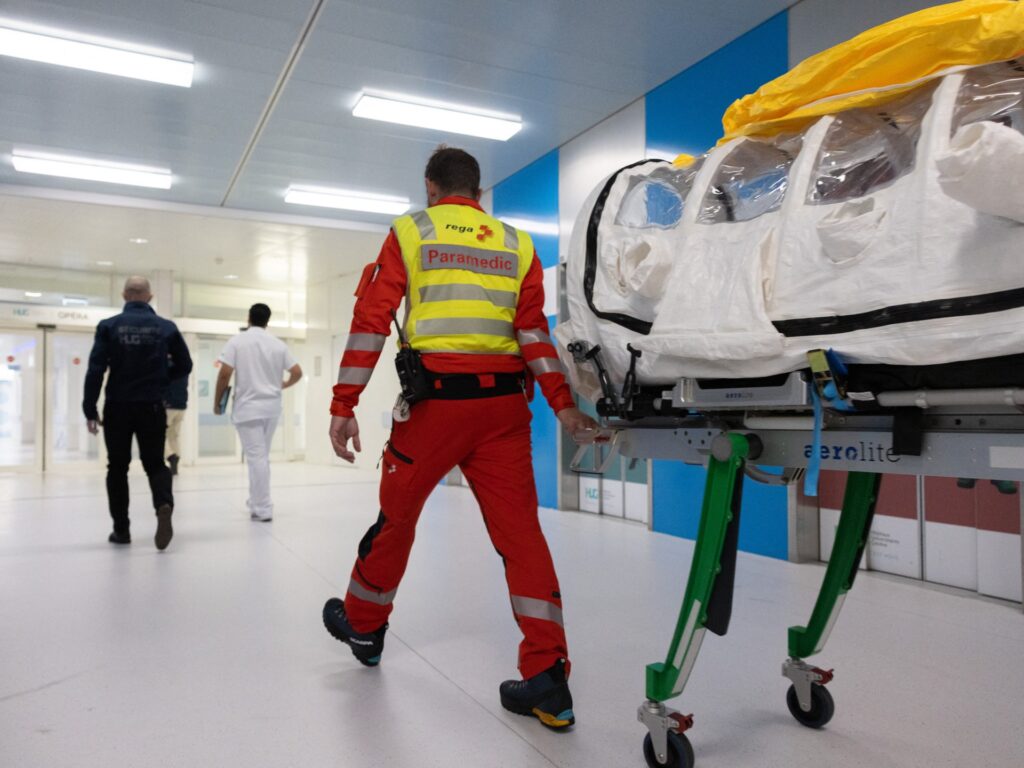
Health authorities in northeast Nigeria are currently investigating two suspected cases of Ebola virus disease. The two individuals, who have exhibited symptoms consistent with Ebola, have been promptly isolated to prevent any potential spread of the virus. Officials are actively conducting contact tracing to identify and monitor anyone who may have had close contact with the suspected patients. Laboratory tests are underway to confirm whether the individuals are infected with the Ebola virus.
The region’s health officials are working in close coordination with national and international health organizations to manage the situation effectively. The suspected cases come amid ongoing concerns about infectious diseases in the area and emphasize the need for vigilant surveillance and rapid response mechanisms to contain outbreaks.
Isolation of the suspected cases is a critical step taken to ensure that the virus, if confirmed, does not spread further within the community. Contact tracing involves identifying all individuals who may have come into contact with the suspected cases and monitoring them for symptoms of Ebola. This process is essential for early detection and timely intervention, which can save lives and prevent a larger outbreak.
Laboratory testing involves collecting samples from the suspected individuals and analyzing them for the presence of the Ebola virus. The results of these tests will guide the subsequent public health response, including treatment of the patients, heightened awareness campaigns in the community, and possibly quarantine measures.
Nigeria has faced infectious disease threats in the past but has developed a robust public health infrastructure to respond swiftly to such threats. The health authorities remain vigilant and are urging the public to stay informed through official channels and to immediately report any symptoms suggestive of Ebola.
The global health community continues to monitor the situation closely, as Ebola outbreaks have the potential to cause significant morbidity and mortality if not contained. Efforts are being made to ensure that healthcare workers are equipped with personal protective equipment and trained in infection prevention and control to mitigate risks.
Public health experts stress the importance of hygiene, safe burial practices, and community engagement in controlling the spread of Ebola. Information campaigns focusing on these aspects are expected to be ramped up while the investigation continues.
Residents in northeast Nigeria are advised to follow health guidelines, avoid contact with bodily fluids of sick individuals, and seek medical advice if they experience symptoms such as fever, headache, muscle pain, vomiting, diarrhea, or unexplained bleeding.
The outcome of the current investigation will be closely watched by health officials and the public alike, as early action is paramount in containing any potential outbreak and safeguarding community health in the region.