A legal battle has erupted as the District of Columbia and the state of Virginia jointly filed a lawsuit aiming to block the proposed construction of a triumphal arch dedicated to former President Donald Trump. The planned monument has ignited fierce opposition from local governments, which argue that the project could cause significant disruptions to traffic flow and mar historic vistas cherished by both residents and visitors.
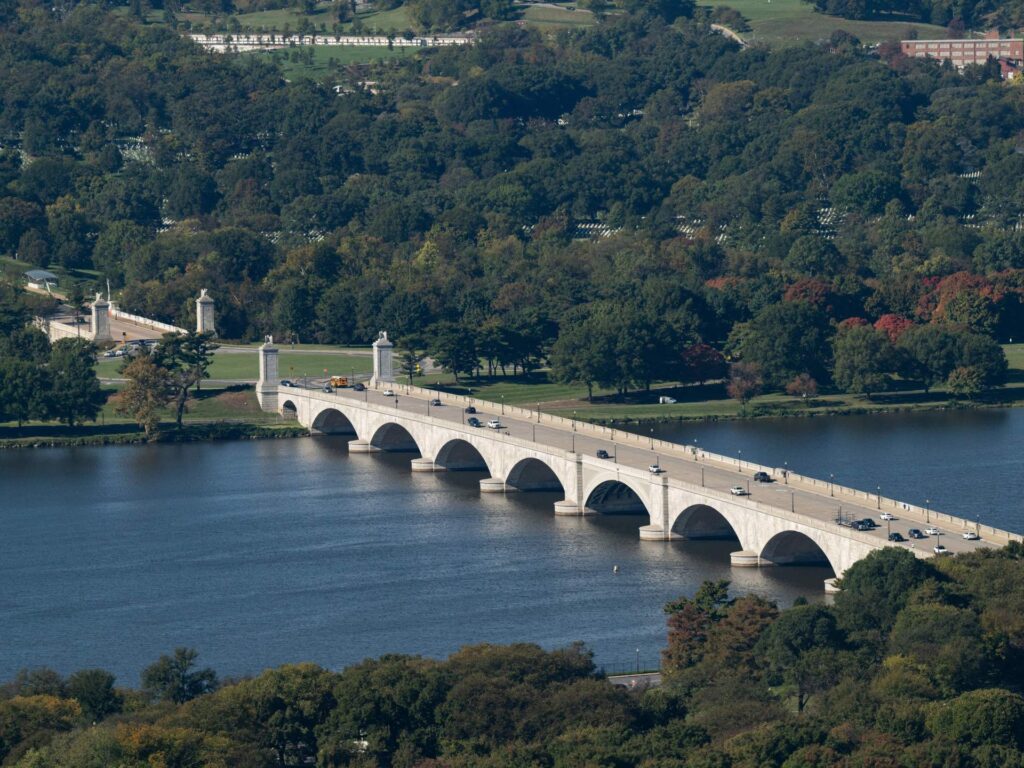
The proposal for the arch, envisioned as a grand architectural tribute to Trump’s presidential legacy, has brought to the forefront concerns over urban planning and preservation. The arch is planned to be placed in a location that sits at a sensitive nexus of traffic arteries and sightlines, which include views of other national landmarks.
Authorities in the District of Columbia and Virginia have raised alarms about the potential consequences of such a massive structure. Traffic congestion, already a challenge in the region, could worsen dramatically during the monument’s construction and after it is completed, potentially leading to longer commute times and disruptions for emergency services.
Historic preservation groups have also joined the opposition, emphasizing that the arch could obstruct or detract from the current scenic and historic views. Given the region’s rich history and the significance of its existing landmarks, many fear that the arch could overshadow or diminish the heritage of the area.
The lawsuit submitted by these governments argues that proper procedures and assessments regarding the environmental impact, traffic studies, and historical preservation have been inadequately conducted or overlooked. The plaintiffs demand a halt to the project until all concerns are sufficiently addressed and the community’s voice is truly heard.
Supporters of the arch argue that it would serve as a symbol of national pride and vindication for Trump’s supporters, potentially attracting tourism and economic benefits to the surrounding areas. However, local officials remain skeptical of these claims, highlighting that the cost to public infrastructure and the alteration of the city’s historic fabric pose risks that outweigh the benefits.
The dispute exemplifies the ongoing cultural and political divides in the United States, reflecting differing views on how public spaces should be utilized and the legacy of political figures commemorated. The case is expected to draw substantial public attention as it progresses through the courts.
For now, plans for the triumphal arch remain on hold, with the lawsuit casting a shadow on whether the monument will ever come to fruition. Both sides are preparing for a protracted legal battle, underscoring the complex interplay between development, history, and politics in the nation’s capital and its neighboring areas.