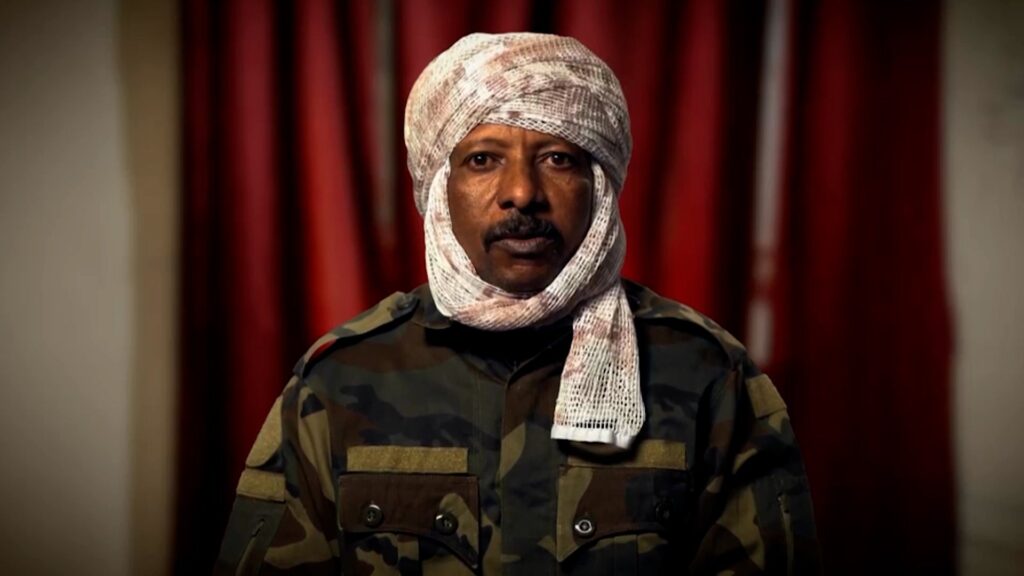
In a significant development within Sudan’s paramilitary landscape, a senior commander of the Rapid Support Forces (RSF), Siddiq Ander, has reportedly defected, leveling serious accusations against the group’s leadership. According to exclusive footage obtained by Al Jazeera, Ander described the RSF as a ‘purely family-based project,’ highlighting allegations of nepotism that have raised concerns about the internal governance and operational integrity of the RSF.
The RSF has been a powerful and influential force within Sudan, often playing a critical role in the country’s political and military affairs. However, Ander’s defection brings to light internal fractures and dissatisfaction among some of its senior ranks. His accusations suggest that leadership decisions within the RSF are heavily influenced by family ties rather than merit or broader representation.
Nepotism, as described by Ander, points to a concentration of power among family members of the leadership, which can undermine the organization’s cohesion and effectiveness. Such practices may alienate other members and create challenges in maintaining a unified command structure, especially in a context as complex as Sudan’s.
Analysts suggest that this defection could have far-reaching implications for the RSF and Sudan’s security dynamics. It exposes potential vulnerabilities within the group that opposition forces or rival factions might exploit. Additionally, it raises questions about the legitimacy and accountability of the RSF leadership, which has significant influence over Sudan’s security policies.
The footage reveals Ander articulating his frustrations with the current hierarchy, emphasizing that decisions are often made to benefit a select few rather than the organization or the nation. This narrative resonates with wider concerns about governance and corruption in Sudan’s military and political institutions.
As the RSF has been involved in various military campaigns and internal security operations, the leadership’s integrity is paramount to ensure discipline and adherence to national objectives. Ander’s public break with the RSF leadership may inspire other dissatisfied members to voice their concerns or consider defection, potentially weakening the group further.
This incident also invites scrutiny from international observers and human rights organizations monitoring Sudan’s ongoing conflicts and political transitions. Nepotism within armed groups can exacerbate instability and hinder efforts toward peace and reconciliation.
In summary, Siddiq Ander’s defection and accusations of nepotism against the RSF leadership expose significant challenges within one of Sudan’s most influential paramilitary groups. The ramifications of these developments remain to be seen, but they undoubtedly highlight the urgent need for transparency, reform, and accountability within the RSF to maintain its role in Sudan’s security architecture.