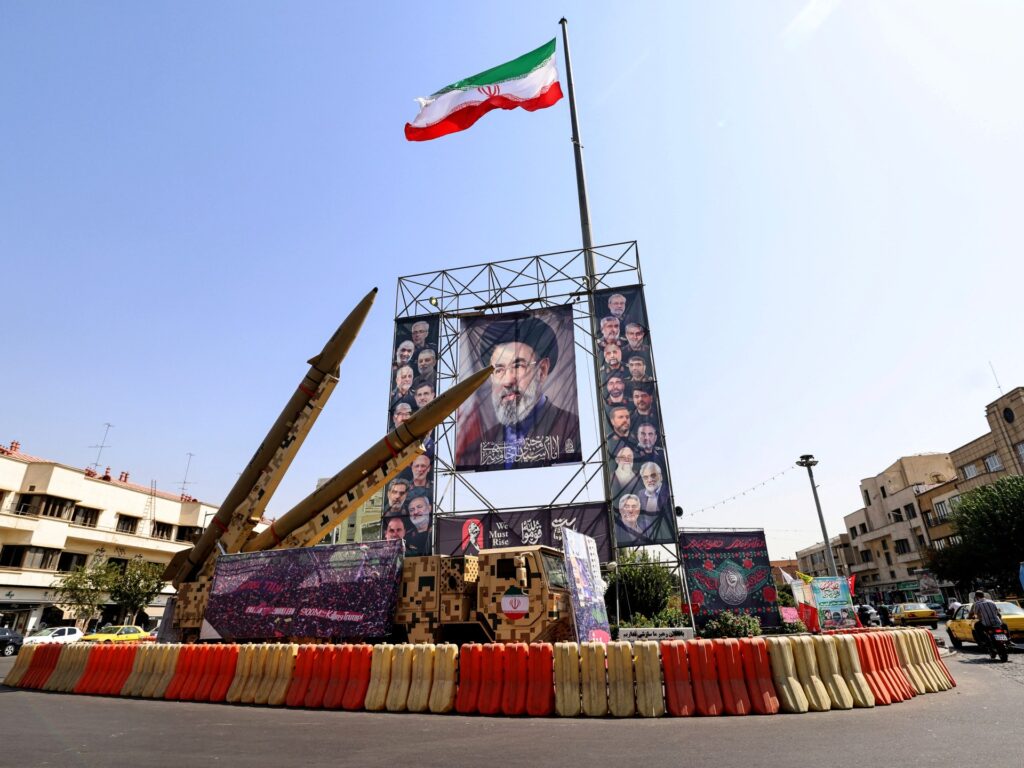
Tensions in the Middle East have escalated dramatically as Iran delivers a stern warning of an “earth-shattering blow” amidst ongoing conflict concerns. Tehran’s latest threat comes amid reports of drone attacks targeting Riyadh, Saudi Arabia, further intensifying fears of a broader regional war.
The Islamic Revolutionary Guard Corps (IRGC) announced it had struck four oil tankers in the strategic Strait of Hormuz, a critical maritime chokepoint for global oil shipments. This attack marks a significant escalation in hostile actions in the region, highlighting the potential for increased military confrontations.
Against this backdrop, former U.S. President Donald Trump has commented on the situation, asserting that any war involving Iran “will get wrapped up soon.” His statement, however, contrasts sharply with the rapidly escalating tensions on the ground.
The Strait of Hormuz has long been a focal point in Iran-U.S. and Iran-Saudi tensions due to its importance in global energy trade. The IRGC’s reported strikes on four tankers amidst these already volatile times reveal a dangerous phase in Middle Eastern geopolitics.
Riyadh’s targeted drone attacks indicate an extension of conflict efforts beyond naval engagements, suggesting a multifaceted approach by Tehran to exert pressure on Saudi Arabia and its allies.
The international community watches closely as Tehran’s warning raises concerns over a broader military conflict that could have far-reaching implications for regional stability and global oil markets.
Diplomatic efforts to de-escalate the tensions seem urgent now more than ever, as the risk of a wider war threatens the fragile peace in the Gulf region.
This live conflict update underlines the critical nature of current developments and the urgent need for dialogue and reconciliation to prevent further devastation.