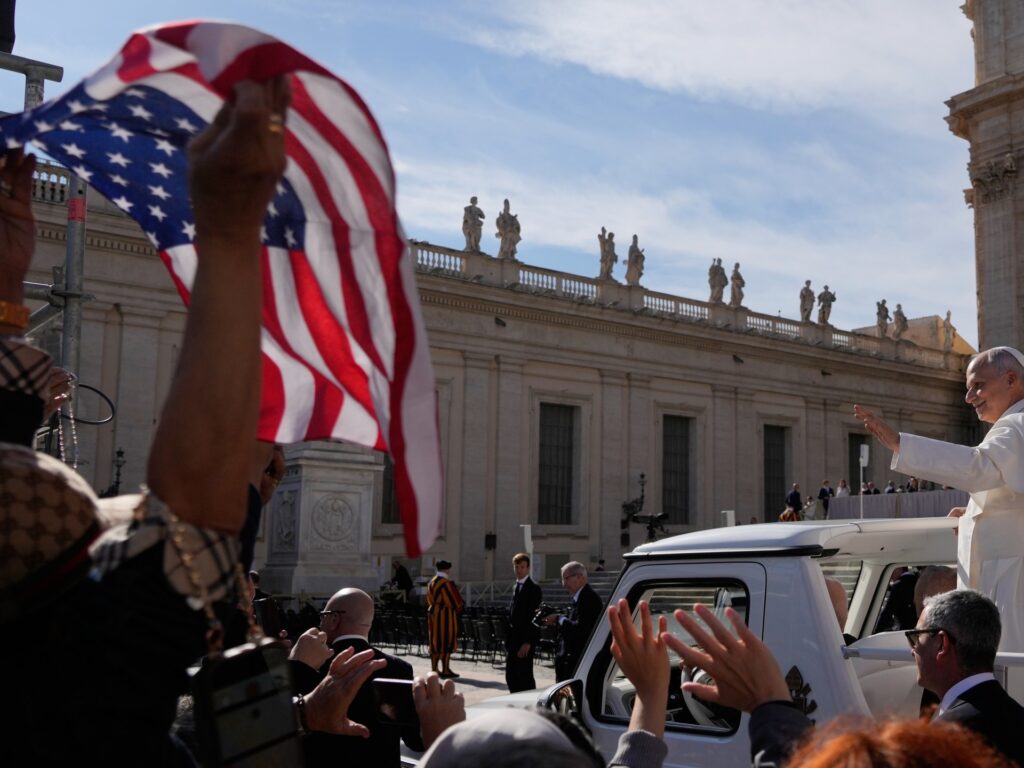
For the first time in history, Pope Leo has cast a vote in a United States general election, marking a significant milestone for the Vatican and the Catholic Church. The Vatican confirmed that the Pope submitted a mail-in ballot in his native city of Chicago, participating in the upcoming November 3 midterm elections.
This unprecedented action highlights the Pope’s engagement with democratic processes outside the religious sphere and serves as an example for Catholics worldwide to participate actively in civic duties. Traditionally, popes have remained neutral on political matters, focusing instead on spiritual leadership and moral guidance.
The decision to vote reflects Pope Leo’s personal connection to his birthplace and his interest in the outcomes of the midterm elections, which are critical for the direction of U.S. policies. Midterm elections typically influence the composition of Congress, impacting legislation on social, economic, and international issues.
By submitting a mail-in ballot, the Pope adhered to the regulations and practices established for absentee voting, demonstrating respect for the electoral system. This act could inspire other global religious leaders to engage with societal governance in new ways.
The Vatican has not announced the details of Pope Leo’s vote, maintaining the confidentiality customary in democratic voting practices. However, this participation in the electoral process symbolizes an acknowledgment of the importance of civic responsibility.
Observers note that this initiative may strengthen the relationship between the Catholic Church and the U.S., emphasizing shared values such as democracy, justice, and human rights. It also underscores the evolving role of religious figures in addressing contemporary global challenges.
Pope Leo’s choice to vote could motivate discussions among the faithful about the intersection of faith and politics, encouraging responsible citizenship aligned with ethical principles. It serves as a reminder that religious leaders can contribute to societal well-being beyond spiritual matters.
This milestone in the history of the papacy invites reflection on how religious institutions can adapt and participate more fully in democratic societies while maintaining their doctrinal integrity. Pope Leo’s action is a testament to the potential harmony between faith and civic engagement, inspiring a new chapter of involvement and dialogue in the international arena.