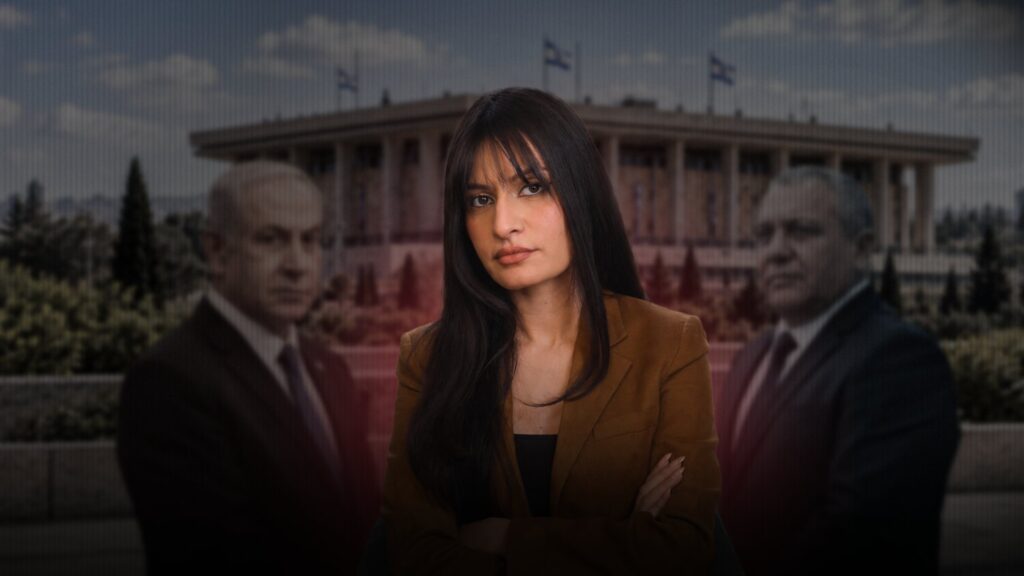
The recent elections in Israel have culminated in a scenario where both Prime Minister Benjamin Netanyahu and former military chief Gadi Eisenkot are claiming victory, setting the stage for political intrigue and uncertainty in the country. This complex outcome necessitates a close examination of the election results, the political landscape, and potential future developments.
Prime Minister Benjamin Netanyahu, a seasoned leader with a firm grip on Israeli politics, has long been a dominant figure. His claim to victory suggests that his party or coalition has secured enough support to assert a mandate. Netanyahu’s leadership style and policy priorities, often centered around security concerns and conservative governance, have shaped Israel’s domestic and international posture.
Conversely, Gadi Eisenkot, the former Chief of Staff of the Israel Defense Forces, has entered the political arena, presenting himself as a fresh alternative with potentially different approaches to security and governance. Eisenkot’s claim to victory indicates that a significant portion of the electorate is seeking change or a new direction.
The dual claims to victory complicate the immediate political future. The upcoming period will likely involve intense negotiations, coalition-building efforts, and perhaps legal or parliamentary contests to determine the legitimacy and feasibility of each claim. The Israeli parliamentary system, characterized by multiple parties and the necessity of coalition governments, often leads to such complexities.
Observers note the potential impact on policy, especially regarding security, domestic reforms, and foreign relations. Netanyahu’s return could signal continuity in certain policies, while Eisenkot’s success might introduce reforms or shifts in strategy. The dynamics within the Knesset (Israel’s parliament) will be pivotal in shaping the government’s direction.
Public reaction has been mixed, reflecting the nation’s diverse political and social fabric. Some citizens express confidence in Netanyahu’s experienced leadership, while others are optimistic about Eisenkot’s military background translating into effective governance. Minority groups and political activists watch closely, assessing how the election outcomes might affect civil rights and societal inclusion.
Internationally, allies and adversaries of Israel are monitoring developments with interest. The United States, European nations, and regional players will recalibrate their diplomatic strategies depending on who consolidates power.
In practical terms, the election stalemate highlights the challenges in Israel’s political system, emphasizing the need for negotiation and compromise. The next steps will involve formal coalition talks, possible involvement of the President of Israel in mandate distribution, and public communication to manage expectations.
Security remains a paramount concern. Both Netanyahu and Eisenkot bring extensive defense experience, which could lead to a pragmatic approach to ongoing conflicts and peace efforts.
Economically, the uncertainty might affect markets and investor confidence, but strong institutions and resilient economy provide a buffer.
As Israel navigates these challenging post-election waters, finding a stable and effective government becomes critical for the country’s future stability and prosperity. The coming weeks promise significant political drama and potential shifts in the country’s policy and governance landscape, reflecting the electorate’s divided yet engaged voice in shaping Israel’s democracy.