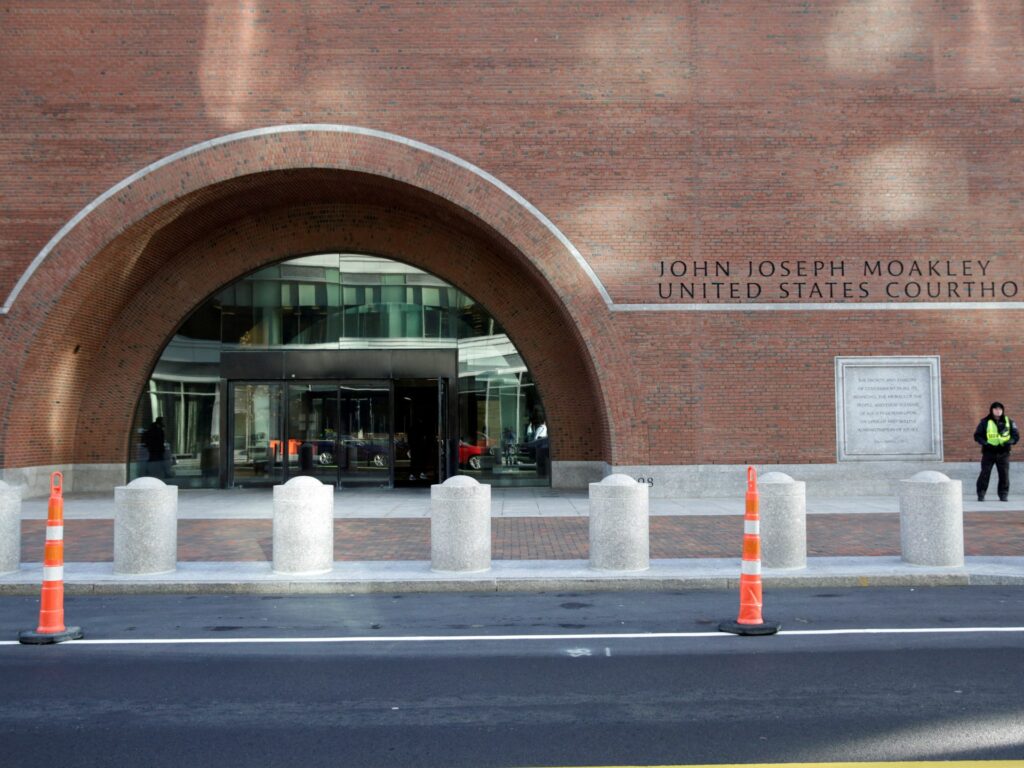
A US jury has convicted Eric Nshimiye, a Rwandan American, of providing false testimony about his involvement in the Rwandan genocide of 1994. The trial brought to light competing witness accounts regarding Nshimiye’s whereabouts and activities during April 1994, a period marked by the mass killing of ethnic Tutsis and moderate Hutus in Rwanda.
The genocide, which lasted approximately 100 days, resulted in the deaths of an estimated 800,000 people and remains one of the most tragic chapters of recent history. Nshimiye, who immigrated to the United States years later, was accused of providing misleading information during his immigration process, denying any participation or complicity in the genocide.
Throughout the trial, prosecution and defense witnesses presented conflicting narratives. Some witnesses placed Nshimiye at locations where planning and execution of violent acts were taking place, while others claimed he was elsewhere or not involved. Despite these discrepancies, the jury ultimately found sufficient evidence to convict him of lying about his past.
The conviction underscores the ongoing efforts by international and domestic courts to hold individuals accountable for war crimes and crimes against humanity committed during the Rwandan genocide. It also highlights the challenges in prosecuting such cases due to the passage of time, availability of reliable witness testimony, and geopolitical complexities.
This verdict serves as a reminder of the importance of truth and justice in the aftermath of atrocities. Survivors and families of victims continue to seek acknowledgment and accountability for the horrors they endured. Governments and legal institutions worldwide face growing pressure to ensure that perpetrators are not shielded by relocation or time.
Eric Nshimiye’s case is part of a broader push to scrutinize and prosecute those who may have used false identities or distorted their histories to escape justice. The US judiciary’s stance reflects a commitment to investigating human rights abuses even decades after they occur.
As the international community commemorates the Rwandan genocide annually, stories like that of Nshimiye remind us of the lasting impact of such events and the ongoing need for vigilance against denial and impunity. The trial and conviction contribute to the historical record and provide a measure of closure for those seeking justice.
Legal experts note that convictions in cases stemming from the genocide are complex, often relying heavily on eyewitness testimony and documentation that can be difficult to obtain. This makes the Nshimiye conviction particularly significant, signaling that justice can prevail even in challenging circumstances.
The US government’s involvement in investigating and prosecuting genocide-related cases reflects its broader commitment to human rights and international law. It also sends a strong message to other individuals who might consider hiding their past actions to secure residence or citizenship abroad.
Family members of victims have expressed mixed feelings about the conviction—relief at a measure of justice, tempered by the painful recall of past atrocities. Meanwhile, human rights organizations have applauded the ruling as a victory for justice and as a deterrent against future human rights violations.
Experts emphasize that while no single conviction can erase the scars of genocide, each legal action contributes to a global culture of accountability. This helps prevent recurrence and honors the memory of those lost.
Looking ahead, investigators and prosecutors remain vigilant for similar cases, signaling continued scrutiny of individuals with potential links to atrocities. The Nshimiye case may inspire others to come forward or reinforce the importance of honest disclosure in immigration and asylum processes.
In sum, the US jury’s conviction of Eric Nshimiye marks a significant step in the pursuit of justice for the Rwandan genocide. It reveals enduring commitments to uncovering truth, prosecuting war crimes, and supporting victims’ rights—even decades after the events transpired.