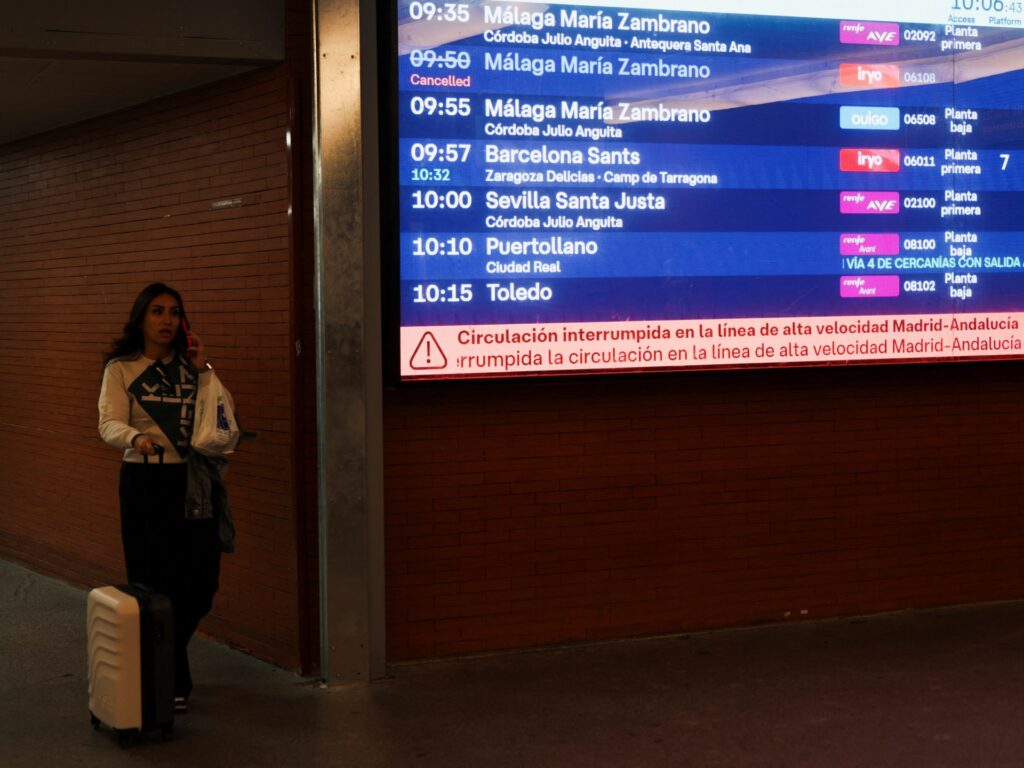
A devastating train collision occurred near Urda in the Toledo province, south of Madrid, resulting in the deaths of at least 30 people. The accident took place on the high-speed rail line connecting Madrid, the capital of Spain, with the southern city of Seville, known for its rapid and frequent train services.
The incident has sent shockwaves through the region, as authorities scramble to respond to the tragedy and provide aid to survivors. Emergency services quickly arrived at the scene to conduct rescue operations and transport the injured to nearby hospitals. The exact cause of the crash is still under investigation, but preliminary reports suggest a potential failure in communication or signaling.
This collision is one of the deadliest in recent Spanish rail history. Spain’s vast network of high-speed trains is generally considered safe and efficient, but this accident highlights the critical importance of stringent safety measures and infrastructure maintenance.
Local government officials have expressed their condolences to the families of the victims and assured the public that a thorough inquiry will be conducted to prevent such disasters in the future. Transport authorities have temporarily suspended services on this major route to facilitate investigation and repairs.
The high-speed rail line between Madrid and Seville is a vital connection for business and tourism, linking two of Spain’s most important cities. The disruption caused by the accident will likely affect thousands of passengers and the broader economy until normal operations resume.
Witnesses at the scene described a chaotic and heartbreaking situation, with trains derailed and debris scattered across the tracks. Emergency responders worked tirelessly under difficult conditions to save lives and recover bodies.
In response to the tragedy, national leaders have pledged increased investment in railway safety systems and enhanced training for rail personnel. Public forums and discussions about improving transportation safety are expected in the coming weeks.
This incident serves as a somber reminder of the challenges and risks associated with modern transportation infrastructure, despite technological advancements. The focus now is on supporting the affected families, understanding the root causes, and implementing measures to restore confidence in Spain’s high-speed rail network.
As investigations proceed, updates will be provided by the authorities. Meanwhile, communities around the affected area mourn the loss of life and call for greater vigilance and safety in the operation of trains across the country.