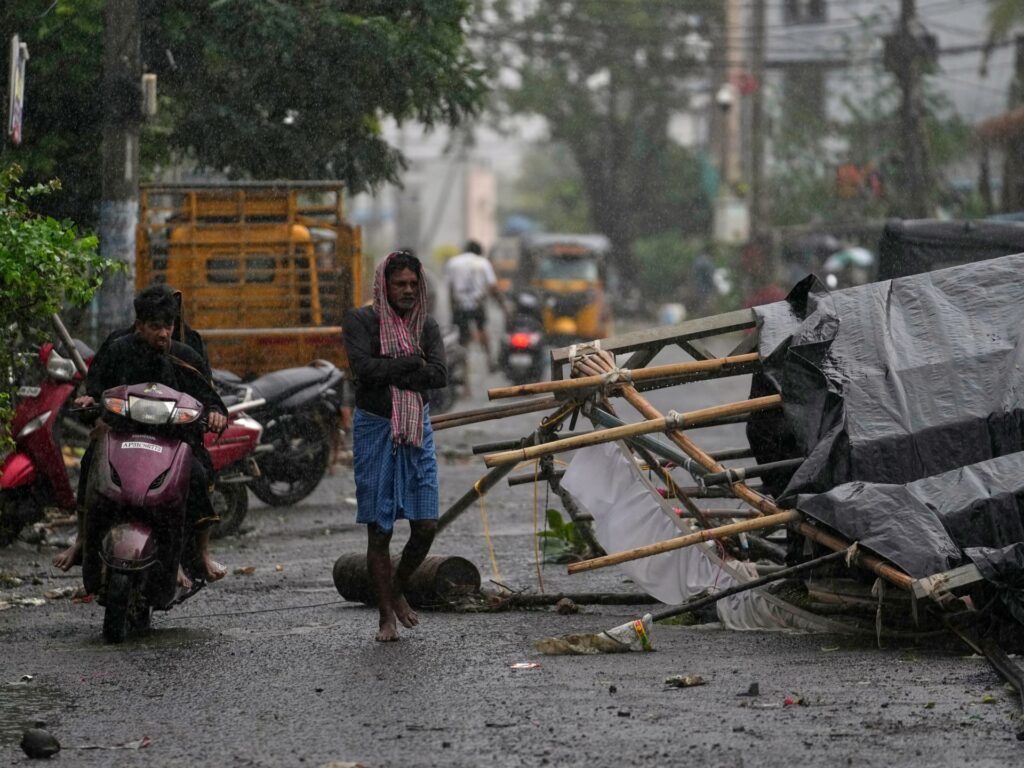
Cyclone Arnab has wreaked havoc in southern India, claiming the lives of at least three individuals and prompting authorities to evacuate around 180,000 people to safer locations. The severe storm led to widespread flooding, severely disrupting daily life and essential services in the affected areas.
As the cyclone made landfall, heavy rainfall and strong winds battered the region, causing significant damage to infrastructure. Roads were submerged, and numerous homes were flooded, forcing thousands of residents to seek emergency shelter. The state government swiftly responded by initiating large-scale evacuation efforts to protect lives.
The flooding caused by Cyclone Arnab has also led to major disruptions in transportation networks. Multiple flights were canceled or delayed, and train schedules were thrown into chaos as waterlogged tracks and debris impeded travel. Authorities have urged people to avoid non-essential travel until conditions improve.
Emergency services and disaster response teams are working around the clock to provide aid and restore normalcy. Shelters have been set up for displaced residents, and relief materials such as food, water, and medical supplies are being distributed.
Weather officials have warned that Cyclone Arnab may continue to cause intense rainfall over the next few days, increasing the risk of further flooding and landslides. Residents in vulnerable areas are advised to stay alert and follow guidelines issued by local authorities.
The government has committed to rebuilding and repairing the damage caused by the cyclone, with an emphasis on strengthening infrastructure to better withstand future storms. Efforts to restore electricity and communication lines are ongoing.
Cyclone Arnab serves as a stark reminder of the climatic challenges faced by the region, highlighting the urgent need for effective disaster preparedness and climate resilience strategies. As rescue and relief operations persist, communities remain hopeful for a swift recovery from this devastating natural disaster.