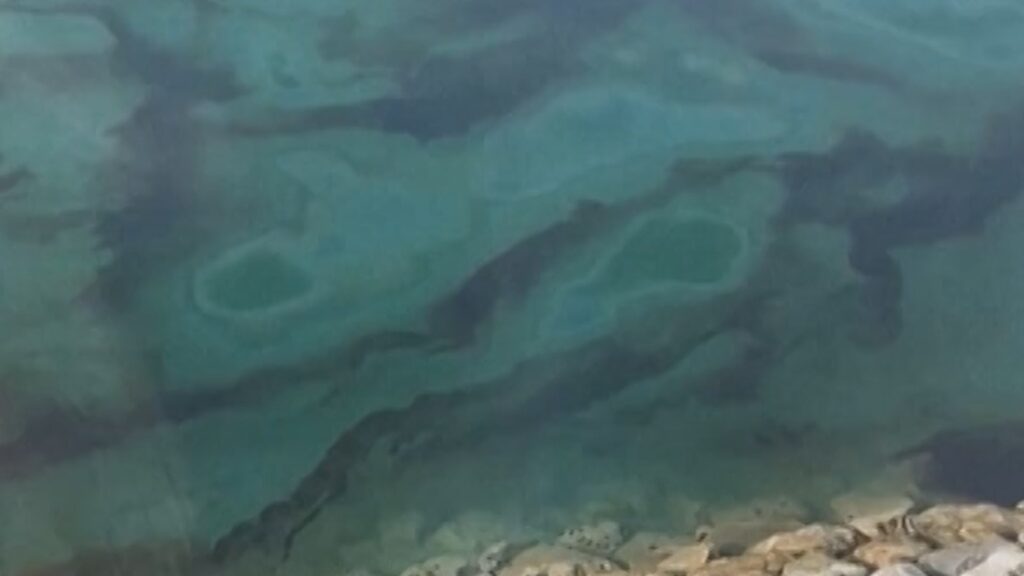
An environmental incident has unfolded in the Gulf region as an oil spill originating from a damaged tanker in the Strait of Hormuz has forced the closure of several beaches in the United Arab Emirates (UAE). The spill poses a significant threat to the marine and coastal ecosystems, as well as local tourism and livelihoods dependent on the pristine beaches.
The tanker, which suffered damage in the Strait of Hormuz—a strategic waterway known for heavy maritime traffic and significant oil shipping routes—released a considerable amount of oil into the surrounding waters. The spill was carried by currents towards the UAE coastline, where contamination was confirmed on multiple beaches.
In response, UAE authorities have closed the affected beaches to the public as a precautionary measure to safeguard health and safety. Cleanup operations have been swiftly mobilized, involving environmental agencies and specialized responders equipped with oil containment and removal gear. The goal is to limit environmental damage and restore the beaches as soon as possible.
The incident highlights ongoing environmental risks associated with oil transportation in one of the world’s most crucial maritime corridors. The Strait of Hormuz sees a significant volume of the world’s oil exports daily, making any spill potentially catastrophic.
Environmental experts are warning that the consequences could include harm to marine life, pollution of coastal habitats, and disruption to the fishing industry. The oil spill threatens the populations of fish, seabirds, and other wildlife, which rely on clean shores for breeding and feeding.
Tourism in the UAE, a vital economic sector, may also be impacted as the beach closures deter visitors. Local businesses dependent on beachgoers for income have expressed concern over the potential economic fallout.
Authorities have assured that all necessary measures are being taken to manage the situation and prevent further spread of the oil. Surveillance and monitoring of the spill’s extent continue, with international cooperation likely needed to address the broader implications.
This event serves as a reminder of the environmental vulnerabilities faced in the Gulf region and underscores the need for rigorous safety standards and emergency preparedness in maritime oil transportation.
Updates on the cleanup progress, environmental impact assessments, and reopening schedules for the affected beaches will be closely monitored by residents and environmental stakeholders alike. The UAE government is expected to provide ongoing reports and support throughout the restoration efforts.
As the cleanup continues, coordinated efforts among governmental bodies, environmental organizations, and local communities will be essential to mitigate the spill’s effects and restore the coastal environment to its natural state.