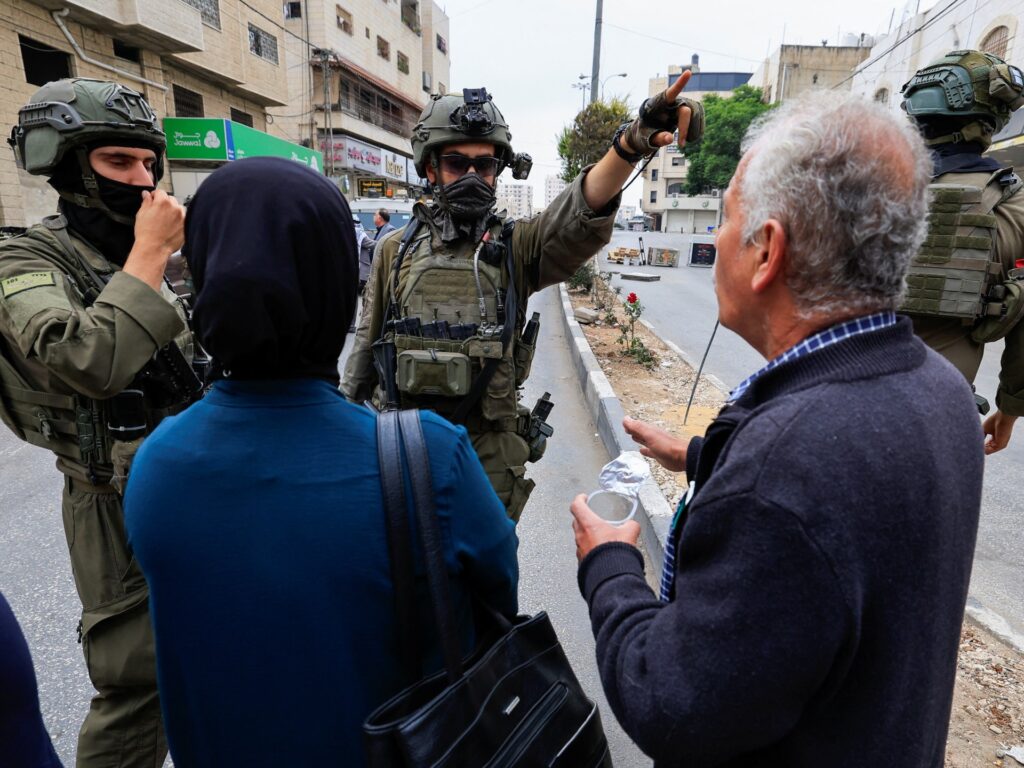
Israeli security forces have sustained their operations in the West Bank, focusing on raids in various areas including Hebron, as the lockdown in the city enters its sixth day. These raids are part of a broader security campaign aimed at targeting militant activities, but they have drawn significant international attention and concern.
The city of Hebron, a flashpoint in the Israeli-Palestinian conflict, remains under strict restrictions, with checkpoints and curfews severely limiting movement. Residents have described heightened tensions, disruptions to daily life, and challenges in accessing essential services due to the ongoing lockdown measures instituted by Israeli authorities.
In response to the escalating situation, a United Nations agency has voiced ‘grave concern’ about the impact of the prolonged lockdown and raids on the civilian population in Hebron. The agency highlighted the dangers of continued military actions exacerbating humanitarian conditions and potentially triggering further violence.
The UN agency has drawn attention to the potential for the current situation to echo previous conflicts, specifically referencing the ‘Iron Wall’ operation conducted in 2025, which was marked by significant military engagement and civilian hardship. This comparison underscores fears that the situation could spiral into a larger, more protracted conflict if not addressed urgently.
Human rights organizations have similarly condemned the raids and lockdown, citing reports of property damage, arbitrary arrests, and violations of international law. They have called for restraint from all parties and urged renewed efforts for dialogue and peaceful resolution.
Israeli officials maintain that the raids are necessary for national security, emphasizing their focus on dismantling militant networks that they say pose threats to both Israeli and Palestinian civilians. They assert that these operations are targeted and that efforts are made to minimize civilian harm.
The persistent lockdown and military presence have also hindered economic activities in Hebron, affecting markets, schools, and healthcare facilities. Local leaders have appealed for international intervention to help ease tensions and facilitate humanitarian assistance.
Analysts warn that without de-escalation, the continued raids and lockdown could deepen mistrust and instability in the region, complicating efforts for peace negotiations. The international community faces increasing pressure to mediate and support initiatives aimed at securing a lasting ceasefire and addressing underlying grievances.
As the situation in Hebron remains fragile, observers emphasize the urgent need for dialogue between Israeli authorities and Palestinian representatives to prevent further deterioration. The coming days are critical in determining whether the cycle of raids and lockdowns can be broken to allow for a return to relative calm in this volatile region.