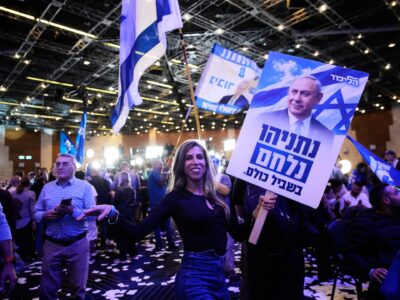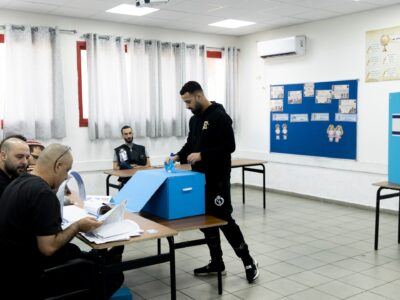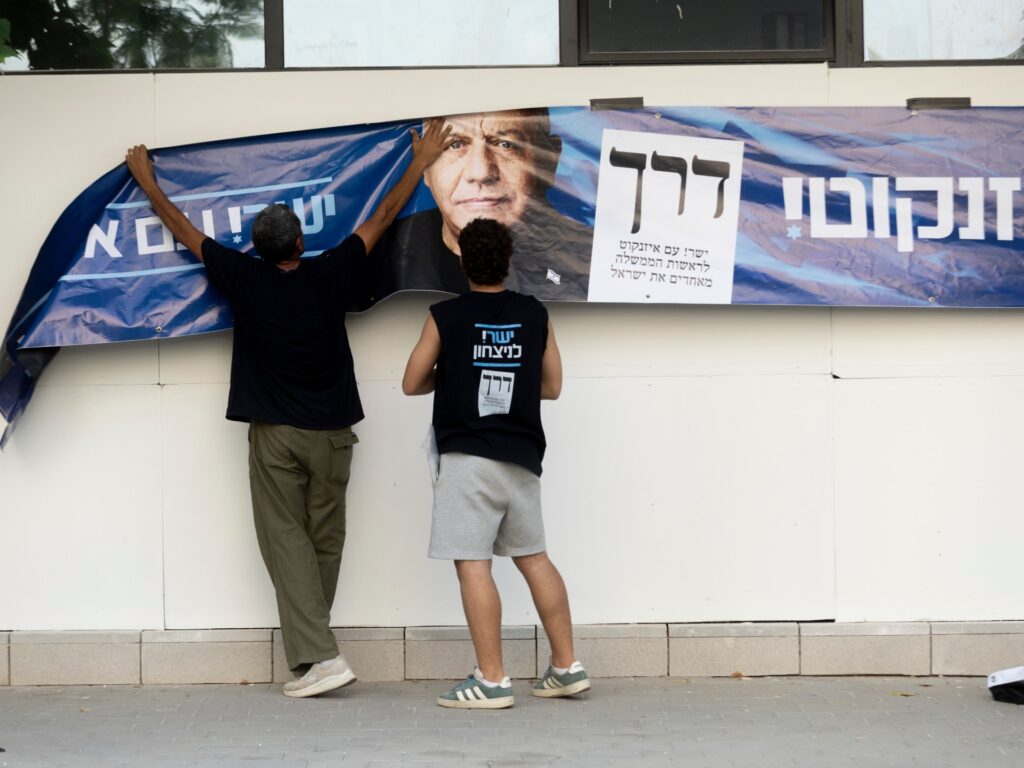
The recent Israeli elections have concluded without a decisive winner, leaving the political landscape uncertain and raising questions about the next steps for forming a government. As preliminary results indicate no single party or coalition has secured a clear majority, the country faces a potentially prolonged period of coalition negotiations.
In Israel’s parliamentary system, the President plays a crucial role in the aftermath of elections. President Isaac Herzog will evaluate the election outcomes and determine which candidate appears best positioned to successfully form a stable government. This decision is based on consultations with party leaders and assesses the ability to gather a majority coalition within the Knesset, Israel’s parliament.
The stakes are high, as Israel is confronting numerous internal and external challenges that require a functional and decisive government. The extended coalition talks could impact policy areas such as security, economy, and social issues, with potential implications for domestic stability and international relations.
Recent elections underscore the fragmentation in Israel’s political spectrum, with multiple parties representing a range of ideologies from right to left and religious to secular. This fragmentation has historically made it difficult to form majority governments without broad consensus and compromise.
Once President Herzog makes his decision, the designated candidate will have a limited period—usually up to 28 days, extendable by a further 14 days—to assemble a coalition. Failure to do so could lead to the President giving another candidate a chance or, ultimately, to new elections being called.
Political analysts emphasize the importance of dialogue and negotiation in this period. Coalition building often involves complex deals and concessions among diverse parties, reflecting the multifaceted nature of Israeli society.
The uncertainty following the election results is a reminder of the dynamic and often unpredictable nature of democratic processes. Citizens and observers alike are closely monitoring developments as Israel navigates this critical juncture.
In summary, with no clear winner projected, Israel enters a phase of intensive political negotiation. President Herzog’s role in selecting the candidate best suited to form a government will be pivotal in shaping the country’s immediate future. The outcome will determine not only the composition of the next government but also Israel’s policy direction amid ongoing regional and global challenges.