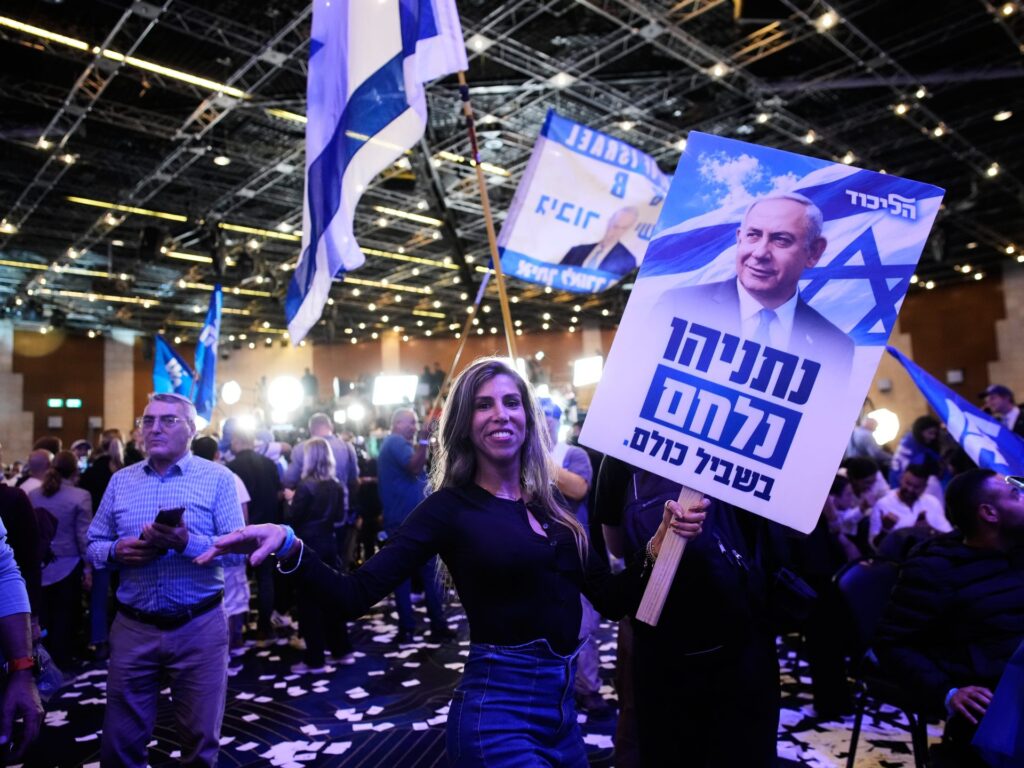
Israel’s recent parliamentary elections have delivered significant outcomes, with Benjamin Netanyahu’s Likud party emerging as the single largest party in the Knesset. This electoral result reinforces Netanyahu’s political influence and sets the stage for his potential continuation as Prime Minister. Here are five key takeaways from these elections:
1. Likud’s Dominance: Likud secured the highest number of seats among all political parties, solidifying Netanyahu’s position as a central figure in Israeli politics. Their plurality underscores widespread support despite the highly fragmented political landscape.
2. Center-Right Bloc Advantage: The bloc of parties aligned with Netanyahu edged past the opposition, providing a slight advantage in coalition-building potential. This shift could influence legislative agendas and government stability.
3. Opposition Strength and Challenges: While the opposition parties did not secure enough seats to form a government, they remain a formidable force, highlighting ongoing political debates and divisions within Israel.
4. Coalition Prospects: Given Israel’s multiparty system, the possibility of coalition governments remains vital. Netanyahu’s bloc, although largest, must partner with smaller factions to achieve a majority, necessitating negotiations and compromises.
5. Impact on Policy and Regional Relations: The election results are likely to affect Israel’s domestic policy direction and its approach to regional issues, including security, relations with neighboring countries, and international diplomacy.
Overall, the elections reaffirm Netanyahu’s leadership while underscoring the complexities of Israeli politics, where coalition-building and political alliances play critical roles in shaping the future government.