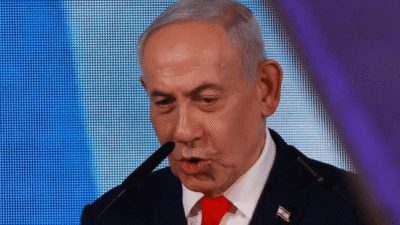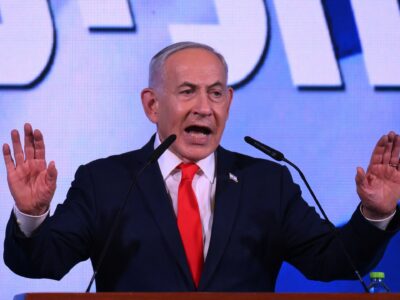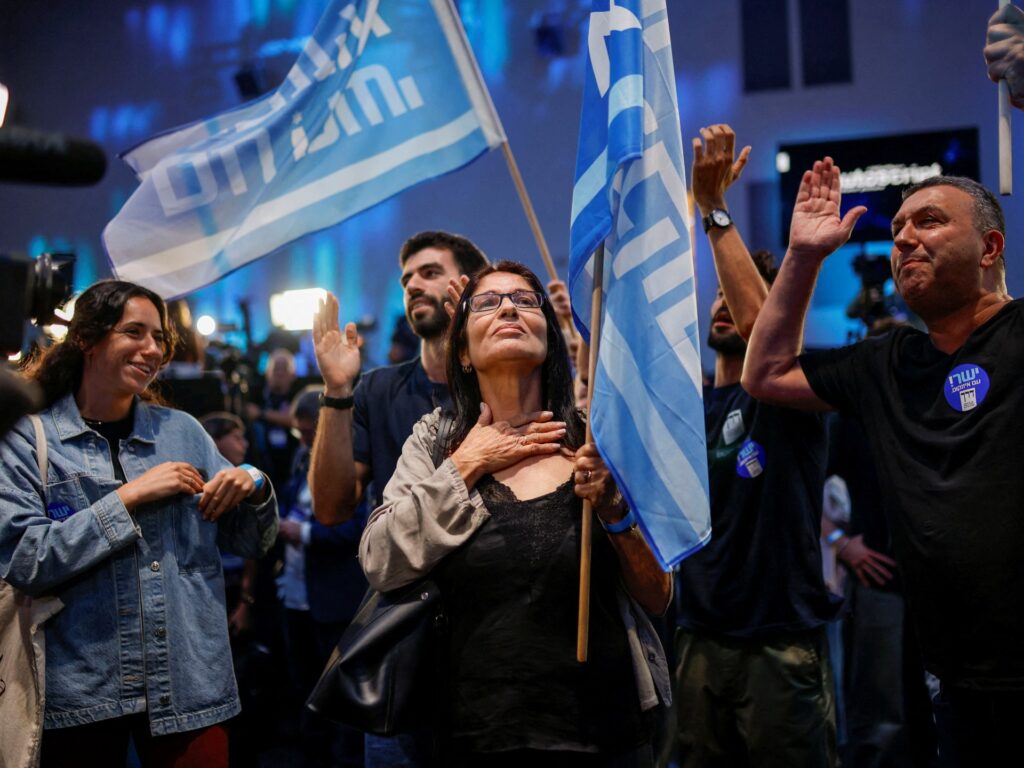
The recent Israeli elections have sparked a contentious debate between the camps of Benjamin Netanyahu and Benny Gantz Eisenkot regarding the interpretation of exit poll projections. Despite exit poll figures showing a narrower margin between the opposing coalitions, key opposition leaders have declared the results a clear defeat for the ruling government. The polarized reactions highlight the intense political battle unfolding in Israel as parties analyze the implications of the results for government formation and future leadership. Netanyahu’s supporters argue that the projections still favor their ability to form a coalition, while the opposition emphasizes the closer than expected outcome as a mandate for change. This election cycle has brought to light the complexities of Israeli politics, where even marginal differences in polling data can lead to vastly different narratives and strategic posturing. As the final official results are awaited, both camps are actively engaging with their constituencies and the media to solidify their interpretations and rally support. The election outcome carries significant weight for Israel’s domestic policy and geopolitical posture, making the ensuing political maneuvering critical to watch. Ultimately, the dispute over the exit poll projections reflects deeper divisions within Israel’s political landscape and underscores the uncertain path ahead for the country’s governance.