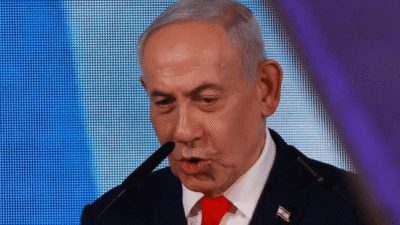
In a significant political shift, Israeli opposition leader Gadi Eisenkot has declared that millions of Israelis voted for change, expressing their fatigue with Prime Minister Benjamin Netanyahu’s administration. Eisenkot accused Netanyahu of spreading ‘lies’ and emphasized that the election results reflect a broad desire across the country for a new direction.
The recent elections marked a pivotal moment in Israeli politics. After years of Netanyahu’s leadership, culminating with various controversies and political strife, many voters sought a fresh approach to governance. Eisenkot’s campaign focused on transparency, reform, and addressing public concerns that many felt were neglected under the current regime.
Eisenkot, a former chief of staff of the Israel Defense Forces, leveraged his military and leadership experience to appeal to moderate and centrist voters. His message resonated strongly with a populace eager for stability and honesty in government.
Political analysts suggest that the election results could lead to significant changes in domestic policies and international relations for Israel. Eisenkot’s promise to combat misinformation and restore trust in leadership contrasts sharply with Netanyahu’s style, which critics argue has contributed to national division.
The opposition leader’s remarks highlight a growing trend in Israeli society where citizens are demanding accountability and transparency from their elected representatives. Eisenkot’s victory is seen as a reflection of this societal shift, signaling potential reforms in how Israel addresses issues such as security, economy, and social welfare.
Netanyahu, on the other hand, has yet to concede defeat publicly, and the political landscape remains dynamic. However, Eisenkot’s victory speech has already inspired hope among supporters who long for a change in political tone and direction.
This transition marks one of the most consequential moments in recent Israeli history, demonstrating the power of electoral change driven by public sentiment. The incoming government under Eisenkot’s leadership will likely face the challenge of uniting a diverse population while implementing reforms promised during the campaign.
As political developments unfold, the international community watches closely, aware that changes in Israel’s leadership could have repercussions beyond its borders. Eisenkot’s administration will need to balance domestic priorities with strategic diplomacy, maintaining Israel’s security and enhancing its global standing.
In summary, Gadi Eisenkot’s declaration of victory underscores a widespread desire among Israelis for transparent governance and a break from the status quo represented by Netanyahu. The election results illuminate a critical juncture, setting the stage for what many hope will be a new chapter of leadership and progress in Israel.