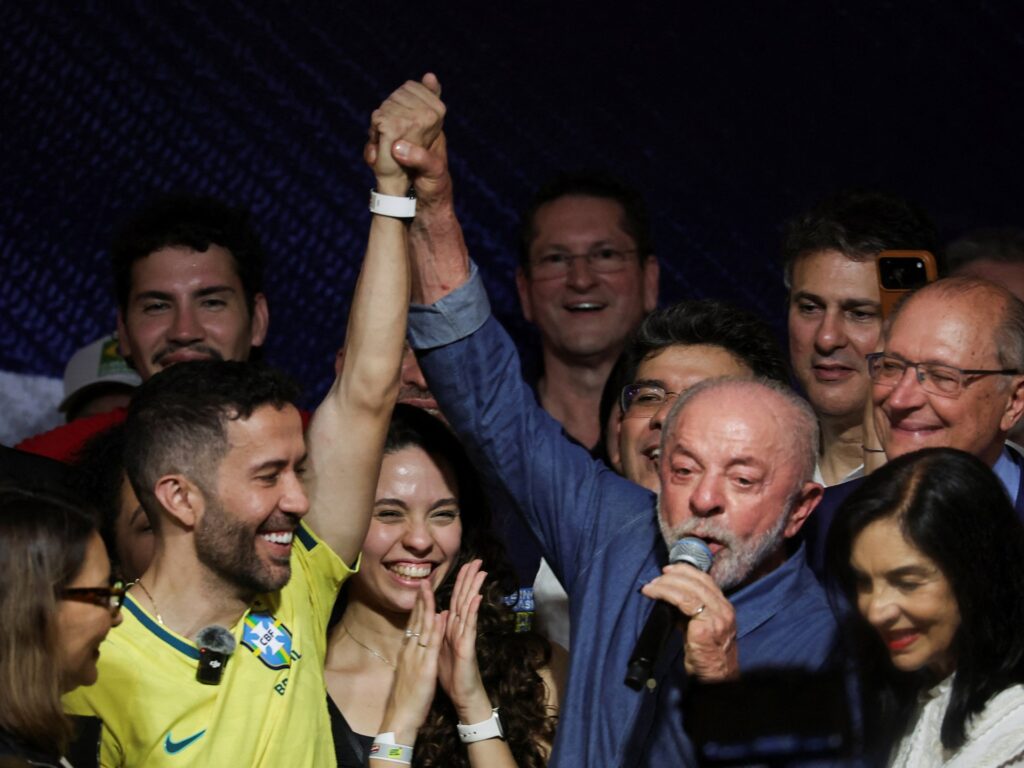
Andre Janones emerged as a pivotal figure in Brazil’s recent presidential election by effectively harnessing the power of WhatsApp to rally support for Luiz Inácio Lula da Silva’s comeback. Janones, a lesser-known political strategist and influencer, masterminded a vast digital campaign that mobilized nearly 11 million WhatsApp subscribers, creating what many have termed a ‘WhatsApp army.’
Janones’s campaign strategy revolved around WhatsApp’s widespread use in Brazil, a country where millions rely on the messaging platform for news and social interaction. His approach was to use targeted messages, engaging content, and community-building tactics to spread pro-Lula narratives and counter political opposition. This grassroots mobilization was critical in reaching voters who might have been skeptical of traditional media.
The WhatsApp campaign’s influence was multifaceted. It not only disseminated campaign materials rapidly and efficiently but also created a sense of community among Lula supporters. This digital activism translated into increased voter turnout, particularly among younger demographics and in economically disadvantaged regions where Lula’s message resonated most.
Experts note that Janones’s strategy marked a shift in political campaigning in Brazil, highlighting the growing importance of social media platforms beyond traditional TV and radio advertisements. The personalized nature of WhatsApp messages helped forge stronger emotional connections, boosting Lula’s appeal and engagement.
However, the campaign was not without controversy. Some critics raised concerns about misinformation and the ethical boundaries of digital political campaigns. Nevertheless, the effectiveness of Janones’s WhatsApp mobilization in shaping public opinion and influencing election outcomes is widely acknowledged.
In conclusion, Andre Janones’s WhatsApp army played a significant role in Lula’s election comeback by leveraging modern technology to build a powerful, engaged support base. This campaign represents a new era in Brazilian politics where digital outreach can decisively impact electoral success.