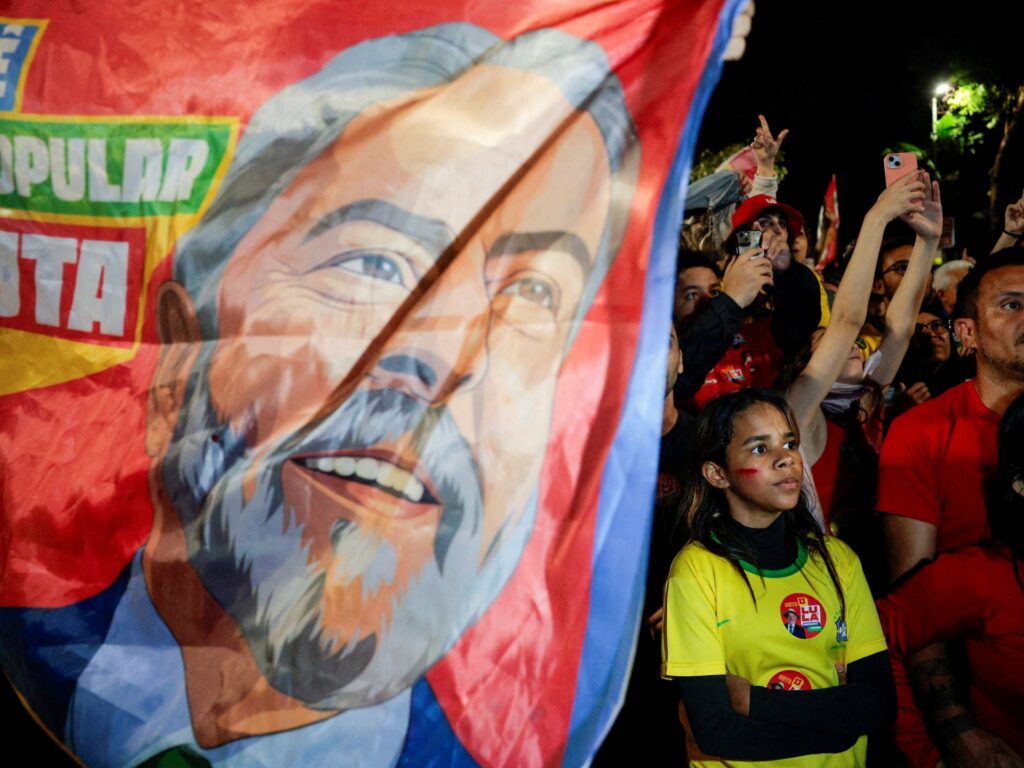
The recent victory of Luiz Inácio Lula da Silva, commonly known as Lula, in Brazil’s presidential election has sent waves of relief and optimism across the BRICS nations—Brazil, Russia, India, China, and South Africa. This win marks Lula’s fourth term as Brazil’s president, a development that many analysts believe could preserve the cohesion and strategic unity within the BRICS group at a critical juncture globally.
Lula’s return to power comes after a fiercely contested campaign against the incumbent Jair Bolsonaro, whose potential re-election had sparked concerns about ideological divisions within BRICS. Bolsonaro’s policies and rhetoric often contrasted sharply with the more collaborative and multipolar vision advanced by BRICS, raising fears of internal fractures that could weaken the bloc’s influence.
BRICS represents an important coalition of emerging economies that collectively seek to offer an alternative to Western-led economic and geopolitical frameworks. The alliance’s strength heavily depends on the political stability and cooperation among member nations, each bringing unique regional influence and economic potential.
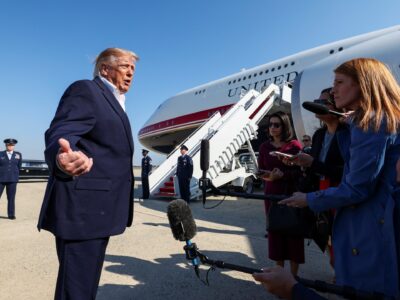
The stakes are particularly high now as former U.S. President Donald Trump attempts to rekindle a vision of reasserting American dominance on the global stage. Trump’s approach emphasizes nationalism and unilateral initiatives, which challenge the multilateralism that BRICS promotes.
Lula’s presidency is expected to reinforce Brazil’s commitments to BRICS’ principles of cooperation, sustainable development, and equitable global governance. His administration is anticipated to be more aligned with the bloc’s collective aspirations than his predecessor, thus minimizing the risk of political discord within the group.
In Brazil, Lula’s platform emphasizes social programs, economic growth through sustainable development, and stronger Latin American integration. These objectives align well with BRICS’ broader goals of fostering economic cooperation and social inclusivity among emerging markets.
Experts suggest that Brazil’s stable and cohesive participation under Lula’s leadership will be crucial in counterbalancing external pressures from the United States and other Western powers aspiring to limit BRICS’ expansion and influence. Lula’s diplomatic experience and regional stature are assets that enhance the bloc’s credibility and bargaining power in international affairs.
Furthermore, Lula’s presidency signals to investors and international partners that Brazil is committed to predictable and consistent policies, fostering a more favorable economic environment. This stability could bolster BRICS’ collective efforts to innovate and reform global financial institutions to better reflect emerging economies’ interests.
Overall, Lula’s victory is seen not just as a national political event, but as a significant moment that may safeguard the unity and progressive agenda of BRICS at a time when geopolitical tensions and power struggles intensify globally. The global community continues to watch how Lula will navigate these challenges, with hopes that his tenure will strengthen BRICS and contribute to a more balanced and multipolar world order.