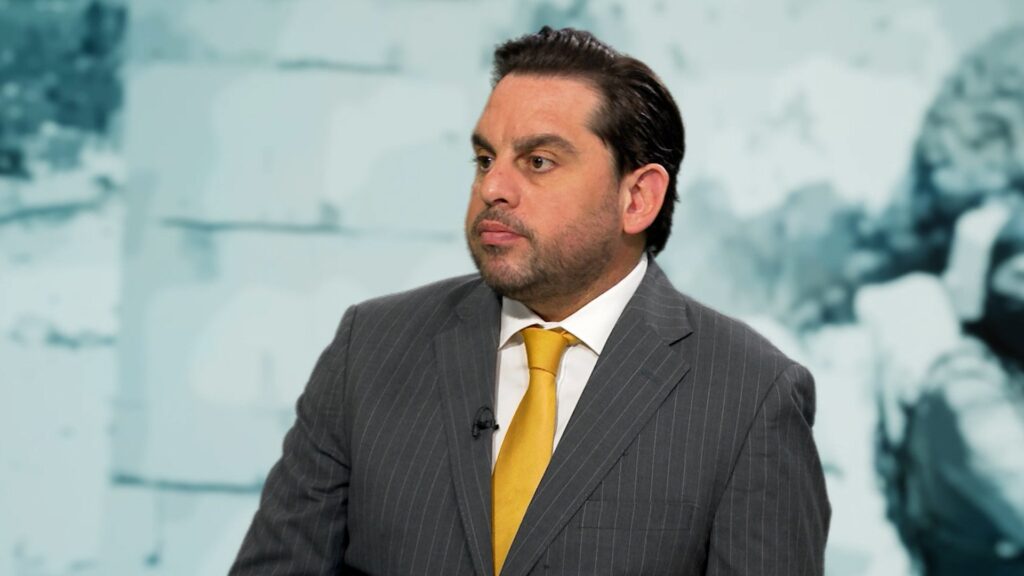
In a recent development surrounding the Israeli political landscape, a former official of the Palestine Liberation Organization (PLO) has made a notable statement regarding the possibility of a coalition government between Benjamin Netanyahu and Benny Gantz’s predecessor, Gadi Eisenkot. This insight comes as the outcome of Israel’s elections remains highly uncertain, with public opinion polls showing a divided electorate between Netanyahu and Eisenkot.
The political environment in Israel has been marked by volatility and tight races, with Netanyahu, the long-serving prime minister, and Eisenkot, a respected former military chief, both considered influential figures who could shape the country’s future leadership. According to the ex-PLO official, the division in polls underscores a fragmented political arena where no single leader holds a guaranteed path to power.
Netanyahu, who leads the Likud party, has been the dominant force in Israeli politics for over a decade, yet his leadership has faced increasing scrutiny and challenges. Eisenkot, primarily known for his tenure as the chief of the Israel Defense Forces, has since transitioned into politics and is perceived as a candidate who might appeal to both centrist and security-focused voters.
The potential coalition between Netanyahu and Eisenkot represents a strategic alliance that could bring together different segments of Israeli society—combining Netanyahu’s seasoned political machinery with Eisenkot’s security credentials and appeal to moderate voters. This possible partnership might be seen as a move to stabilize governance amid the country’s deeply polarized climate.
Analysts suggest that such a coalition could have broad implications for domestic policies, security, and Israel’s approach to regional and international relations. By joining forces, these leaders might be able to navigate the complex challenges Israel faces, including political gridlock, security threats, economic concerns, and the ongoing Israeli-Palestinian conflict.
The former PLO official’s commentary also highlights the unpredictability of the Israeli political process, where last-minute shifts and negotiations after the elections could significantly alter the day-to-day realities of governance. Polls are snapshots of current public opinion but do not always predict post-election coalitions, which depend heavily on negotiations and political compromises.
This insight into the possibility of a Netanyahu-Eisenkot coalition sheds light on the complexities underlying Israel’s democratic framework and the intricate balance of power among various political actors. It also emphasizes the importance of closely monitoring the post-election negotiations to understand the emerging government’s future direction.
As election day approaches, the spotlight remains on the key players and their potential alliances, with political watchers both inside and outside Israel keenly observing how the final outcome will unfold. The implications of the coalition, if formed, will undoubtedly affect not only Israeli politics but also the broader Middle Eastern geopolitical dynamics.
In conclusion, the comments from the former PLO official underscore the fluidity of Israeli politics and the nuanced interplay between different political forces. Whether Netanyahu and Eisenkot’s coalition becomes a reality will depend on the evolving electoral results and subsequent political maneuvers, making the coming weeks critical for Israel’s political future.