The Democratic Republic of Congo (DRC) is currently facing its fastest-growing Ebola outbreak on record, with the number of confirmed cases surpassing 10,000. This alarming milestone highlights the severe impact of the virus in the region, as public health officials grapple with the crisis. Nearly half of those infected with the virus have succumbed to the disease, underscoring the deadly nature of this outbreak.
Since the outbreak began, health authorities and international organizations have worked tirelessly to contain the spread of Ebola, which is known for its high fatality rates and rapid transmission. Despite these efforts, the virus has continued to spread efficiently, affecting a wide swath of communities across the DRC.
The Ebola virus causes severe symptoms, including fever, severe headaches, muscle pain, and bleeding, often leading to death if not treated promptly. The high mortality rate in this outbreak raises concerns about the availability and efficacy of medical interventions and responses in affected areas.
This outbreak has put considerable strain on the DRC’s healthcare infrastructure, which is also challenged by other endemic diseases and socio-political factors. Efforts to control the epidemic include vaccination campaigns, community engagement, and improving access to healthcare facilities.
One of the key hurdles in combating this outbreak is the geographical terrain, which complicates the delivery of medical supplies and services. Additionally, misinformation and fear within local populations have at times hampered response efforts, making it difficult to track and manage new cases effectively.
International health organizations, including the World Health Organization (WHO), have increased their support and presence on the ground. Financial and logistical aid has been critical in enhancing diagnostic capacity, contact tracing, and treatment availability.
Despite the challenges, there have been successful interventions such as vaccination of high-risk populations, which have helped to slow transmission rates in certain areas. However, the overall picture remains dire, with new cases emerging daily.
Healthcare workers operating in the DRC have faced immense risks, with many contracting the virus due to close contact with patients. Protecting these frontline workers is a priority, providing them with personal protective equipment and proper training.
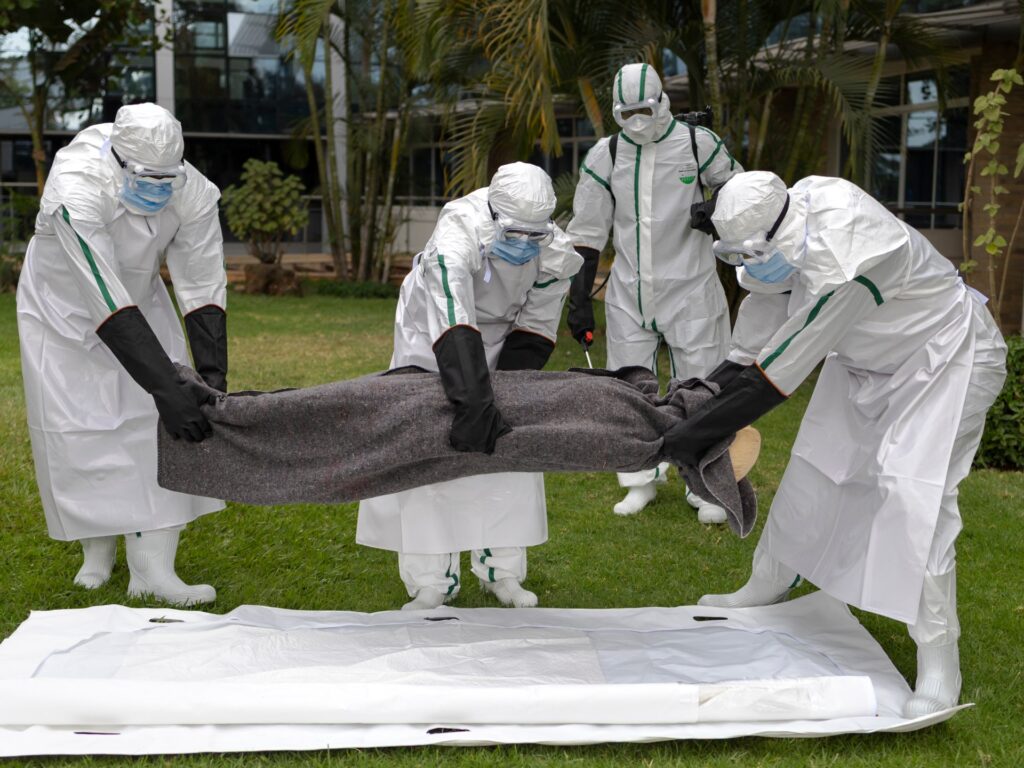
Community awareness campaigns aim to educate the public about how Ebola spreads and ways to prevent infection, such as avoiding contact with bodily fluids of infected persons and practicing safe burial rituals.
The international community remains vigilant, advocating for sustained funding and cooperation to curb the outbreak. The evolving situation requires ongoing monitoring and adaptation of strategies to ensure effective disease control.
Looking forward, experts emphasize the importance of strengthening health systems to better prepare for future outbreaks, not only of Ebola but other emerging infectious diseases.
The severity and scale of this Ebola outbreak in the DRC serve as a stark reminder of the need for global solidarity and robust public health infrastructures to mitigate the impacts of deadly epidemics.
As the situation develops, continuous updates and research will play a crucial role in guiding containment and treatment efforts, aiming to bring this outbreak to an end.