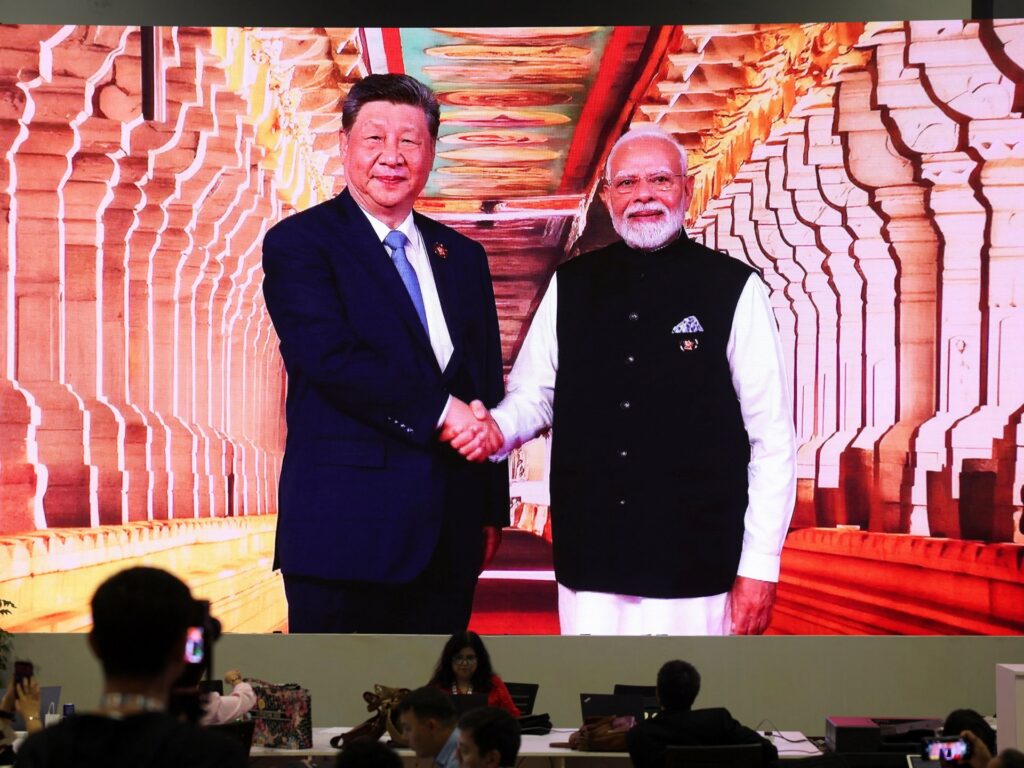
Six years after the deadly Galwan Valley clash, tensions along the India-China border have resurfaced, posing significant challenges for Indian Prime Minister Narendra Modi. Despite efforts to improve bilateral relations and numerous rounds of diplomatic and military talks aimed at reducing friction, recent face-offs have underscored the fragile nature of peace along the Line of Actual Control (LAC).
The Galwan clash in June 2020 marked one of the most serious incidents in decades between the two populous nations, resulting in the loss of lives and a sharp deterioration in diplomatic relations. Since then, both countries have engaged in disengagement processes and confidence-building measures, demonstrating a mutual desire to avoid direct conflict. However, the border remains a volatile zone where overlapping territorial claims and strategic interests frequently incite confrontations.
Prime Minister Modi’s administration has been keen to project strength and decisiveness in safeguarding India’s sovereignty amid escalating regional complexities. The resurgence of border tensions challenges this image, as public sentiment calls for assertive responses while diplomatic channels strive for dialogue and restraint. Analysts note that Modi’s balancing act reflects the broader geopolitical competition in Asia, where China’s assertiveness is viewed with concern across the region.
Recent incidents have involved not only physical face-offs between troops but also the deployment of additional military resources, signaling that vigilance remains high on both sides. Political opponents in India criticize the government’s handling of the situation, suggesting that more proactive measures are necessary to prevent future escalations. Meanwhile, Modi’s government emphasizes a careful, calibrated approach, weighing the risks of military actions against the benefits of continuing negotiations.
In addition to security concerns, the border tensions affect economic and diplomatic engagements. India has imposed restrictions on Chinese investments and increased scrutiny of Chinese businesses amid growing concerns over national security. Conversely, China advocates for maintaining stable relations to ensure uninterrupted trade flows and regional influence.
The Modi administration’s response to these challenges will likely influence public perception and political fortunes ahead of upcoming elections. As India navigates this complex bilateral relationship, the leadership must reconcile demands for national security with the practicalities of diplomacy.
South Asia experts argue that long-term stability requires a combination of persistent dialogue, trust-building, and regional cooperation frameworks that bring multiple stakeholders into the conversation. Without such efforts, the cycle of tension could continue, threatening peace and prosperity in the region.
The ongoing situation highlights the enduring strategic rivalry between India and China, with both countries seeking to assert their positions while avoiding full-scale conflict. For Prime Minister Modi, managing this delicate balance remains one of the defining challenges of his tenure, as the nation watches closely how he addresses the evolving border dynamics six years after the tragic confrontation.