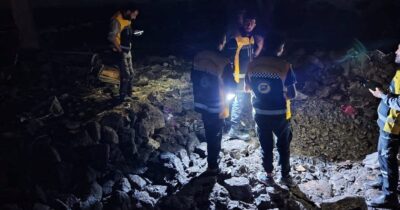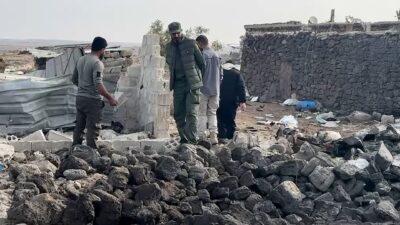
A recent drone strike in the city of Nyala, located in the Darfur region of Sudan, has tragically claimed the lives of at least 21 individuals and injured approximately 40 others. This incident marks one of the many violent episodes in the escalating conflict within the country, further exacerbating the already dire humanitarian situation.
Sudan has been embroiled in intense fighting for several months, primarily between the Sudanese Armed Forces (SAF) and the paramilitary Rapid Support Forces (RSF). The conflict, which erupted earlier this year, has severely destabilized regions across Sudan, including its capital, Khartoum, and various parts of Darfur.
The drone strike in Nyala underscores the increasing use of sophisticated weaponry, such as drones, in this ongoing war. Reports indicate that the warring sides have engaged in multiple drone strikes, targeting both military and civilian infrastructure. These attacks have not only resulted in significant loss of life and injuries but have also led to widespread power outages, with millions in eastern Sudan currently without electricity.
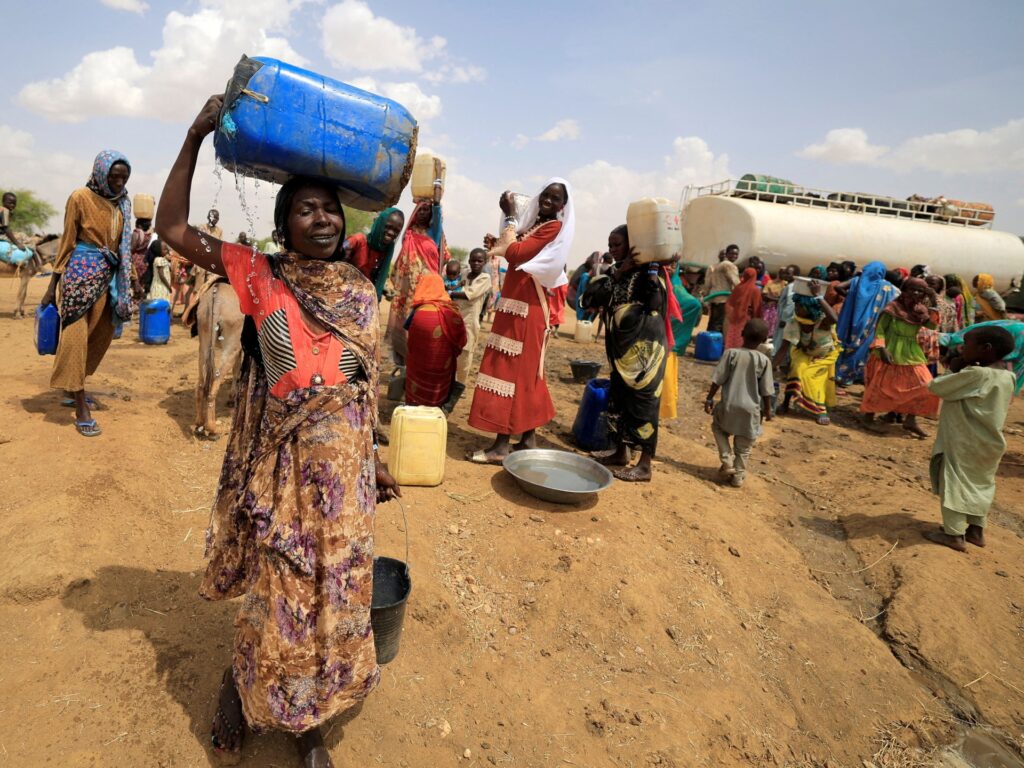
The power blackouts have added another layer of hardship for civilians, complicating access to essential services such as healthcare, water, and communication. In affected areas, hospitals are struggling to operate amid limited resources and constant threats of bombardment.
Human rights organizations have expressed grave concern over the escalating violence and the impact of drone warfare on civilian populations. The use of drones, often with limited oversight, raises questions about accountability and the protection of non-combatants under international humanitarian law.
Efforts by international actors to broker ceasefires have so far yielded limited success. The insecurity has sparked a humanitarian crisis, with millions displaced and in urgent need of food, shelter, and medical assistance.
The Sudanese government and the RSF have not publicly claimed responsibility for the drone strike in Nyala. However, both parties have accused each other of perpetrating aerial attacks in the region.
As the conflict drags on, the international community continues to call for an immediate cessation of hostilities and for dialogue aimed at restoring peace and stability in Sudan. Meanwhile, the civilian population remains caught in the crossfire, facing mounting casualties and deteriorating living conditions.
This latest attack in Nyala is a stark reminder of the devastating human cost of the conflict and the urgent need for concerted efforts to halt the violence and address the deep-rooted issues fueling the Sudanese war.