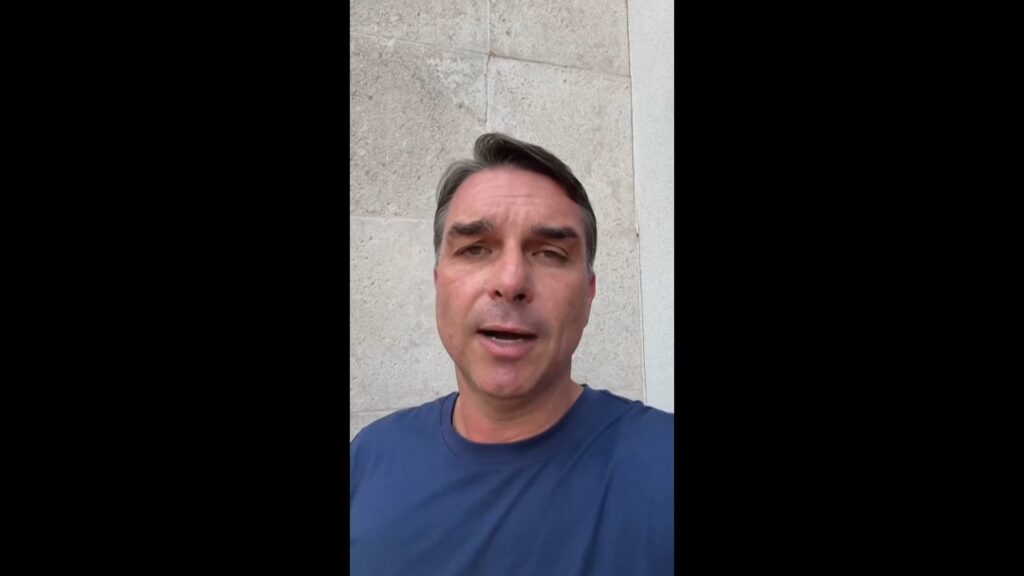
In the aftermath of Brazil’s recent election, political tensions remain high, particularly surrounding former president Jair Bolsonaro and his family. Flavio Bolsonaro, son of Jair Bolsonaro, has publicly shared claims that the police have demanded he surrender his passports. The incident was brought to light when Flavio Bolsonaro posted a video on social media, revealing that law enforcement officials had instructed him to hand over his travel documents.
This development adds a new layer of complexity to the political landscape in Brazil following Bolsonaro’s election defeat. The Bolsonaro family has been a significant presence in Brazilian politics for years, and this recent demand highlights escalating tensions between the former president’s circle and government authorities.
While the official reasons behind the police request have not been fully disclosed, it is perceived by some as part of broader efforts to investigate and manage issues tied to the Bolsonaro political faction. Legal experts suggest that demanding passports could be a precautionary measure to prevent individuals under investigation from leaving the country during ongoing inquiries.
The video shared by Flavio Bolsonaro quickly gained attention across social platforms, sparking vigorous debate among supporters and opponents. Many Bolsonaro supporters view the passport demand as an unfair political persecution aimed at sidelining the former leader and his family. Meanwhile, critics argue that it reflects necessary legal actions in light of alleged irregularities connected to Bolsonaro’s tenure.
Brazilian law enforcement agencies have not released an official statement regarding the passport demand, prompting speculation and calling for transparency.
The Brazilian election that resulted in Bolsonaro’s defeat signaled a shift in the country’s political direction, but the aftermath has been fraught with legal disputes and public demonstrations. The Bolsonaro family remains vocal and active, continuing to influence political discourse in Brazil.
As the situation develops, political analysts emphasize the importance of due process and the rule of law in resolving conflicts and maintaining stability in Brazil’s democracy.
This episode underscores the ongoing challenges Brazil faces in balancing political change with law enforcement and legal accountability, especially amid a highly polarized environment. Observers both domestically and internationally will be watching closely as events unfold in this significant chapter of Brazil’s political saga.