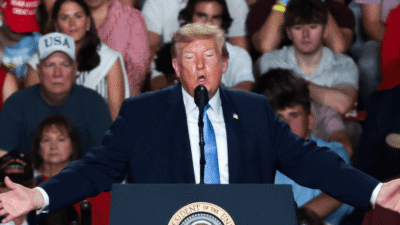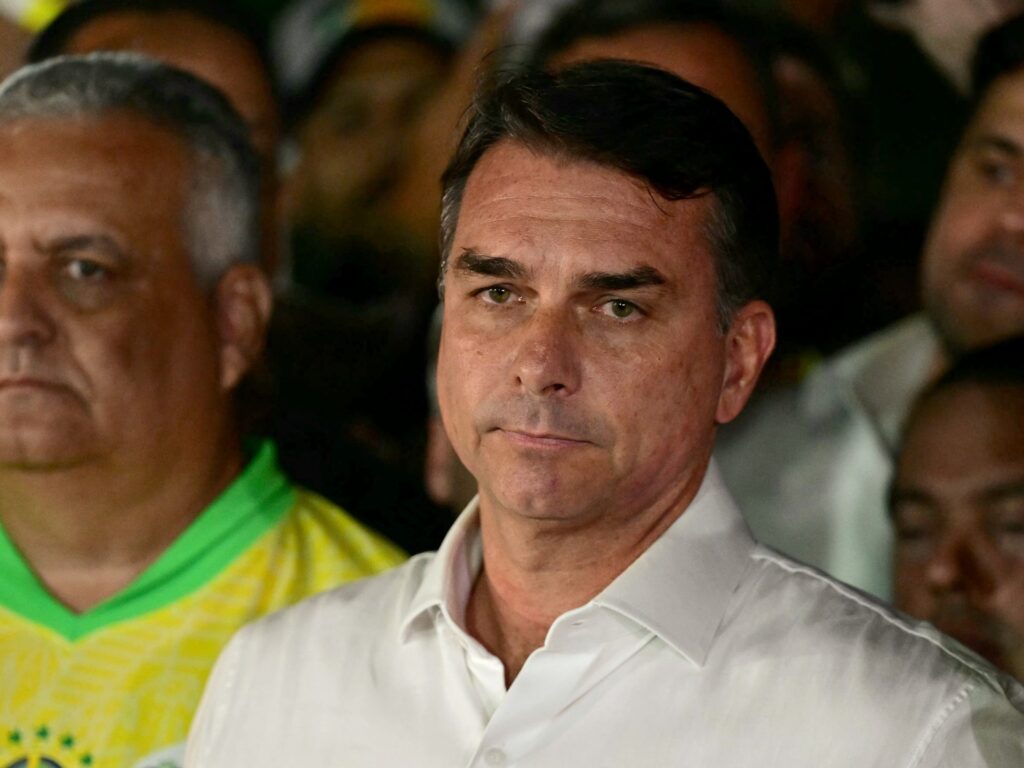
In a dramatic turn in Brazil’s presidential election saga, the political party of former President Jair Bolsonaro has officially accepted the election results, despite earlier tensions stirred by external comments. This development comes in the wake of Donald Trump, former U.S. President, who publicly labeled Brazil’s presidential vote as “rigged,” although he later professed neutrality by saying he “didn’t take sides” in the race.
The Brazilian election, closely watched both domestically and internationally, has been marked by a contentious atmosphere reminiscent of previous global election disputes. Bolsonaro’s party initially showed reluctance to acknowledge the outcome, echoing concerns about the integrity of the vote that mirrored Trump’s originally vociferous denunciations of U.S. elections.
Trump’s intervention, which included unsubstantiated claims regarding the legitimacy of the Brazilian election, added a layer of complexity to an already tense political environment. His comments were seen by some analysts as an extension of his well-known skepticism about electoral processes where results do not favor his political allies.
However, amid growing evidence supporting the accuracy and legitimacy of Brazil’s electoral system, Bolsonaro’s party has moved to accept the results, signaling a potential de-escalation in political tensions within the country. This acceptance is a significant step towards maintaining democratic stability and reassuring both domestic and international observers.
The acceptance of the election outcome by Bolsonaro’s party helps to prevent further polarization and possible tumultuous reactions that could have arisen from prolonged disputes over the vote count. It also highlights the importance of trusting verified electoral processes and institutions in upholding democracy.
Analysts suggest that although Trump’s comments were influential in stirring doubt, the strong institutional framework and evident transparency in Brazil’s election process ultimately upheld the democratic principles. The scenario draws attention to the critical role of credible election monitoring and the need for responsible discourse by influential figures during sensitive political events.
In summary, despite external pressures and unfounded allegations by a prominent global political figure, Brazil’s democratic process has prevailed, with Bolsonaro’s party now clearly accepting the election results. This move is likely to foster political stability and confidence in the nation’s electoral integrity moving forward.