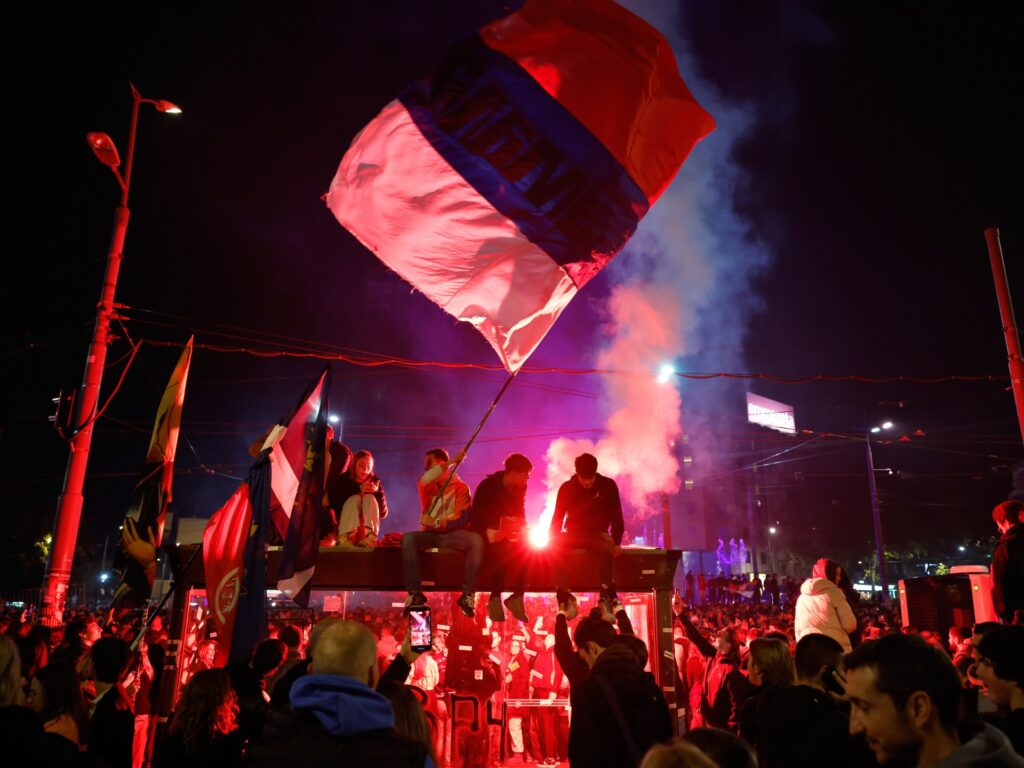
Aleksandar Vučić’s recent electoral defeat marks a pivotal moment for Serbia, particularly in terms of its foreign policy direction. Vučić, who had been a significant political figure in Serbia for years, was widely regarded as someone who, despite maintaining ties with Russia and China, had gradually moved Belgrade closer to the West and the European Union. His departure from power invites speculation about whether Serbia will shift its allegiances or maintain its current strategic balances.
For the past decade, under Vučić’s leadership, Serbia has walked a tightrope in international relations. On one hand, it has preserved close connections with Russia, benefiting from energy supplies and political support, especially concerning the contentious issue of Kosovo. On the other hand, Vučić’s government has pursued EU accession talks actively, championing reforms aimed at meeting EU conditions despite considerable domestic resistance.
The nuanced balancing act reflected Serbia’s broader geo-strategic challenges. It is situated at the crossroads of East and West, historically influenced by both spheres and unable to ignore the impacts of either. The West, particularly the European Union and the United States, has been pressing for Serbia to align more closely with Western norms and policies, including sanctions against Russia following its invasion of Ukraine. Meanwhile, Russia remains a key partner, and public opinion in Serbia often favors traditional ties with Moscow.
Vučić’s defeat does not immediately translate to a dramatic shift in foreign policy. The incoming government faces significant domestic challenges: economic issues, the aftermath of the COVID-19 pandemic, and political fragmentation. These priorities may delay or moderate any ambitious foreign policy shifts. The next administration’s approach will likely be pragmatic, seeking to stabilize internal affairs before making bold moves on the international stage.
Patience is required from Western allies who hope Belgrade will more decisively pivot towards the EU and NATO standards. The process of integration is complex and slow, and Serbia’s leadership will need to manage domestic concerns and geopolitical pressures simultaneously. The conflict in Ukraine has underscored the difficult choices smaller states face when major powers clash, with Serbia emblematic of this dilemma.
Furthermore, Belgrade’s top priority remains the resolution of the Kosovo issue, a longstanding obstacle to full EU accession. The new government will have to navigate this sensitive topic carefully to maintain support at home and progress in Brussels. The Kosovo question remains a litmus test for Serbia’s foreign relations and international reputation.
In summary, Vučić’s electoral defeat opens a new chapter but does not guarantee swift changes in Serbia’s foreign policy. The balance between East and West is expected to persist, at least in the near term, as domestic priorities take precedence. For external observers and stakeholders, it is important to watch how the new government addresses internal reforms and external pressures without rushing to conclusions about Serbia’s geopolitical orientation. This period demands careful patience and a nuanced understanding of Serbia’s complex political landscape.