The ongoing conflict in Iran is creating a ripple effect across Africa, significantly impacting food security by driving up critical costs, according to trade officials. Fertilizer and fuel prices have surged as a direct consequence of the war, posing new challenges for African agricultural markets and food supply chains.
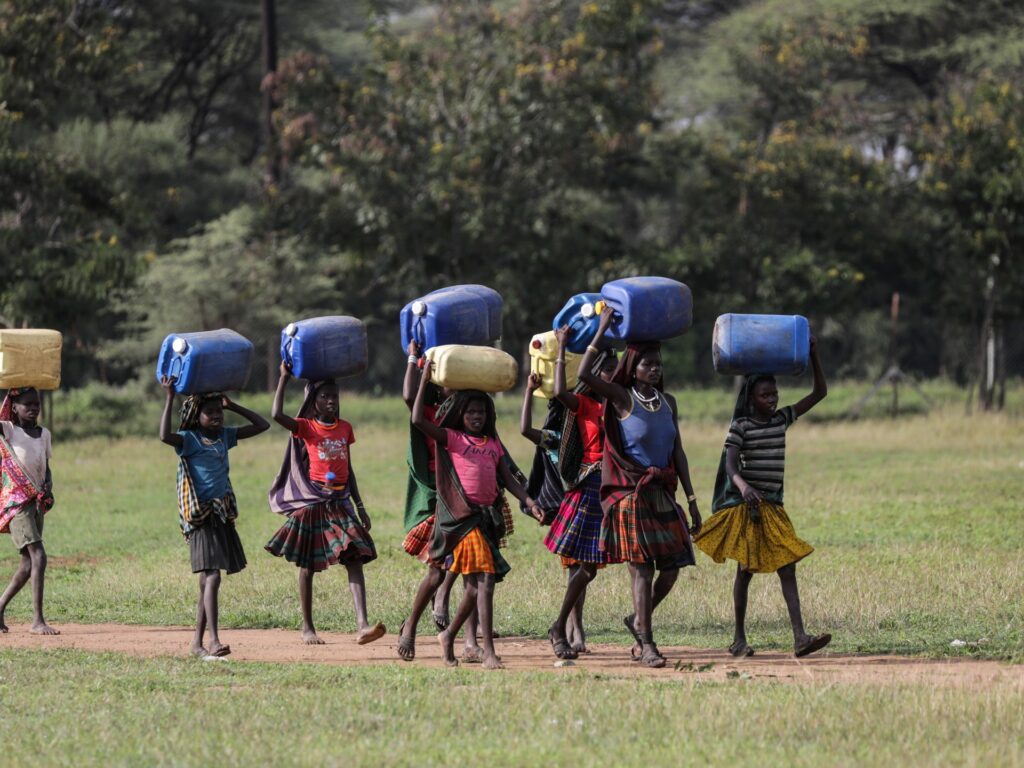
Africa, which relies heavily on imports for key agricultural inputs like fuel and fertilizers, is facing soaring expenses that threaten to undermine efforts to ensure stable food production. Fertilizers are essential for soil fertility and crop yields, and the rising prices may reduce their use among African farmers, leading to lower agricultural productivity and potential food shortages.
Fuel cost hikes also contribute to higher transportation and distribution expenses for food products, compounding the difficulties in getting food to markets and consumers in a timely manner. These factors together exacerbate existing vulnerabilities in African food systems, many of which are already under strain from climate change, population growth, and economic instability.
Trade officials express grave concern that prolonged conflict in Iran could trigger a sustained increase in commodity prices, directly impacting food affordability and availability in African countries. The economic repercussions could destabilize local markets, worsen hunger, and force governments to seek costly emergency measures.
The war in Iran has disrupted global supply chains, as Iran is a significant player in global energy markets. The rise in fuel prices is felt worldwide, but the impact is particularly acute in regions like Africa where fuel prices constitute a large portion of agricultural production and transportation costs.
International trade experts call for coordinated action to mitigate the impact of the conflict on vulnerable economies. Suggestions include strategic reserves, alternative sourcing of fertilizers and fuels, and financial support mechanisms for farmers and food distributors.
African nations are urged to invest in local agricultural inputs and diversify energy sources to reduce dependency on volatile global markets affected by geopolitical conflicts. Enhancing sustainability and resilience in food production systems is considered vital to safeguarding food security amid ongoing global uncertainties.
In conclusion, trade officials warn that without swift and coordinated intervention, the continued war in Iran could severely jeopardize Africa’s food security landscape, increasing the risk of hunger and economic disruption across the continent. This situation calls for urgent international cooperation and innovative solutions to protect millions of lives dependent on stable and affordable food supplies.