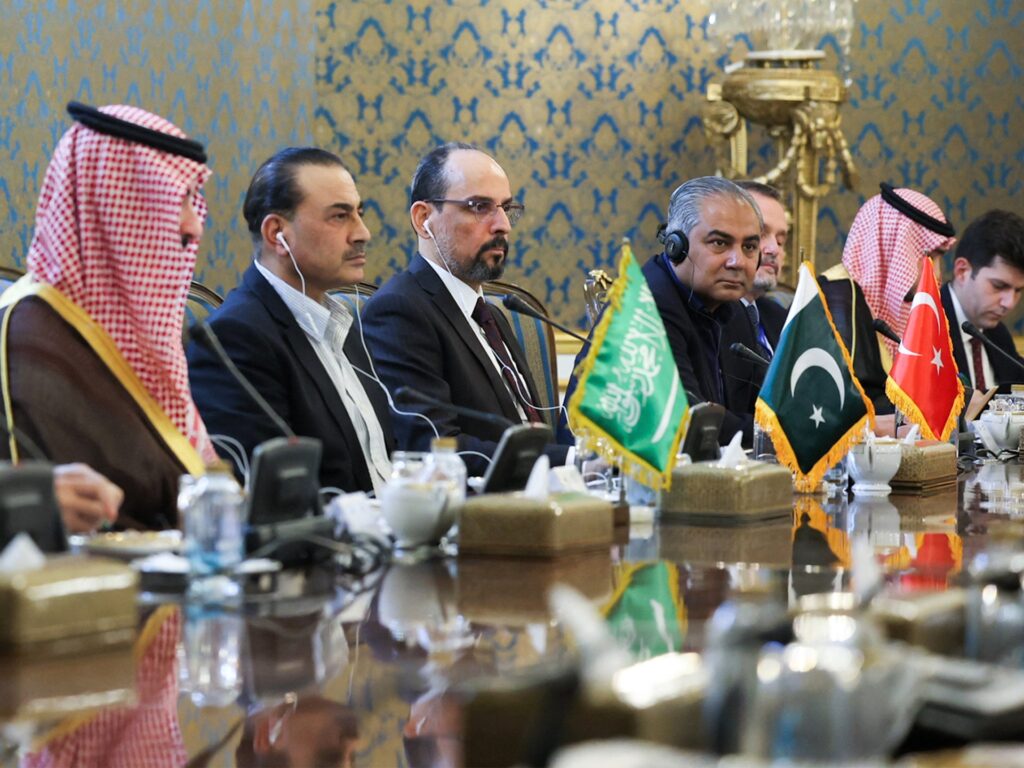
In a significant diplomatic move, members of the Mecca Defence Alliance have gathered in Tehran with the goal of defusing escalating tensions involving Iran, the United States, and the conflict in Yemen. This high-level meeting underscores the growing concern over regional stability and the complex interplay of interests that have fueled conflict in the Middle East.
The alliance, primarily led by Saudi Arabia and its close allies, aims to counter the advances of the Houthi movement, a Yemeni faction backed by Iran, which has been engaged in a prolonged conflict against the Yemeni government and Saudi-led coalition forces. The presence of alliance members in Tehran signals a rare moment of dialogue amid a backdrop of longstanding animosity and proxy conflict between Iran and Saudi Arabia.
Saudi Arabia has consistently viewed the Houthi insurgency not only as a threat to Yemeni sovereignty but also as a destabilizing factor in the broader Gulf region. The Houthis’ capability to launch missile and drone attacks into Saudi territory has heightened security concerns, prompting Riyadh to seek support from its partners in the alliance to formulate a concerted response.
During the Tehran talks, discussions are expected to focus on de-escalation strategies and mechanisms to curtail the supply chains and military support that empower the Houthi rebels. Efforts to address the humanitarian crisis in Yemen, which has worsened owing to the ongoing conflict, are also anticipated to be a central topic.
The meeting in Tehran is particularly notable given the strained relations between Iran and the United States, characterized by economic sanctions, nuclear program disputes, and regional power struggles. By engaging in dialogue within Iran’s capital, the alliance members may be seeking to open new channels of communication, potentially easing some of the tensions that have complicated diplomatic relations.
Experts suggest that a successful dialogue could pave the way for broader peace negotiations involving all stakeholders. It could also create an environment conducive to the revival of halted diplomatic processes, such as the UN-led peace talks for Yemen.
The Mecca Defence Alliance’s approach highlights the interconnected nature of Middle Eastern conflicts, where local disputes often intertwine with international politics. The coalition’s presence in Tehran may signal a strategic pivot towards multilateral engagement rather than unilateral military action.
Furthermore, the alliance is likely to explore security cooperation frameworks to address mutual threats, including terrorism and extremist groups operating within and beyond Yemen’s borders. Such cooperation could enhance intelligence sharing and joint operations to stabilize the region.
Saudi Arabia’s leadership in the alliance reflects its desire to maintain regional hegemony and prevent Iranian expansionism. However, the current discussions indicate a potential for compromise and pragmatic diplomacy aimed at reducing hostilities.
The humanitarian dimension remains a pressing concern. Yemen has suffered one of the world’s worst humanitarian crises, with millions displaced, food insecurity rampant, and vital infrastructure destroyed. The alliance’s willingness to engage in Tehran might also be motivated by a desire to facilitate aid delivery and reconstruction efforts.
Regional analysts note that while the talks are a positive development, the path to lasting peace is fraught with challenges. Deep-seated mistrust, proxy warfare, and competing geopolitical agendas continue to pose significant obstacles.
Nonetheless, the Mecca Defence Alliance’s initiative to convene in Tehran marks a crucial step in addressing a multifaceted crisis. The outcome of these discussions could influence the trajectory of Middle Eastern diplomacy and security in the months and years ahead.
In summary, the assembly of Mecca Defence Alliance members in Tehran underscores a strategic effort to defuse Iran-US tensions and counter Houthi advances in Yemen. By fostering dialogue and cooperation, the alliance seeks to enhance regional stability, address humanitarian issues, and explore pathways toward sustainable peace in a volatile region.