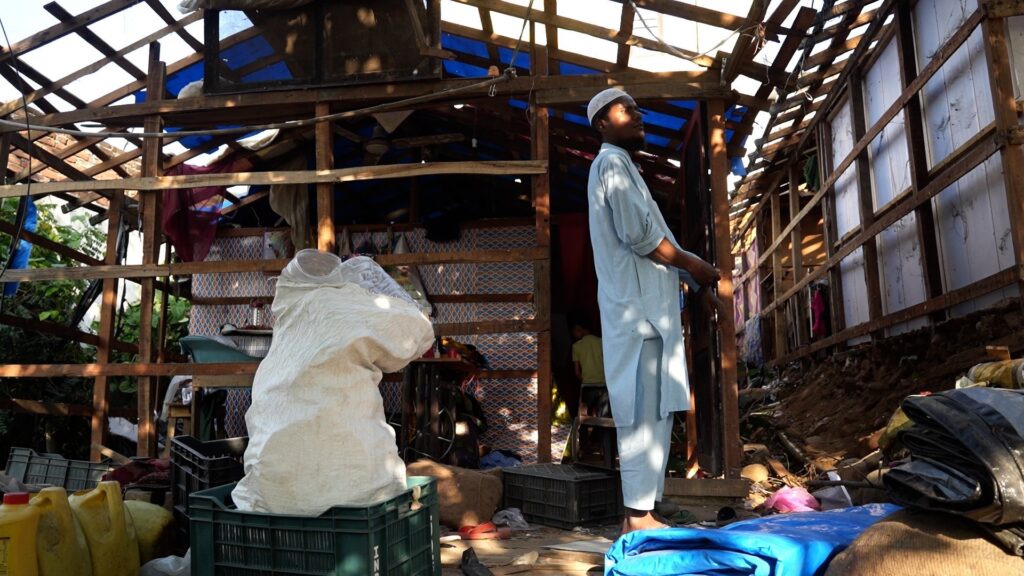
In the disputed region of Kashmir administered by India, Rohingya refugees have begun dismantling their homes following threats of eviction. The Rohingya, a stateless Muslim minority originally from Myanmar, have sought refuge in various parts of South Asia, including Jammu and Kashmir, where they have lived in precarious conditions.
This recent development comes amid escalating tension and uncertainty faced by the Rohingya community in the region. Reports indicate that authorities have pressured the refugees to vacate the land they occupy, citing legal and political challenges linked to the disputed status of Kashmir. The Rohingya, already vulnerable due to their statelessness and history of persecution, now face the traumatic prospect of losing their homes once again.
The decision to dismantle homes appears to be a response to eviction notices or implicit threats of forced removal by local authorities. Refugees say that while they hoped to find safety and stability in Kashmir, they are now caught in the middle of broader geopolitical struggles involving territorial claims and governance issues in the contested Kashmir area.
Human rights organizations have expressed concern over the treatment of Rohingya refugees in Kashmir. They emphasize the need for international attention to ensure the protection of these vulnerable populations, stressing that evictions without appropriate resettlement plans can lead to further human rights violations.
Locally, the situation remains tense as Rohingya families dismantle their dwellings, uncertain about their future and where they can seek refuge next. This crisis highlights the broader issue of displaced persons in complex conflict zones, where political disputes often overshadow humanitarian needs.
The Kashmir region has long been a flashpoint for conflict between India and Pakistan, with both countries administering parts of the territory. This ongoing dispute complicates efforts to provide aid and protection to marginalized groups like the Rohingya.
Advocates are calling for coordinated action among governments, international bodies, and humanitarian organizations to address the immediate needs of the Rohingya refugees in Kashmir and to find durable solutions that respect their rights and dignity.
Amid geopolitical struggles and administrative challenges, the Rohingya refugees continue to bear the brunt of instability, underscoring the urgent need for empathy, dialogue, and international support in resolving their plight.