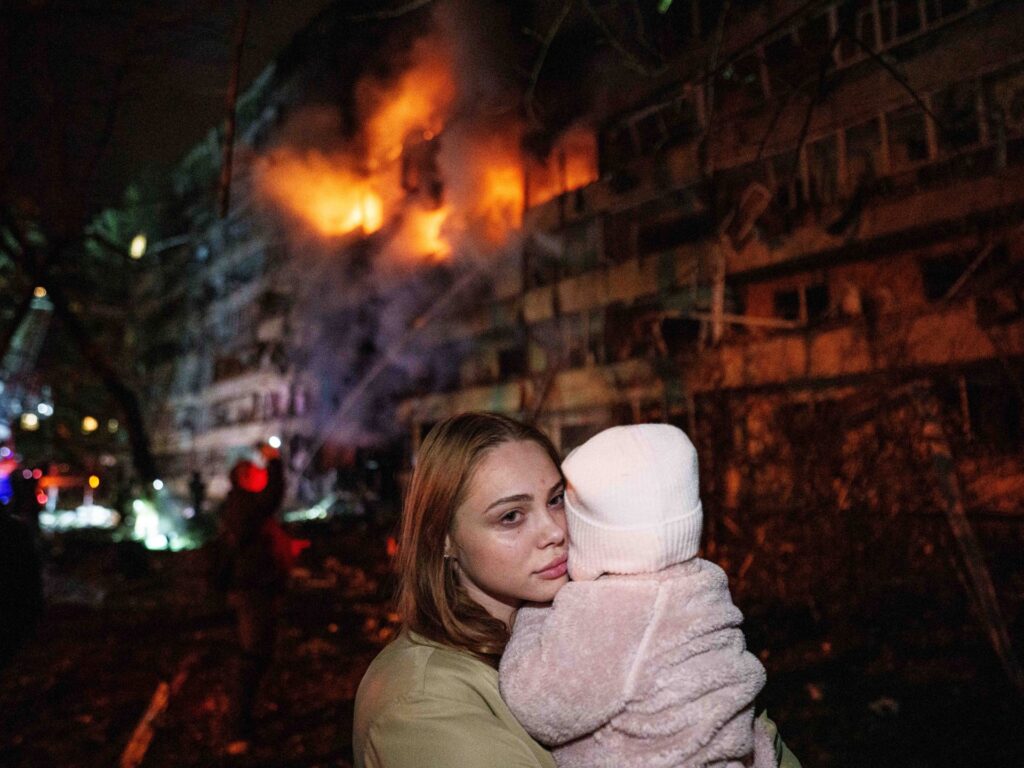
The United Nations commission has officially declared Russian attacks on Ukraine’s energy infrastructure as a war crime. Over nearly five years, Russian forces have repeatedly targeted vital heating plants and power lines in Ukraine, weaponizing the cold and placing civilians in severe danger, particularly during the harsh winter months. These strategic strikes have severely disrupted electricity and heating for millions of Ukrainian residents, aggravating humanitarian conditions and leading to widespread suffering.
The UN commission’s findings emphasize the deliberate and sustained nature of these attacks by Russia, characterizing them not merely as collateral damage but as targeted war tactics aimed at destabilizing Ukraine. The assault on energy infrastructure is condemned due to its devastating impact on civilian life, violating international humanitarian laws that protect civilians and civilian infrastructure during conflicts.
Ukraine has suffered massive challenges due to these offensive operations, with millions facing power outages, lack of heating, and increased vulnerability to cold temperatures. The infrastructure damage extends beyond immediate hardship, hindering recovery efforts and threatening long-term stability in affected communities.
The weaponization of energy resources reflects a brutal strategy that exacerbates the human cost of the conflict. Essential services such as hospitals and schools have also seen disruptions due to power shortages, further amplifying the humanitarian crisis. The UN’s stance calls for accountability for those responsible and urges international actors to intensify efforts to safeguard civilian infrastructure in conflict zones.
International human rights organizations have backed the UN commission’s classification, urging for comprehensive investigations and potential prosecutions under international criminal law. The ongoing conflict and repeated targeting of non-military infrastructure underscore the urgent need for renewed dialogue and adherence to international norms to protect civilians.
In conclusion, the UN’s condemnation of Russia’s attacks as war crimes signals a critical moment in the global response to the Ukraine conflict. It highlights the need for sustained international pressure to prevent further destruction and to uphold the principles of protection for civilian populations amidst warfare. The situation remains a stark reminder of the broader humanitarian consequences of contemporary conflicts and the pivotal role of international oversight.