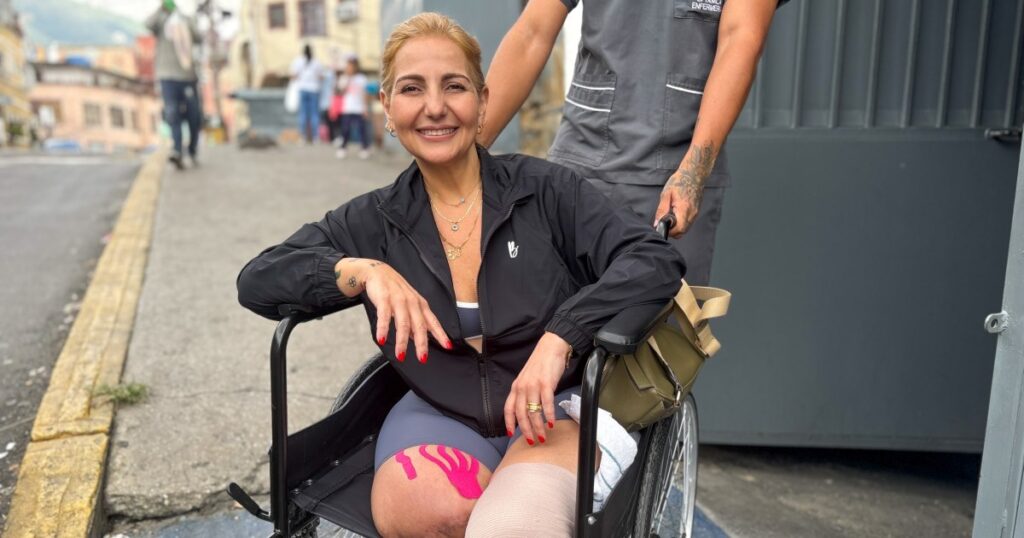
In the aftermath of a devastating earthquake that struck Venezuela, many survivors have faced unimaginable challenges, including the loss of limbs. The road to recovery for these amputees is proving to be a lifelong endeavor, marked by physical and psychological hurdles.
The earthquake, which caused widespread destruction, left numerous individuals injured, many of whom underwent amputations due to severe injuries and lack of timely medical intervention. These amputees now confront the complex process of adapting to life without their limbs in a country already grappling with economic and infrastructural difficulties.
Prosthetic access remains limited, hampered by economic sanctions and shortages of materials necessary for medical supplies. Many survivors rely on makeshift solutions, or must travel extensively to receive proper prosthetic fittings and rehabilitation services.
Experts emphasize that physical rehabilitation is only part of the journey. The mental health impact is profound, with survivors often experiencing depression, anxiety, and post-traumatic stress disorder (PTSD). Psychological support systems are scarce, further complicating recovery.
Community initiatives and international aid organizations have stepped in to offer some relief. These programs focus not only on providing prosthetic limbs but also on counseling and vocational training to reintegrate amputees into society and the workforce.
Despite the hardships, stories of resilience abound. Some amputees have become advocates for disability rights, working to raise awareness and improve conditions for people with disabilities in Venezuela.
Medical professionals caution that recovery will require sustained effort and resources. Continuous physical therapy, mental health care, and social support are crucial for survivors to rebuild their lives.
In summary, the experience of Venezuela’s earthquake amputees illustrates the multifaceted challenges of natural disaster recovery in a struggling nation. Their resilience inspires hope, but the path ahead demands comprehensive support to address both their physical disabilities and emotional scars.