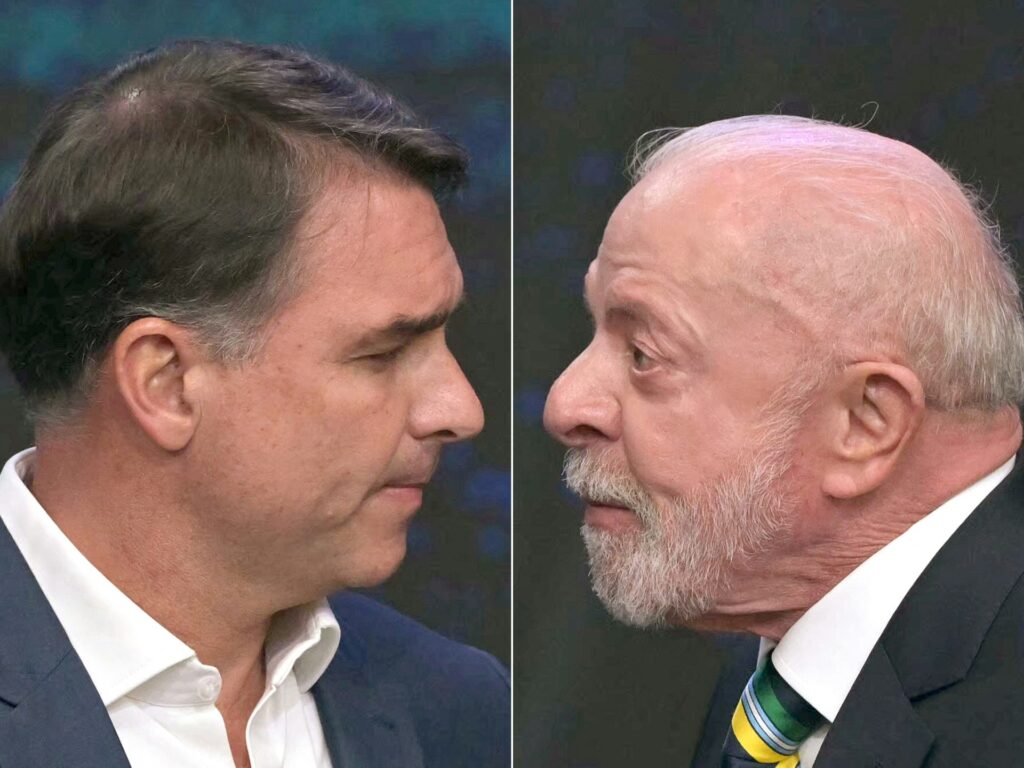
The 2026 Brazilian presidential election is shaping up to be a closely contested battle between incumbent President Luiz Inacio Lula da Silva and Senator Flavio Bolsonaro. As the campaign heats up, both candidates are garnering significant support, making the race one of the most watched political events in Latin America.
Lula, a seasoned politician and member of the Workers’ Party, is seeking to leverage his previous presidency’s accomplishments, which include significant social programs aimed at reducing poverty and expanding education. His administration has been marked by efforts to strengthen Brazil’s economy and improve health care access, factors that have contributed to his enduring popularity among various demographic groups.
On the other side is Senator Flavio Bolsonaro, the son of former President Jair Bolsonaro. Flavio has positioned himself as a candidate who supports conservative values, economic liberalism, and a tough stance on crime. His campaign emphasizes law and order, fiscal responsibility, and a critique of the current administration’s policies.
The election comes at a critical time for Brazil, a country facing economic challenges, social divisions, and environmental concerns, especially regarding the Amazon rainforest. Voters are closely watching how each candidate plans to tackle these issues while promoting Brazil’s development on the global stage.
Recent polls indicate a tight race, with both Lula and Flavio Bolsonaro enjoying strong bases of support. The competition is intense in urban centers and more rural regions alike, reflecting the country’s diverse political landscape.
Election experts highlight the importance of voter turnout and the influence of undecided voters in the final outcome. Additionally, the role of social media and political advertising is expected to play a crucial role in shaping public opinion during the closing weeks of the campaign.
International observers are paying close attention to ensure the election process remains transparent and democratic, as Brazil’s political stability is vital for regional and global economic interests.
As election day approaches, both candidates are ramping up their efforts with rallies, debates, and outreach programs. The world watches as Brazil faces a pivotal moment in its democratic journey, with the future of its leadership hanging in the balance between Lula’s experienced governance and Bolsonaro’s promises of change.