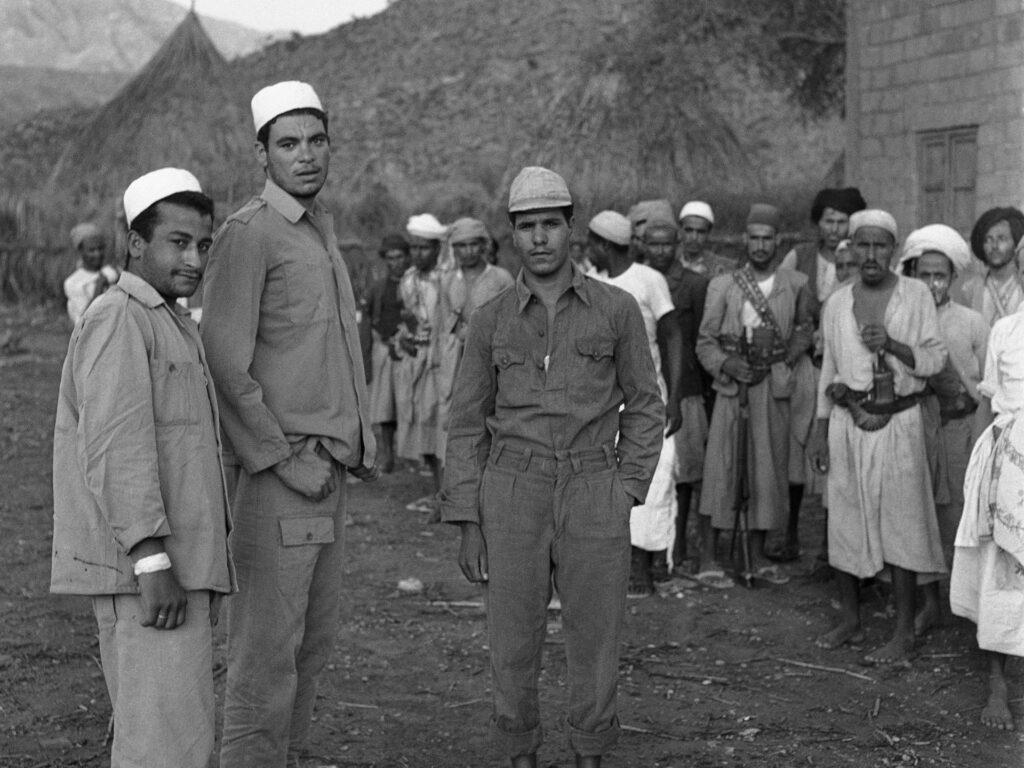
Egypt’s cautious stance on direct involvement in Yemen’s ongoing conflict stems from a complex blend of historical experiences, current geopolitical considerations, and military realities. The memories of the 1960s Yemen war, when Egypt intervened in the North Yemen Civil War, continue to cast a long shadow over Cairo’s foreign policy decisions regarding the region.
During the 1960s, under President Gamal Abdel Nasser, Egypt deployed tens of thousands of troops to support republican forces against royalist factions backed by Saudi Arabia and other monarchies. This war, which lasted several years, became a costly and draining endeavor for Egypt both financially and militarily. The prolonged conflict resulted in significant casualties and stretched Egypt’s resources during a period marked by domestic challenges and regional rivalries.
Given this backdrop, Egypt today views involvement in Yemen with considerable caution. The ongoing conflict in Yemen is multifaceted, involving complex alliances and external actors, including the Saudi-led coalition fighting against the Houthi rebels. Egypt, although a member of this coalition, has historically limited its role due to concerns over entanglement in another protracted war that could diminish its military capabilities and destabilize the region further.
Egypt’s wariness is heightened by the potential for the conflict to escalate into a broader regional confrontation. The strategic significance of Yemen, controlling the Bab-el-Mandeb strait – a vital maritime chokepoint – means that instability there could have far-reaching consequences on international maritime trade and regional security.
Moreover, Egypt balances its relationship with Saudi Arabia, keen on supporting its ally against Houthi attacks, against the risks of direct military involvement. The memories of the heavy toll from the 1960s war inform these calculations, making Cairo prefer diplomatic and limited military engagement over full-scale intervention.
In summary, Egypt’s hesitance to plunge into Yemen’s conflict reflects a nuanced assessment influenced by historical lessons, military pragmatism, and geopolitical strategy. The legacy of its 1960s campaign serves as a cautionary tale, prompting Egypt to tread carefully as it navigates the complexities of the Yemen war and its broader consequences in the Middle East.