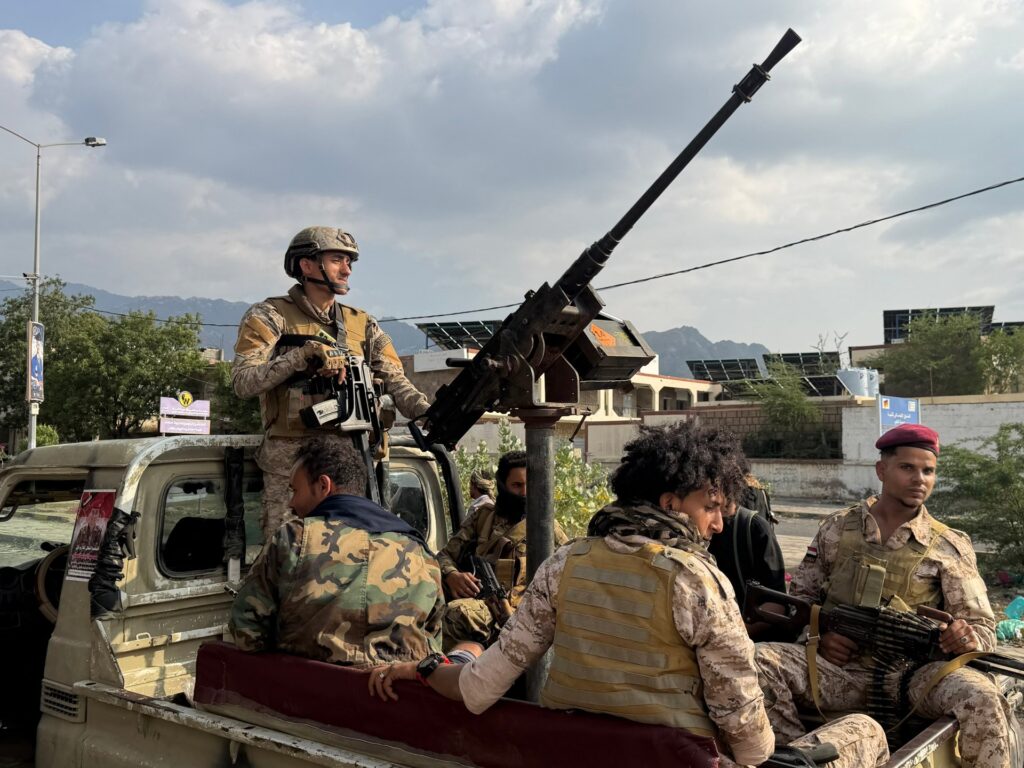
In the latest escalation in the ongoing conflict involving Iran-backed Houthi forces and the Saudi-led coalition, Saudi Arabia has successfully intercepted a ballistic missile fired by the Houthis targeting the capital city, Riyadh. According to reports from the Saudi-led coalition’s air defense systems, the missile was detected and taken down before it could cause any damage or casualties.
This incident marks a significant development amid mounting tensions in the region, where the conflict has frequently seen ballistic missile exchanges and drone attacks, underscoring the volatile security situation. The coalition’s prompt action in neutralizing the missile demonstrates its readiness and capability to defend its territory against such threats.
The Houthis, a Yemen-based militant group supported by Iran, have escalated their attacks in recent times, aiming to pressure Saudi Arabia in the broader regional power struggle. The downed missile was reportedly launched as part of a coordinated series of strikes intended to disrupt stability and challenge Saudi military dominance.
Saudi Arabia has condemned the attack, emphasizing its commitment to protecting its citizens and maintaining regional security. The country has called on the international community to take a firm stance against such hostile actions that undermine peace efforts.
Analysts suggest that this missile interception will likely intensify the ongoing conflict, potentially prompting further retaliatory moves from both sides. The situation remains fluid, with heightened risks of escalation impacting not just the immediate region but also global energy markets and international diplomatic relations.
The international community continues to urge dialogue and peaceful resolution, but recent events highlight the deep-rooted complexities and entrenched hostilities driving the Iran-Saudi rivalry through proxy groups like the Houthis.
As the situation develops, close monitoring of ensuing actions and diplomatic responses will be critical in understanding the potential trajectory of this conflict and its broader implications for Middle Eastern stability.