Kenya has officially announced its second death caused by the Ebola virus, raising concerns about the ongoing outbreak that has now spread to four countries across eastern, central, and western Africa. This development comes even as Kenyan health authorities assert that there is currently no evidence of community transmission within the country.
The victim, whose death was confirmed recently, was among the cases linked to the broader regional outbreak that has strained public health systems across multiple nations. This outbreak highlights the persistent threat that Ebola poses to the African continent despite various containment efforts.
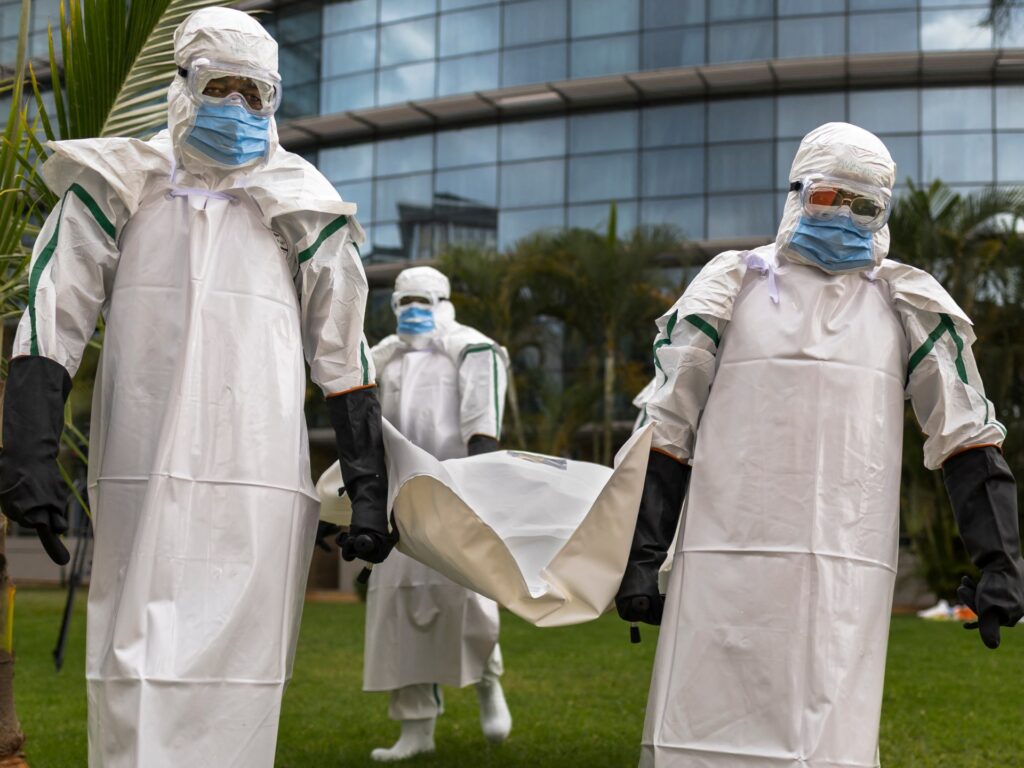
Kenyan officials have been vigilant in monitoring the situation since the first confirmed case. Rapid response teams have been deployed to trace contacts and enforce quarantine measures to prevent further spread. The health ministry has emphasized the importance of public cooperation in adhering to preventive guidelines.
Across Africa, the Ebola outbreak has impacted several countries, including those in eastern, central, and western parts of the continent. Each affected country is implementing tailored measures to contain the virus, such as travel restrictions, enhanced disease surveillance, and public awareness campaigns.
The World Health Organization (WHO) and other international health bodies continue to support Kenya and neighboring countries in their response efforts. This includes providing technical assistance, medical supplies, and mobilizing financial resources.
Community spread refers to a situation where the virus circulates widely among the population, making it difficult to trace individual infection sources. Kenyan authorities’ claim of no community spread is a crucial point, suggesting that the outbreak is still contained through known transmission chains rather than unrestricted circulation.
However, health experts caution that vigilance must be maintained as the situation can evolve rapidly. Early detection and prompt isolation remain critical to preventing a wider outbreak. Vaccination campaigns using the Ebola vaccine have been part of the containment strategies in some impacted areas.
Public health advisories urge people to avoid contact with infected individuals, practice good hygiene, and report any symptoms consistent with Ebola promptly to health facilities. Symptoms typically include fever, fatigue, muscle pain, and hemorrhaging in severe cases.
The impact of Ebola outbreaks extends beyond health consequences, affecting local economies, educational institutions, and general social stability. Efforts to combat the virus often require coordination between governments, international organizations, and community leaders.
Kenya’s announcement underscores the ongoing challenges faced by countries in managing infectious diseases that cross borders. The international community’s role in supporting these efforts remains vital.
In conclusion, while Kenya has reported a second fatality due to Ebola, the absence of evidence for community transmission offers a hopeful sign that containment measures might be effective. Continued adherence to public health measures and international cooperation are essential to controlling this outbreak and safeguarding public health across the affected regions of Africa.