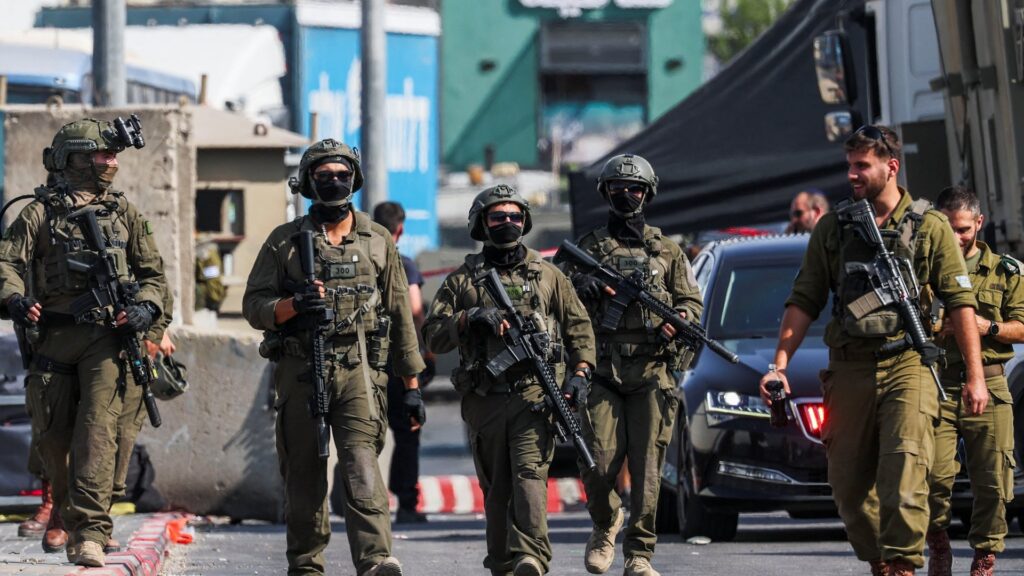
In response to a fatal shooting incident near the city of Hebron, Israel has enforced a lockdown across the occupied West Bank. The shooting resulted in the tragic death of two Israeli soldiers, escalating tensions in the already volatile region.
The Israeli military moved quickly after the attack, instituting strict restrictions on movement within the West Bank. The lockdown aims to prevent further violence and assist security forces in their search for the perpetrators of the shooting.
The incident took place in an area known for frequent clashes between Israeli forces and Palestinian residents. Hebron, a city of significant religious and political importance, has long been a flashpoint in the Israeli-Palestinian conflict.
This recent act of violence adds to a series of confrontations that have heightened concerns about stability in the region. Israeli officials condemned the shooting and vowed to take decisive action to maintain security and protect citizens.
Palestinian leaders have expressed mixed reactions, with some condemning the violence and others attributing the unrest to the ongoing occupation and military presence in the West Bank.
The international community has called for restraint from all parties and emphasized the need for dialogue and peaceful resolution. Amid the heightened security measures, humanitarian organizations have reported increased difficulties in delivering aid and medical assistance due to movement restrictions.
The Israeli government’s lockdown includes roadblocks, closures of key transit points, and limitations on the daily activities of residents across the occupied territories. Security forces continue operations to identify and apprehend those responsible for the shooting.
Local residents have expressed frustration and concern over the lockdown’s impact on daily life, including disruptions to work, education, and access to basic services. The economic consequences are expected to deepen existing hardships in the West Bank.
This development underscores the fragile security situation in the Israeli-occupied territories. The exchange has brought renewed attention to the longstanding conflict and the urgent need for efforts to address the root causes.
Authorities from both sides remain on high alert as investigations continue and security measures are maintained. The situation remains fluid, and further updates are anticipated as the search for suspects proceeds.
This tragedy in Hebron marks a somber moment in the ongoing struggle between Israelis and Palestinians, highlighting the persistent challenges of peace and security in the region. The international community watches closely as events unfold, hoping for de-escalation and renewed efforts toward a sustainable resolution.