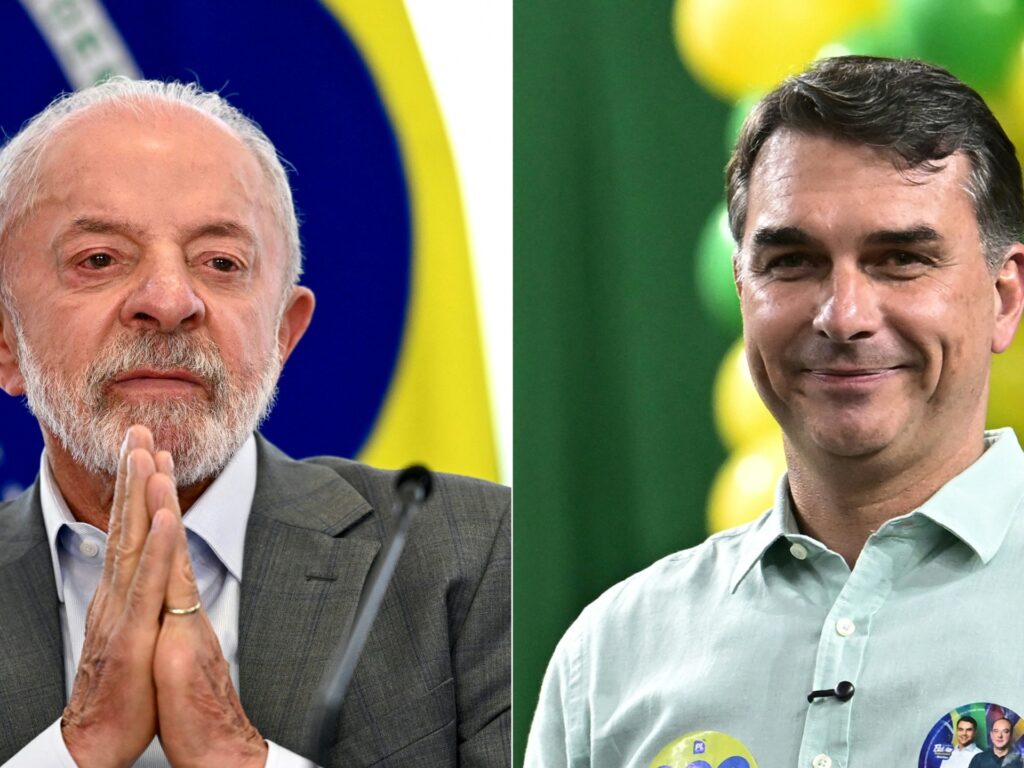
As Brazil prepares for its upcoming presidential run-off, tensions are escalating between the leftist incumbent, Luiz Inácio Lula da Silva, and his right-wing rival, Flavio Bolsonaro. Recent polls indicate that Lula is closing the gap against Bolsonaro, setting the stage for a highly contested second round of voting.
Lula, a former president and leader of the Workers’ Party, initially faced challenges due to economic issues and political polarization in the country. However, his recent campaign efforts have resonated with many voters, especially amid concerns regarding economic recovery and social policies post-pandemic.
Flavio Bolsonaro, son of former president Jair Bolsonaro, has been campaigning on a platform emphasizing law and order, conservative values, and economic liberalization. His support base remains strong, particularly among voters favoring a continuation of Bolsonaro family policies.
The race’s intensity has been heightened by Brazil’s ongoing economic difficulties, rising inflation, and social unrest. Voters are closely watching debates and campaign events as they weigh their options for Brazil’s future leadership.
Experts point out that the outcome of this election will have significant implications not only for Brazil but for Latin America as a whole. Lula’s potential return to power could herald a shift towards progressive policies, while a Bolsonaro victory might reinforce conservative governance.
Electoral authorities and international observers are also monitoring the situation carefully to ensure a fair and transparent election process amid concerns about misinformation and political violence.
As election day approaches, both candidates are ramping up their outreach efforts, aiming to secure undecided voters and strengthen their coalition support.
The second round, scheduled for October, promises to be a defining moment for Brazil’s democracy, reflecting broader global trends of ideological divides and the quest for economic stability and social justice.
With the nation deeply divided, the coming weeks will be crucial in shaping Brazil’s political landscape and its role on the international stage.