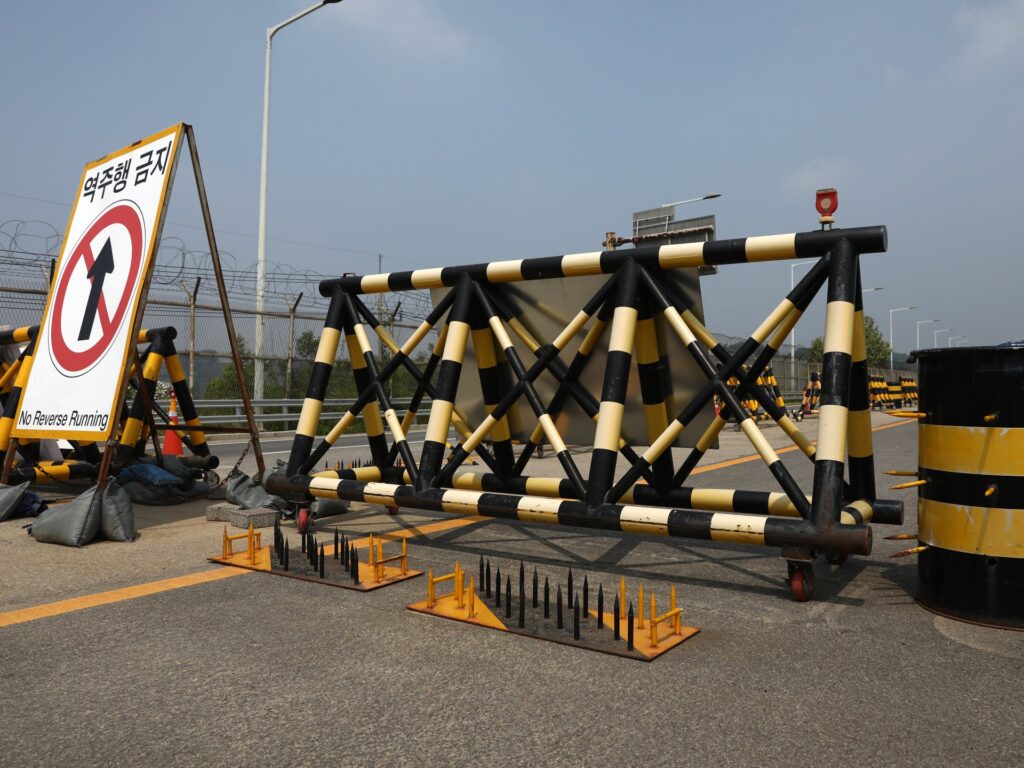
South Korea has extended an invitation to North Korea to engage in military talks aimed at easing tensions along their heavily fortified border. This diplomatic move comes amid heightened anxiety following North Korea’s recent announcement that it has relocated new military units into so-called ‘firing positions’ along the Demilitarized Zone, the heavily militarized border that separates the two nations.
The invitation for talks underscores South Korea’s commitment to reducing the risk of conflict and fostering dialogue between the two Koreas. The military talks are intended to address security concerns, prevent accidental clashes, and establish communication mechanisms to manage incidents along the border region.
The situation along the border has been increasingly volatile after Pyongyang’s declaration, which raised alarms in Seoul and among the international community. The movement of additional troops and the positioning of military assets closer to the frontier signify an escalation in North Korea’s military posture, prompting Seoul to seek engagement to avoid any misjudgments that could lead to hostilities.
South Korean officials emphasized that the talks could serve as a critical step in stabilizing the security environment and building mutual trust. The proposed discussions might cover a range of issues including troop deployments, border security protocols, and mechanisms for immediate communication to de-escalate potential crises.
Analysts believe that while the invitation is a positive diplomatic gesture, success depends on Pyongyang’s willingness to participate constructively. Previous dialogues between the two Koreas have seen fluctuating levels of engagement, with talks often influenced by broader geopolitical factors and inter-Korean relations.
The international community, including the United Nations and key regional powers such as the United States and China, have also expressed support for dialogue aimed at defusing tensions on the Korean Peninsula. Stability in the region is vital not only for the Koreas but also for global security, given the strategic importance of the area.
In response to the invitation, North Korea has yet to officially confirm its participation in the proposed military talks. Observers are closely monitoring Pyongyang’s next moves, as any decision to engage or reject dialogue will have significant implications for peace and security in the region.
South Korea’s approach reflects an ongoing strategy to promote peace through engagement rather than confrontation. By inviting military talks, Seoul hopes to create a platform for transparent communication and practical measures that can prevent inadvertent clashes and build confidence between the North and South.
This development highlights the enduring complexities of inter-Korean relations, where periods of tension frequently alternate with efforts toward reconciliation. As both nations remain technically at war since the Korean War armistice in 1953, maintaining open channels of communication is crucial to avoiding escalation.
The coming days will be critical in determining the trajectory of this diplomatic effort. If North Korea agrees to participate, it could mark a meaningful step toward reducing military tensions and improving relations. Conversely, a rejection could signal a continuation of the current impasse, with risks of further militarization along the border.
In summary, South Korea’s invitation for military talks represents a proactive attempt to address recent provocations by North Korea through peaceful dialogue. The global community remains hopeful that this initiative will lead to substantive discussions and contribute to lasting stability on the Korean Peninsula.