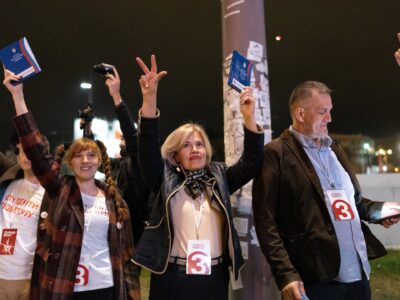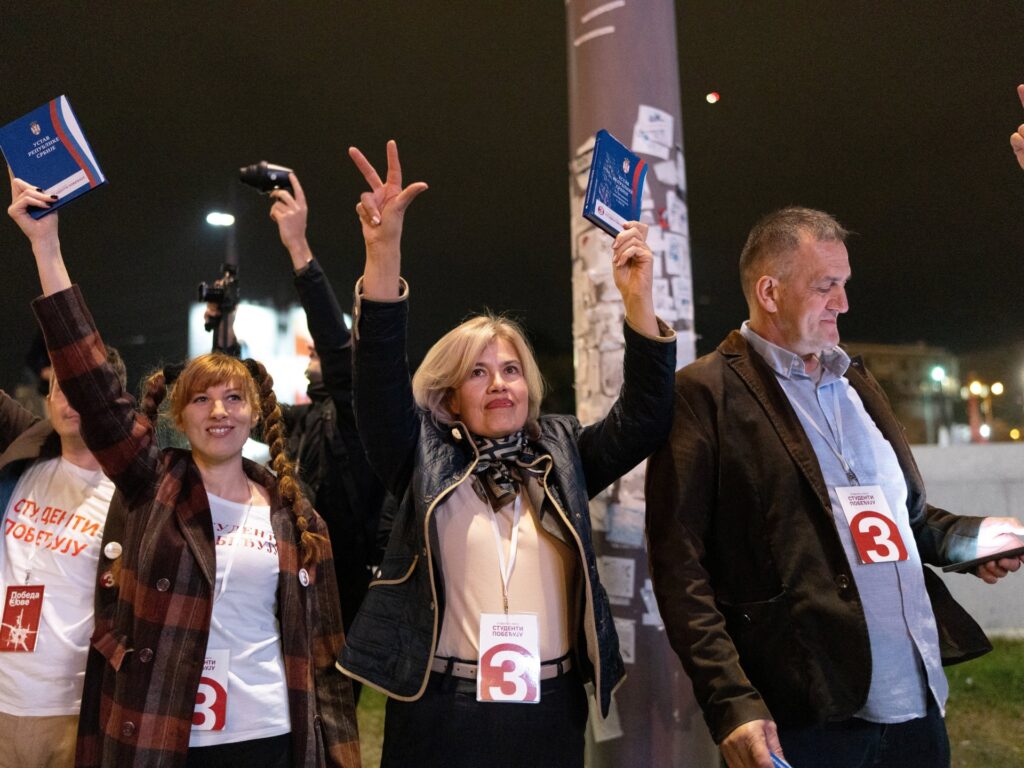
Serbia is gearing up for a snap parliamentary election scheduled for October 25, a pivotal moment that could reshape the country’s political landscape. The election arrives amid mounting tensions and growing calls for change, centering on whether a dynamic, student-led movement can effectively challenge the entrenched authority of President Aleksandar Vucic and his ruling party.
The call for early elections was triggered by escalating political unrest and demands for greater democratic freedoms. Aleksandar Vucic, in power for several years, has consolidated significant influence, often criticized for authoritarian tendencies and sidelining opposition voices. His Serbian Progressive Party (SNS) dominates the political scene, but recent developments suggest potential cracks in this stronghold.
What Sets This Election Apart?
The October 25 vote is unique because it pits a fresh wave of activism, largely energized by students and young people, against the longstanding political machinery. This opposition group seeks to galvanize citizens frustrated with perceived corruption, economic stagnation, and restrictions on media freedom.
Student-Led Movement Rising
The student-led movement has emerged from university campuses, where debates about governance, transparency, and civil rights have flourished. Their campaign emphasizes transparency, accountability, and a future focused on social justice. Given Serbia’s youthful population, their ability to mobilize voters could prove decisive.
Challenges They Face
Despite their energy and vision, the student group confronts significant obstacles. Vucic’s government boasts control over major media outlets and state resources, enabling it to shape public opinion effectively. Additionally, the opposition’s relative inexperience and fragmented nature pose hurdles.
Public Sentiment and International Eyes
Public sentiment is increasingly volatile, with many citizens expressing disillusionment with the status quo but uncertain about the alternatives. International observers are closely monitoring the election, recognizing its implications for Serbia’s democratic trajectory and stability in the Balkan region.
Potential Outcomes
A victory for the student-led opposition could usher in reforms enhancing democratic institutions and curbing authoritarian practices. Conversely, a win for Vucic would likely reinforce his existing policies and prolong his tenure.
The Stakes
This election is more than a political contest; it represents a broader struggle for Serbia’s future direction. Key issues include rule of law, media freedom, economic reforms, and Serbia’s relationship with the European Union.
Conclusion
As Serbia approaches its snap election, all eyes are on the October 25 vote to determine if the waves of youthful activism can translate into real political change or if President Aleksandar Vucic will maintain his grip on power. The outcome will undoubtedly shape the nation’s path for years to come, marking a critical chapter in Serbia’s ongoing democratic evolution.