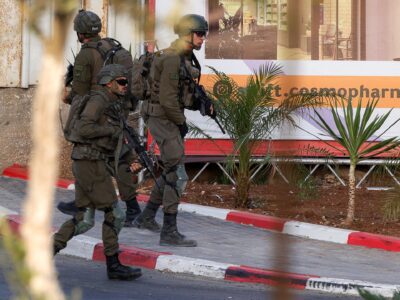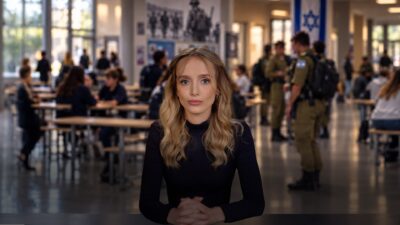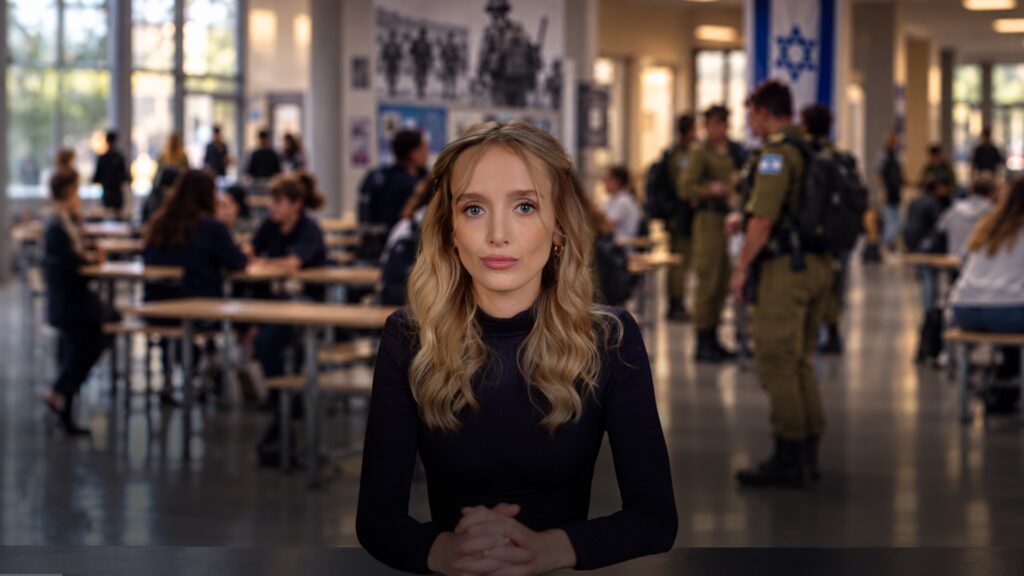
In Israel, the relationship between education and military service is uniquely intertwined, beginning well before teenagers don their uniforms. For many Israeli teenagers, military life begins in school, reflecting the country’s approach to national service as both a civic duty and a rite of passage.
From early adolescence, Israeli schools integrate military-related education into their curricula, preparing students practically and psychologically for their future roles in the Israel Defense Forces (IDF). This education covers a broad spectrum including physical fitness, understanding national security issues, civic responsibility, and sometimes basic military training.
One of the distinctive features of Israeli education is the inclusion of pre-military academies or programs embedded within schools. These programs offer students a glimpse into military discipline and skills such as first aid, basic combat training, and leadership development. The goal is to familiarize teenagers with the expectations and realities of military service to ensure a smoother transition post-graduation.
Moreover, these programs emphasize values crucial to Israeli society such as teamwork, resilience, and dedication to the country. Schools often collaborate with military personnel who provide lectures and practical sessions, bridging civilian life and military preparedness.
This approach addresses several objectives: it ensures that adolescents are not only physically ready for service but also mentally and emotionally equipped to handle the challenges of military life. It also fosters a sense of unity and collective responsibility among youth, as nearly every citizen participates in the military service regardless of their background.
Military preparation in schools reflects Israel’s geopolitical realities, where national security concerns permeate everyday life. It also highlights the cultural significance of service, viewed not only as a necessity but as an honor and foundational aspect of Israeli identity.
Challenges do exist, including the psychological pressure on young students and the complex balance schools must strike between education and militarization. However, proponents argue that the benefits, such as enhanced discipline, leadership skills, and social cohesion, outweigh these concerns.
Overall, the military plays a formative and ongoing role in the lives of Israeli students. From classroom lessons to physical training, the preparation imbued in schools helps shape responsible citizens ready to serve their nation. This educational framework, unique to Israel, demonstrates how deeply intertwined education and national defense are in shaping a country’s future generation.