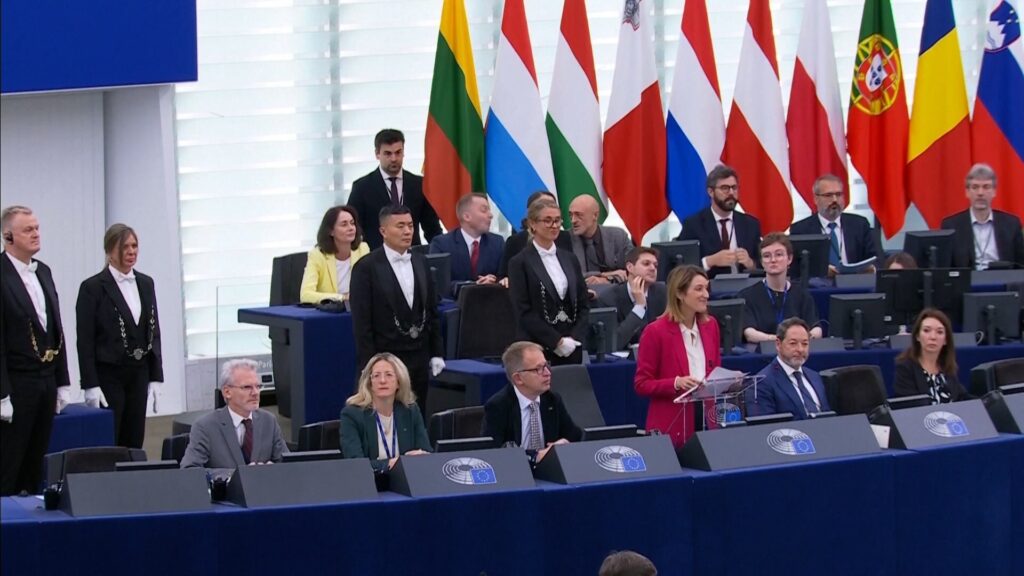
The International Criminal Court (ICC), despite being sanctioned by the United States, has been honored with the European Union’s highest human rights award. This recognition underscores the ICC’s significant role in promoting justice and accountability globally, particularly for crimes such as genocide, war crimes, and crimes against humanity. The EU’s decision to award the ICC highlights its support for international legal mechanisms that aim to uphold human rights and deliver justice beyond national jurisdictions.
The ICC, established in 2002, operates as a permanent international tribunal to investigate and prosecute individuals responsible for the most serious offenses under international law. Despite facing political challenges, including sanctions imposed by the US government, the ICC continues its mission to fight impunity for perpetrators of grave crimes.
The EU’s top human rights award serves as an affirmation of the ICC’s efforts and emphasizes the importance of its work in maintaining the rules-based international order. It also reflects the EU’s commitment to supporting institutions that contribute to global peace, security, and human rights protection.
The United States initially opposed the ICC, citing concerns over sovereignty and potential political misuse of the court. However, the EU’s awarding the ICC stresses a continued international collaboration for accountability and sets a precedent encouraging other nations to value and uphold international justice frameworks.
This award could potentially improve the relationship between the ICC and states skeptical of its mandate, encouraging broader cooperation in future investigations and prosecutions. Furthermore, it highlights the growing recognition of international legal bodies in shaping global human rights policies.
In summary, the ICC’s receipt of the EU’s top human rights award is a milestone that recognizes its critical role amidst geopolitical tensions. It sends a message of resilience and dedication to justice, reinforcing the essential nature of international courts in promoting and protecting human rights worldwide.