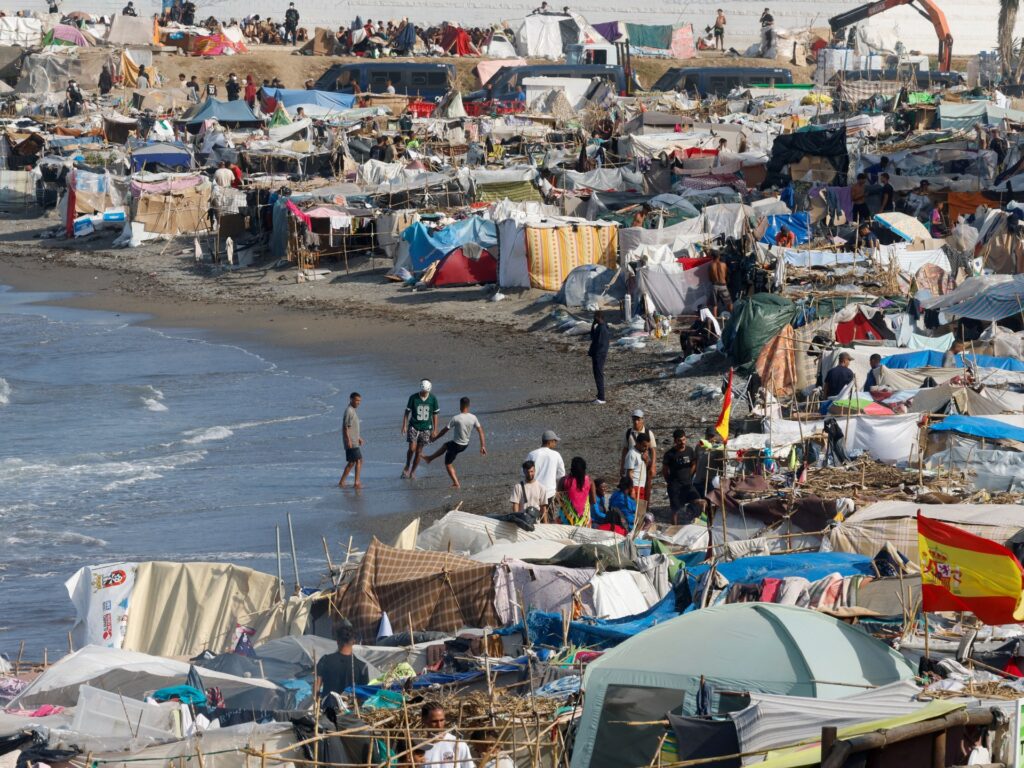
After months of escalating tensions related to border security concerns and a significant influx of irregular migration, Italy and Spain have lifted border controls that were previously imposed. The heightened controls came in response to a surge of over 70,000 people entering Ceuta, a Spanish enclave on the northern coast of Africa bordering Morocco. This unprecedented influx raised alarms within the European Union about the management and security of external borders.
Ceuta has long been a strategic entry point for migrants attempting to enter the EU from Africa. However, the recent surge far exceeded expectations and overwhelmed local authorities. The growing number of irregular crossings strained resources and prompted calls for reinforced border measures.
Spain responded by tightening border controls at Ceuta, which in turn sparked diplomatic friction with Morocco, the neighboring state through which most migrants travel to reach Ceuta. Morocco criticized the heightened controls as harsh and demanded more cooperation from the European Union and Spain to address the root causes of migration.
Italy, meanwhile, also implemented strict border controls amid concerns about the spread of irregular migration routes and displacement caused by crises in North Africa. The coordination between Italy and Spain aimed to stabilize the situation and curb the flow of irregular migrants into the Schengen Area.
The lifting of these controls signals an improvement in diplomatic relations and border management protocols between Italy, Spain, and Morocco. It reflects increased cooperation and joint efforts to tackle migration challenges while respecting human rights and international agreements.
Officials noted that the decision to lift border restrictions was based on recent declines in irregular migration flows and enhanced security measures that enable more effective management without resorting to extraordinary controls.
This development is viewed positively within the EU, which has been under pressure to balance border security with humanitarian concerns. The bloc continues to work on comprehensive migration policies that involve cooperation with transit countries and aim to improve legal pathways for migration.
The situation in Ceuta underscored the complexities of migration management in regions where geography, politics, and humanitarian needs intersect. The move by Italy and Spain to remove border controls represents a cautious step toward normalization and stability after months of tension.
Both countries reaffirmed their commitment to maintaining secure but humane borders, enhancing cooperation within the EU and with neighboring countries. They also emphasized the importance of addressing the underlying issues driving migration, including economic disparity, political instability, and social challenges in countries of origin and transit.
As the border controls are lifted, authorities remain vigilant and prepared to respond to any future migration pressures. The lessons learned from the Ceuta situation are expected to inform EU-wide strategies for managing migration and border security in the years ahead.
Overall, the lifting of border controls between Italy and Spain marks a hopeful turning point in a complex and ongoing issue, balancing security concerns with respect for human dignity and international cooperation.