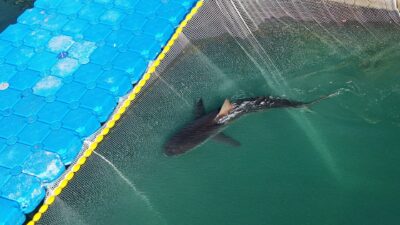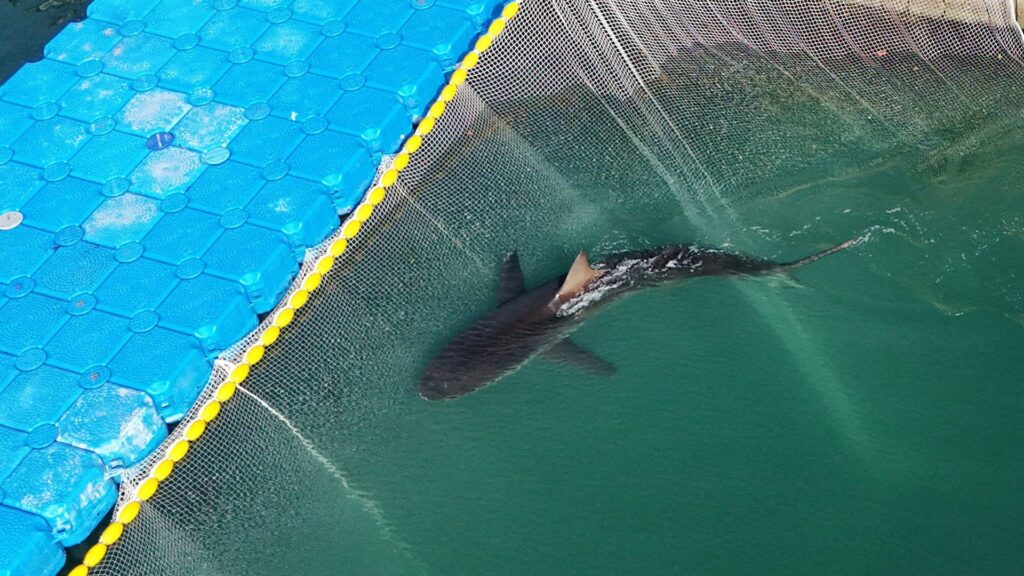
In an unexpected turn of events, an endangered shark that was escorted out of a canal in South Korea by rescuers swam back into the same canal shortly after being released. The incident has drawn significant attention to the challenges of wildlife rescue and conservation efforts in urban waterways.
The shark, a species listed as endangered, was initially found struggling in the canal, which is not its natural habitat. Concerned authorities and marine biologists quickly intervened to guide the creature safely back to the open sea, hoping to restore it to a more suitable environment.
Despite the efforts, the shark defied expectations by returning to the canal, raising questions about the reasons behind its unusual behavior. Experts speculate that the canal might offer some form of shelter, food sources, or a sense of familiarity to the shark, which influenced its decision to return.
This incident highlights the complex relationship between urban development and marine life, particularly in regions where natural habitats are increasingly encroached upon. It also emphasizes the difficulties faced in conserving endangered species, especially when involving large marine animals in human-impacted environments.
Local authorities are now reassessing their approach to such rescue operations, considering additional strategies to ensure the long-term safety and well-being of the shark. Some suggestions include monitoring the shark’s movements more closely, enhancing the canal’s environmental conditions to support natural marine life, and increasing public awareness about the importance of protecting endangered species.
Marine experts urge the public to respect wildlife and avoid interfering with rescue efforts unless coordinated by professionals. The return of the shark to the canal serves as a reminder that nature often defies human expectations and that conservation is a multifaceted challenge requiring patience and understanding.
This story has sparked discussions on social media and among environmental groups worldwide, highlighting the global significance of local wildlife conservation efforts. The hope remains that with continued cooperation and innovative solutions, endangered species like this shark can thrive despite the pressures of urbanization and habitat loss.
As this event unfolds, researchers are eager to study the shark’s behavior further, which could offer valuable insights into the adaptability and resilience of marine creatures in changing ecosystems. Ultimately, this incident serves as a call to action for stronger environmental protection measures and a deeper commitment to preserving biodiversity in all its forms.