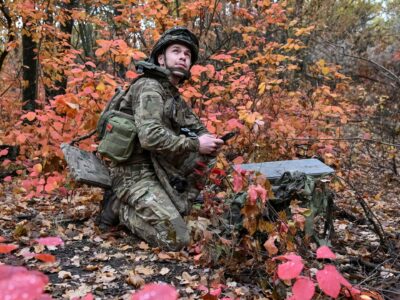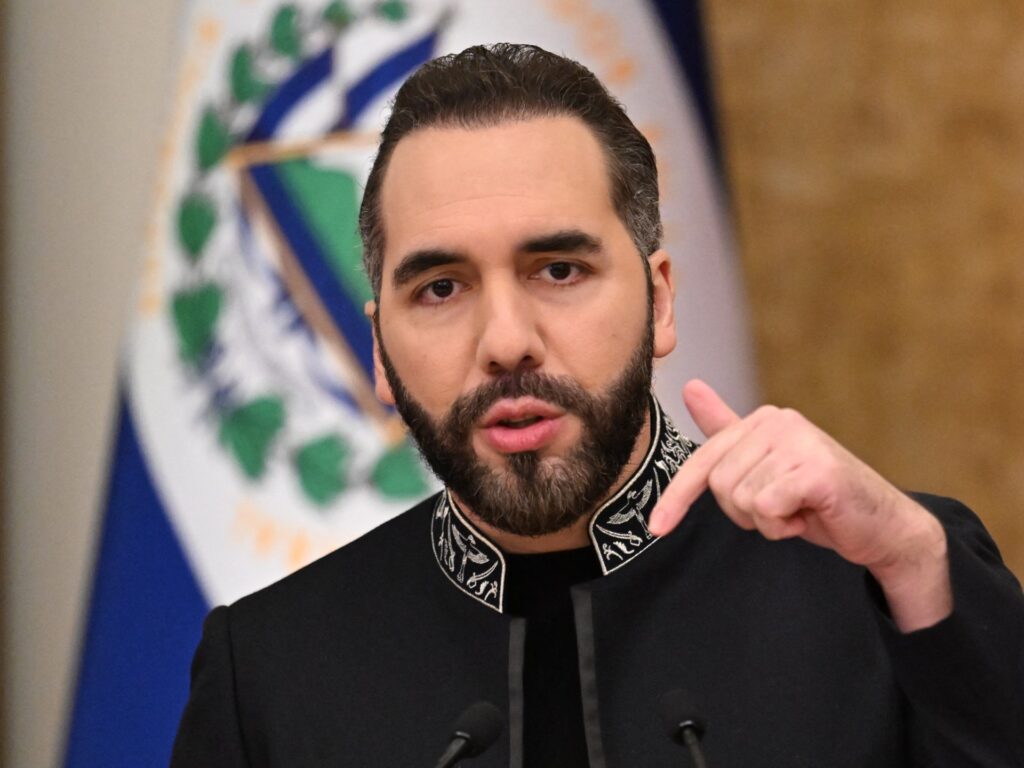
El Salvador’s President Nayib Bukele has taken a firm stance in response to the abduction of four Salvadoran soldiers in Haiti. The soldiers were reportedly kidnapped by Haitian gangs, prompting Bukele to initiate a significant military operation aimed at securing their safe return.
The incident highlights the ongoing instability and security challenges facing Haiti, where armed gangs have been increasingly bold in their activities, often targeting foreigners and foreign personnel. The abduction of the soldiers has escalated tensions between the two countries and has brought international attention to the volatile situation in Haiti.
President Bukele, known for his tough approach to security matters within El Salvador, expressed his determination to not tolerate the aggression against his country’s military personnel. He vowed to respond decisively and warned the Haitian gangs of serious consequences if the hostages were not released promptly.
This military operation entails deploying tactical units with advanced resources and intelligence capabilities, aiming to dismantle the gangs responsible and restore safety. Bukele’s message was clear: the safety and dignity of El Salvador’s soldiers are of utmost priority, and any threats will be met with resolute action.
The move by Bukele underscores the complex interplay of security in the region, where gang violence and political instability in Haiti have far-reaching implications. It also raises questions about international cooperation and the responsibilities of neighboring nations in combating cross-border crimes.
El Salvador’s military involvement in Haiti marks a bold and unprecedented step, reflecting the escalating regional security concerns. Bukele’s government is rallying national support, emphasizing the importance of solidarity and vigilance against criminal networks.
Experts suggest that this development could set a precedent for how Central American countries respond to external threats and protect their interests beyond their borders. It also signals a potential shift in regional security dynamics, with increased military interventions to counteract gang activities.
The situation remains fluid as the military operation unfolds, with international observers closely monitoring the developments. There is widespread hope that the soldiers will be recovered safely and that this action will deter future kidnappings and violence.
Ultimately, President Bukele’s decisive response demonstrates a commitment to ensuring the security of Salvadoran nationals and maintaining national pride. The incident serves as a reminder of the broader challenges that unstable regions face and the importance of collaborative efforts to address them effectively.