In a bold and controversial move, Colombian President Abelardo de la Espriella has announced a significant purge of works at the National Museum that he claims promote ‘communism.’ This action is part of a larger campaign by the far-right leader to wage what he terms a ‘counterrevolution’ against cultural institutions he perceives as fostering leftist ideologies.
President de la Espriella, who assumed office with a mandate to reshape the country’s political and cultural landscape, has targeted several artworks and exhibitions within the National Museum, accusing them of glorifying communist principles. His administration argues that such works distort historical narratives and undermine national values.
The purge involves the removal and potential destruction of several pieces deemed to be promoting communist ideals, including paintings, sculptures, and documents from various periods in Colombia’s turbulent history. Critics argue these actions constitute censorship and an attack on artistic freedom and historical memory.
De la Espriella has framed his campaign as necessary to restore patriotism and counter the influence of left-wing ideology within cultural spaces. “We will not allow the National Museum to become a vehicle for ideological propaganda,” he stated during a public address. “Our cultural heritage must reflect the truth and the values of our nation.”
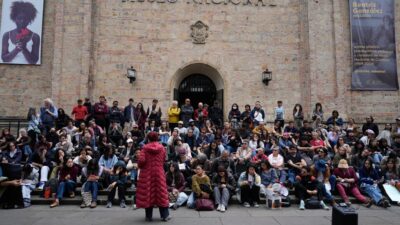
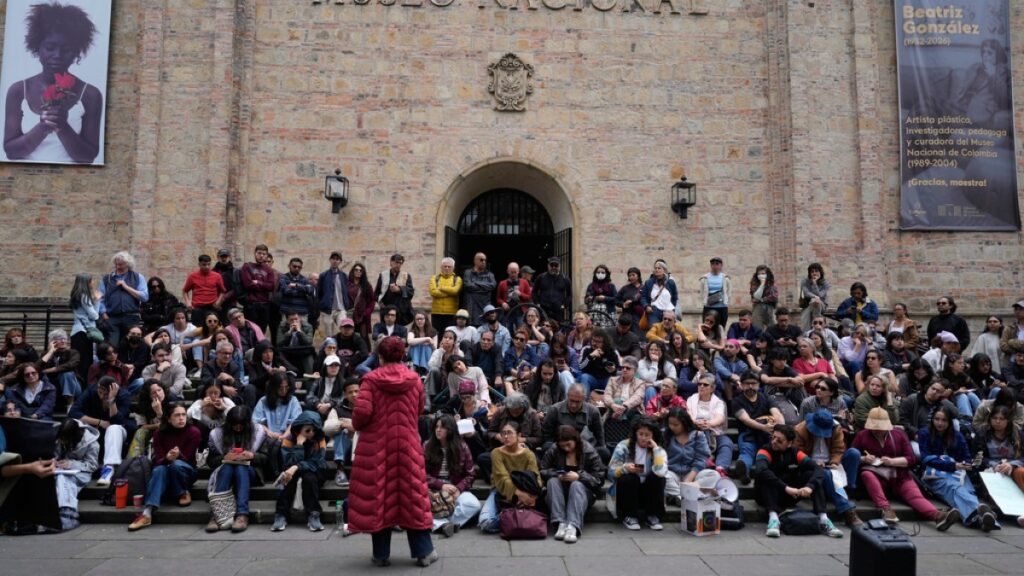
The president’s rhetoric has stirred significant controversy domestically and internationally. Human rights groups, artists, and cultural institutions have condemned the purge, warning that it risks erasing important aspects of Colombia’s social and political history. They contend that museums should serve as spaces for education, reflection, and dialogue rather than battlegrounds for ideological conflict.
Many Colombians have taken to social media to express their opposition, underscoring the importance of preserving historical artifacts, even those that challenge prevailing narratives. Some fear that such measures could lead to broader restrictions on freedom of expression and cultural diversity.
The National Museum itself, a key repository of Colombian history and culture, has traditionally showcased a wide range of perspectives, reflecting the complexities of the country’s past. The recent actions threaten to homogenize this narrative, potentially erasing the struggles and voices of marginalized groups.
Experts in cultural policy warn that politicizing museum collections can have long-lasting negative effects on a nation’s cultural heritage and its global reputation. They emphasize the need for inclusive approaches that acknowledge diverse viewpoints and encourage critical engagement with history.
President de la Espriella’s purge is emblematic of a wider trend among far-right governments seeking to assert control over cultural institutions to promote their political agendas. It raises urgent questions about the role of museums in democratic societies and the protection of cultural freedoms.
As the situation unfolds, all eyes will be on Colombia to see how the government balances its ideological goals with the imperative to preserve its rich and multifaceted cultural heritage. The international community, including UNESCO and other cultural bodies, may also play a crucial role in advocating for the protection of Colombia’s museums and artistic expression.
This dramatic shift in cultural policy highlights the ongoing tensions in Colombia’s political landscape and underscores the power struggles over history, memory, and identity that continue to define the nation.